
The success of orthodontic treatment is not limited to aligning teeth and improving the appearance of a smile; it is also linked to maintaining the health of the gums, tissues, and bones that support the teeth. With the presence of wires and brackets or clear aligners, daily oral care becomes more important because plaque buildup around the teeth may increase the chances of gum inflammation. Recent scientific reviews indicate that orthodontic treatment, especially with fixed appliances, may be accompanied by a temporary increase in plaque and gum inflammation indicators during treatment. These problems can be reduced through preventive care and regular follow-up.
In this guide, we explain the relationship between orthodontic treatment and gum health, how to detect signs of inflammation early, the appropriate way to clean your teeth with different types of braces, and when you need to visit your orthodontist or periodontist.
Why Is Gum Health Just as Important as Straight Teeth?
Patients may focus on the result they see in the mirror after completing orthodontic treatment, but teeth need healthy gums and supporting tissues to maintain their position and function. Therefore, gum health should not be treated as merely a cosmetic aspect, but as an essential part of oral health.
During orthodontic treatment, teeth gradually move as a result of calculated forces that affect the surrounding tissues. At the same time, plaque buildup and inadequate tooth cleaning can lead to gum inflammation. If gum disease progresses to deeper stages, the tissues and bones supporting the teeth may be affected.
The problem is also that a fixed orthodontic appliance introduces new surfaces and angles where food debris and plaque can accumulate, making cleaning more difficult. This does not mean that braces inevitably cause gum disease, but studies indicate that changes occur in the oral environment during treatment, particularly with fixed appliances.
Therefore, plaque control and preventive follow-up become important factors in maintaining gum health.
Achieving straight teeth does not mean the goal has been fully accomplished if the gums are experiencing persistent inflammation or significant recession.
How Does Orthodontic Treatment Affect the Gums?
Orthodontic treatment may affect the gums because of plaque buildup around the brackets and wires, which may cause redness or swelling when cleaning is inadequate. Below, we explain how orthodontic treatment affects the gums and how to maintain their health:
1- Continuous Pressure on the Teeth
When we place an orthodontic appliance, it applies a light, continuous force to your teeth to move them slowly into their correct positions. This force stimulates the bone around the tooth roots to change: part of it breaks down on the pressure side, while new bone forms on the opposite side, allowing the tooth to move. This pressure may cause mild gum inflammation, which is entirely normal at the beginning of treatment and usually subsides on its own within days or weeks.
However, what is more important is oral hygiene. If you do not follow the cleaning instructions, this mild inflammation may turn into chronic gingivitis and may eventually progress to periodontitis, meaning that the inflammation reaches the tissues supporting the tooth and the bone. This may threaten the stability of your teeth and the treatment outcome itself.
2- Difficulty Cleaning the Teeth
Orthodontic brackets and wires create small angles and spaces where food debris can become trapped and plaque can accumulate. Plaque is the sticky layer formed by bacteria. This buildup occurs especially around the edges of the brackets and between the teeth, where it is difficult to reach with a regular toothbrush.
As plaque accumulates, the gums become red and swollen, and they may enlarge and bleed during cleaning. For this reason, you will be asked to maintain strict oral hygiene by brushing after every meal and using an interdental brush or water flosser to reach narrow spaces, in addition to using a fluoride mouthwash to protect your tooth enamel from decay.
During treatment, your orthodontist will conduct regular cleaning and follow-up sessions to check your gum health and intervene early if any inflammation appears, because healthy gums are the foundation of successful orthodontic treatment.
Warning Signs to Watch For
- Bleeding Gums During Brushing: Repeated bleeding while brushing your teeth or using dental floss may be a sign of gingivitis, especially if it occurs continuously. Therefore, it should not be ignored or assumed to be caused by braces alone. The American Academy of Periodontology lists gum bleeding during brushing or cleaning between the teeth among the signs that require attention, along with redness, swelling, and persistent bad breath.
- Redness and Swelling of the Gums: Red, swollen, or sensitive gums differ from healthy gums. These changes may be associated with plaque buildup and tissue inflammation. If the swelling persists or is accompanied by pain, it is best to have your gums examined rather than simply changing your toothbrush or mouthwash.
- Persistent Bad Breath: Bad breath may be associated with the accumulation of bacteria and food debris, particularly around orthodontic appliances. If the odor persists despite cleaning your teeth and tongue and paying attention to the spaces between your teeth, you may need an assessment by a dentist.
- Gum Recession: Gum recession occurs when the gum margin moves away from its normal position. This may expose a larger part of the tooth or root and increase sensitivity. The American Academy of Periodontology considers gum recession, teeth appearing longer, and tooth mobility among the signs that require a professional assessment.
The Difference Between Gingivitis and Periodontitis
Gingivitis differs from periodontitis in the extent to which inflammation affects the tissues surrounding the teeth. It is very important to understand the difference between these two diseases because they are successive stages of the same problem. Knowing the difference helps you work with us more effectively to protect your teeth. Below, we explain the main differences between them:
Gingivitis
Gingivitis is an early form of gum disease. It is a superficial inflammation that affects only the soft gum tissues without reaching the bone or the tissues that support the tooth. Its symptoms are mild and clear: gum redness, swelling, and bleeding during cleaning or eating, and sometimes an unpleasant breath odor.
The good news is that gingivitis is a completely reversible condition. Once oral hygiene is improved and accumulated plaque and tartar are removed, the gums return to their normal health within weeks without leaving any permanent damage. Therefore, if you notice any bleeding during cleaning, do not ignore it, it is an early warning sign that you can address easily.
Periodontitis
This is the serious transition to the next stage, where the inflammation is no longer superficial but has extended beyond the gumline and reached the tissues supporting the tooth the periodontal ligament and the bone that anchors the roots. At this stage, loss of periodontal attachment begins, meaning that the gums gradually separate from the tooth and the bone surrounding the root deteriorates.
You may notice more obvious symptoms, such as gum recession and the gums pulling away from the tooth, the appearance of gaps or periodontal pockets where bacteria accumulate, noticeable tooth mobility, and sometimes pus beneath the gums.
The problem here is that the resulting damage is not completely reversible. Lost bone does not return to its original state. Therefore, the disease requires specialized treatment from a periodontist, which may include deep cleaning below the gumline and, in some cases, surgical intervention, before or during orthodontic treatment.
Practical Steps to Maintain Gum Health During Orthodontic Treatment
During orthodontic treatment, the gums require careful daily attention to prevent plaque buildup and inflammation. The following are the most important practical steps to maintain their health:
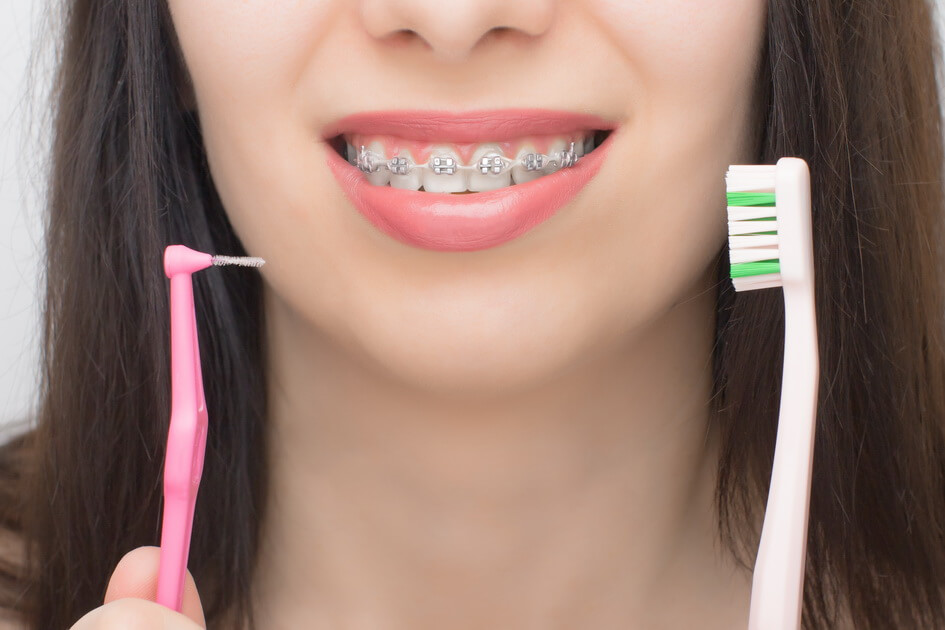
- Choosing the Right Toothbrush: Use a soft or medium-soft toothbrush with a small head so you can reach around the brackets and into narrow angles. There are also toothbrushes specifically designed for orthodontic patients, with V-shaped bristles that surround the archwire and clean above and below it at the same time. You can also use an electric toothbrush, which is very effective at removing plaque around orthodontic appliances. Just make sure to use a suitable brush head and apply light pressure to avoid damaging the wires.
- The Correct Brushing Technique: Brush your teeth after every main meal and before going to bed, at least three times a day. Position the toothbrush bristles at a 45-degree angle toward the gumline and move the brush in gentle circular motions rather than scrubbing aggressively. Start with the upper gum-facing surface of the arch, then the lower surface, and then the chewing surfaces of the teeth—each surface requires special attention. Do not neglect gently brushing the gums themselves or the surface of your tongue, as both can be sources of bacteria.
- Using Dental Floss: I know that using dental floss with wires may seem impossible, but there are solutions designed for you, such as Super Floss, which has a stiff end that helps you pass it under the wire and between the teeth easily. Alternatively, you can use fluoride dental floss with a floss threader. Set aside time for this step at least once a day. It will take longer at first, but with practice, it will become a quick and natural routine.
- Mouthwash: Use a 0.05% fluoride mouthwash daily and chlorhexidine mouthwash when needed, for example, if you notice inflammation or excessive gum bleeding, or after certain procedures at the clinic. It is important to use the mouthwash at a separate time from brushing, with an interval of approximately half an hour, and not to rinse your mouth with water afterward so that its effect remains.
Dietary Tips to Protect Your Gums During Orthodontic Treatment
Foods to Avoid
- Sticky and hard foods: chewing gum, caramel, toffee, and hard nuts. These may stick to the brackets or break the wires and cause the appliance to malfunction.
- Sticky starchy foods: white bread, chips, and mashed potatoes, because they quickly break down into sugars that feed plaque bacteria.
- Sugars, soft drinks, and sweetened juices: these feed the bacteria responsible for inflammation and tooth decay.
- Citrus fruits in large quantities or consumed frequently, such as sucking on lemons, because acids attack the enamel, which is weaker behind the brackets.
Foods That Support Oral Health
There is no single meal that keeps the gums healthy, but a balanced diet helps the body obtain the necessary nutrients. More importantly, reduce the frequency of sugar consumption and pay attention to cleaning your teeth after meals.
- Leafy vegetables such as spinach and arugula, which are rich in vitamin C and folic acid, both of which support gum tissue health.
- Firm, crunchy fruits and vegetables such as apples, carrots, and celery, which help naturally clean tooth surfaces and stimulate the gums.
- Dairy products such as milk and cheese, because they are rich in calcium and vitamin D, which are necessary for healthy bones and teeth.
- Lean proteins and fish rich in omega-3, which studies have shown can reduce gum inflammation.
- Green tea in moderation, because it contains antioxidants with antibacterial properties.
Drinking Water
Water is the best friend of your gums during orthodontic treatment. It helps remove food debris from between the brackets and wires, maintains the natural flow of saliva that protects the teeth and neutralizes acids, and prevents dry mouth, which increases the risk of inflammation and tooth decay.
You should drink water after every meal and whenever you eat, as well as when you feel your mouth becoming dry, and reduce sweetened and carbonated drinks as much as possible.
Water is a suitable choice throughout the day and helps clean the mouth better than sugary drinks. With clear aligners, the trays must be removed when eating or drinking beverages other than water, according to your orthodontist’s instructions.
Caring for Different Types of Orthodontic Appliances
Not all braces are the same. Each type of orthodontic appliance has different characteristics and requires specific care. Let me explain how to care for your gums with each of the three types you may encounter.
Traditional Metal Braces
This is the most common type. Its main characteristic is that the metal brackets and wires create narrow angles and passages where plaque and food debris accumulate. Therefore, it requires careful and detailed cleaning around every bracket and wire.
When cleaning, make sure to move the toothbrush bristles from above and below around each bracket, and do not rely on quick brushing of the chewing surfaces, because the wires conceal the areas behind them.
If you feel that the wires or brackets are irritating your cheek or gums and causing sores or localized inflammation, use orthodontic wax. Take a small piece of wax and roll it between your fingers until it softens, then press it onto the irritating wire or edge. It will form a soft barrier that protects the tissues until your mouth becomes accustomed to the appliance or until correct the cause during your next visit with the orthodontist. Do not hesitate to call if the irritation persists or becomes painful.
Clear Aligners
Clear aligners can be removed when eating and cleaning the teeth, which may make maintaining oral hygiene easier compared with fixed appliances. Recent reviews indicate that patients using clear aligners may show better gum health and plaque indicators than those using fixed braces, but the results depend on how well patients follow the instructions.
Therefore, you must clean your teeth before putting the aligners back in and clean the clear aligners according to your doctor’s instructions. You should not eat food or consume sugary drinks while wearing them. To keep them clean and transparent:
- Clean the aligner daily with lukewarm water and mild soap using a soft toothbrush dedicated exclusively to it, then rinse it thoroughly.
- Never use hot water to wash it, as heat can deform the plastic and change its shape, affecting how it fits your teeth and reducing its effectiveness in moving them.
- Avoid using regular toothpaste to clean the aligner, because toothpastes, especially whitening toothpastes, may scratch its surface and make it cloudy.
- Most importantly, always brush and floss your teeth before putting the aligner back in. Placing it over unclean teeth means trapping plaque, bacteria, and acids inside the aligner, creating an ideal environment for gum inflammation and tooth decay. Do not forget to clean the aligner itself, as plaque on the aligner comes into direct contact with your gums.
Fixed Lingual Braces
Lingual braces are placed behind the teeth, making some parts more difficult to reach. Patients need practical training on how to use a toothbrush and the appropriate cleaning tools for this type of braces.
This type involves attaching brackets to the inner surfaces of the teeth, the sides that touch the tongue. It is less noticeable to others, but the trade-off is that it is the most difficult type to clean because it is behind the teeth, where a regular toothbrush cannot easily reach. Its position makes removing plaque from around the brackets a real challenge.
For this reason, it requires more specialized tools than other types, such as a very small angled toothbrush, an electric toothbrush with a compact head, and water-flossing devices (Water Flosser) that reach places inaccessible to traditional floss.
Given the complexity of cleaning this type of braces, regular consultations are very important. Your orthodontist will teach you the correct cleaning technique in practice at the clinic and review your progress at every visit. They may recommend additional tools depending on your condition. Be more careful than usual when monitoring your gums, because any neglect can accumulate behind the teeth without being easily noticed.
When Should You Visit Your Orthodontist? Signs That Require Intervention
Most of the orthodontic treatment period proceeds normally, but there are signs that should never be ignored. They are your body’s way of telling you that something is wrong. Let us learn about these signs together and when you should come in without waiting for your regular appointment. If clear gum symptoms appear, the most important signs include:
1. Bleeding That Continues for More Than a Week
Mild bleeding during cleaning in the first week after the appliance is fitted is normal because the gums are still adapting. However, if the bleeding continues for more than a week or is heavy every time you brush your teeth, this is not normal. It is often an indication of plaque buildup below the gumline or the beginning of gingivitis that requires intervention.
Do not stop cleaning your teeth out of fear of bleeding. Instead, book an appointment with the dentist as soon as possible. The dentist will examine your gums, clean the areas you cannot reach, and give you specific instructions before the inflammation worsens.
2. Pain in the Gums or Teeth
Mild pain or discomfort when an orthodontic appliance is fitted or after each wire adjustment is expected and temporary. You can relieve it with a mild painkiller or by chewing orthodontic wax, and it usually disappears within a few days. However, pain that deserves attention is pain that is:
- Severe and persistent, does not subside with painkillers, and prevents you from sleeping or eating.
- Concentrated in one area of the gums and accompanied by obvious redness and swelling.
- Accompanied by a painful throbbing sensation in the tooth or severe sensitivity to cold.
This type of pain may indicate severe root irritation, nerve inflammation, or an incorrect fit that has placed excessive pressure on a particular tooth. All these conditions require an urgent examination because waiting may damage the tooth or interfere with orthodontic treatment.
3. Unexpected Tooth Mobility
You may feel slight movement in your teeth during treatment, which is normal because the teeth are already moving. However, visit your orthodontist immediately if you notice:
- Rapid or sudden movement of a single tooth outside the treatment plan.
- A loose wire or bracket, or a feeling that the tooth is “floating” and no longer stable as before.
- A bracket breaking or becoming loose and starting to press against or scratch the tissues.
- A feeling that your bite has suddenly changed and become unbalanced.
These situations mean that one of the appliance components is no longer functioning as designed and that the teeth may move in the wrong direction if we delay treatment. We may need to repair the appliance or adjust the treatment plan before the damage accumulates. Until your appointment, avoid putting pressure on the area and never try to fix it yourself.
4. Changes in Gum Color or the Appearance of Sores
Check your gums in the mirror from time to time. Healthy gums are firm and light pink. Visit the orthodontic clinic if you notice:
- Dark redness, bluish discoloration, or paleness in a particular part of the gums.
- White or yellow sores that do not heal within one to two weeks.
- Persistent localized swelling or the appearance of a lump or bump on the gums.
- Recurrent sores in the same place due to friction from the appliance.
A change in color may indicate advanced inflammation or reduced blood supply to the tissues. Sores that do not heal may result from continuous friction or, in rare cases, indicate an issue that requires investigation. Any change that persists for more than two weeks should be examined, as early detection is always easier to treat.
Can Gum Problems Be Treated During Orthodontic Treatment Without Stopping It?
In many cases, gum problems can be managed while the orthodontic treatment plan continues. However, the decision depends on the cause of the problem, the severity of the inflammation, and the condition of the supporting tissues.
The orthodontist may only need to improve oral care and perform professional cleaning in mild cases, while periodontal diseases require specialized assessment and treatment. In some advanced cases, it may be necessary to temporarily modify the orthodontic treatment plan to protect the supporting tissues.
Therefore, patients should not stop wearing their braces or change their instructions for use on their own. The orthodontist or periodontist must determine the appropriate next step.
How Does Gum Inflammation Affect the Final Orthodontic Results?
Persistent inflammation does not automatically mean that orthodontic treatment will fail, but it is a problem that must be controlled. Advanced periodontitis may lead to the loss of tissues and bone supporting the teeth, which is entirely different from superficial, treatable gingivitis.
For this reason, monitoring gum health is important during orthodontic treatment and after it ends. The goal is not only to achieve straight teeth, but also to maintain healthy teeth and gums in the long term.
Why Do Patients Choose Wonders Dentistry?
Let me tell you honestly what makes our center a place our patients trust, because choosing your orthodontic center is a decision that will affect your smile for many years.
First, experience and specialization: We have a team of certified orthodontists experienced in treating both simple and complex cases, whether your child is at the beginning of their growth stage or you need clear aligners or advanced surgical orthodontic treatment. We continuously develop our knowledge to provide you with the latest technologies and the best international practices.
Second, comprehensive planning before any step: Before we place a single bracket, we conduct a thorough examination that includes X-rays, digital impressions, and a complete assessment of the health of your gums, teeth, and jaws. We do not begin orthodontic treatment on unhealthy teeth or gums, because a beautiful result starts with the right foundation. This is our philosophy, and we do not compromise on it.
Third, continuous follow-up and care: We are not a center that leaves you on your own after fitting the appliance. We accompany you at every visit with a careful gum examination, professional cleaning when needed, and personalized guidance tailored specifically to your condition. Your gum health throughout treatment is our priority because we know that the success of orthodontic treatment is measured not only by straight teeth, but also by the health of the tissues surrounding them.
Fourth, complete transparency: We explain your treatment plan step by step, clearly outline the cost, and honestly discuss the expected duration without exaggerated promises. If you encounter any problem between appointments, our team is ready to receive you as soon as possible.
Finally, results that speak for themselves: The hundreds of smiles that have left our center and the patients who return with their families and friends are our true testimony.
Conclusion: Healthy Gums Mean Better Orthodontic Results
Straight teeth are an important part of orthodontic treatment goals, but they are not the only goal. Maintaining gum health helps protect the tissues supporting the teeth during treatment and after it ends. Therefore, you should pay attention to brushing, cleaning between the teeth, reducing sugar intake, and attending follow-up appointments.
If you are considering orthodontic treatment, or already wear an appliance and have noticed signs such as bleeding, swelling, or gum recession, an early examination helps identify the cause and address it before it progresses. Your orthodontist, in collaboration with a periodontist, can determine the most appropriate way to maintain your oral health and continue treatment safely.
FAQs
How Can I Prevent Gum Inflammation During Orthodontic Treatment?
Brush your teeth twice daily with fluoride toothpaste, clean between your teeth every day, pay attention to the areas around the brackets and wires, and attend your follow-up appointments.
What Is the Best Way to Clean Teeth with Clear Aligners?
Remove the aligners when eating, clean your teeth thoroughly before putting them back in, and clean the aligners according to your doctor’s instructions. Clear aligners can be removed for cleaning, but benefiting from this feature depends on the patient’s compliance.
Is Gum Bleeding During Orthodontic Treatment Normal?
Repeated bleeding is not a symptom that should be ignored. It may be a sign of gingivitis, especially if accompanied by redness, swelling, or persistent bad breath.
Can Gum Problems Be Treated During Orthodontic Treatment Without Stopping It?
Yes, many gum problems can be treated during orthodontic treatment, but the plan depends on the severity of the condition. The doctor will also determine whether orthodontic treatment can continue alongside gum treatment or requires a temporary adjustment.
How Often Should I Visit the Dentist for a Gum Examination During Orthodontic Treatment?
The doctor determines follow-up appointments according to the type of appliance, the condition of the teeth and gums, and the treatment plan. Regular dental examinations should also continue throughout the orthodontic treatment period.
Does Gum Inflammation Affect the Final Orthodontic Results?
Advanced periodontal diseases can affect the tissues and bone supporting the teeth. Therefore, inflammation must be treated and gum health monitored alongside orthodontic treatment to maintain healthy teeth and preserve the treatment results.