
Maintaining oral health is crucial for preserving your overall health. The mouth is the first station in the digestive and respiratory systems, and the presence of harmful bacteria can lead to diseases throughout the body.
Allah Almighty has created us with natural body defenses that protect us from various ailments. However, to maintain good health, one must also take proper care, including good oral hygiene—such as brushing and flossing daily. Neglecting oral hygiene can expose you to various problems such as tooth decay, gum disease, dry mouth, and more.
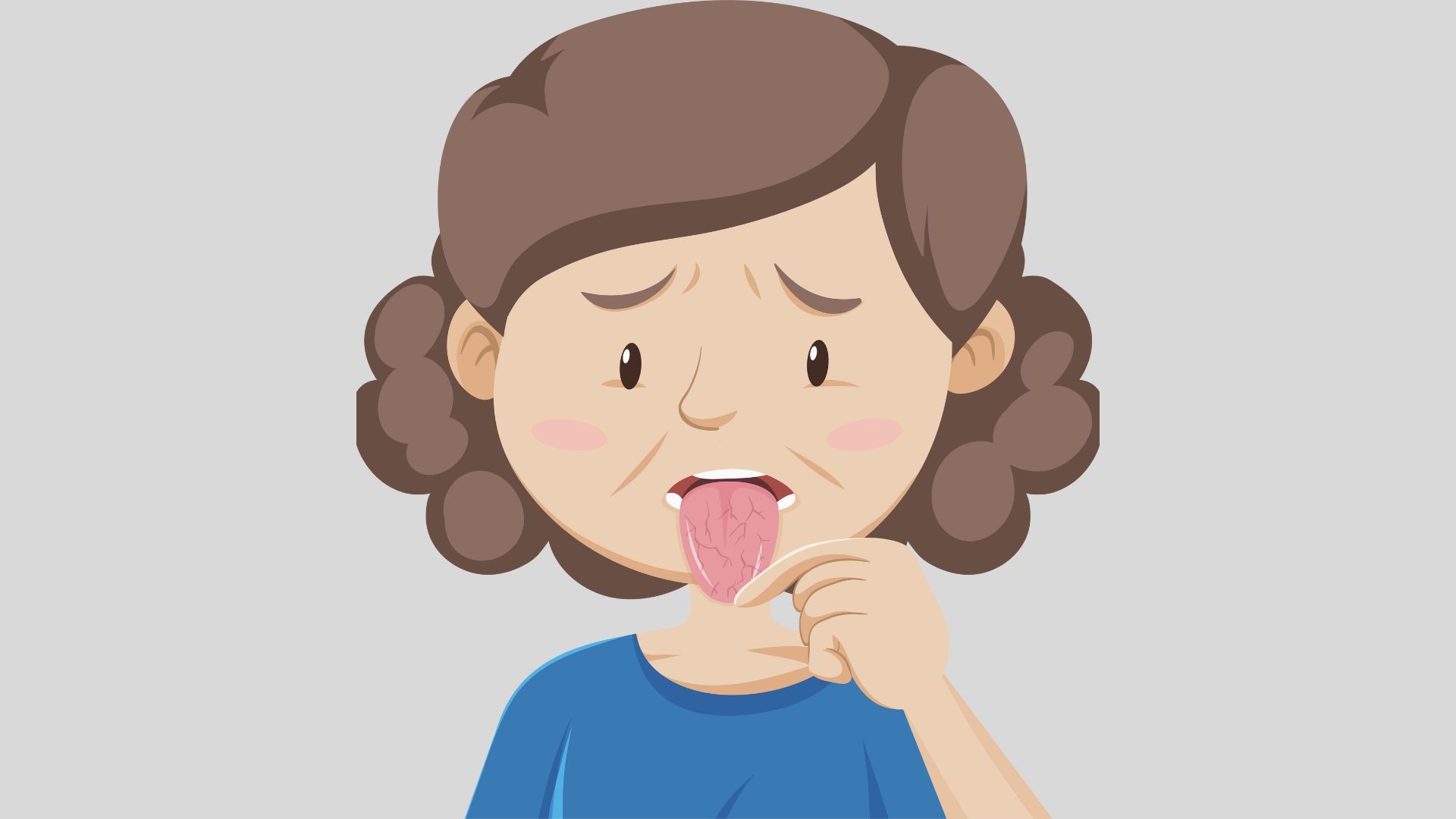
Dry mouth refers to a condition where the salivary glands in your mouth do not produce enough saliva to keep your mouth moist. It is often caused by side effects of certain medications, aging, or radiation therapy for cancer. In some cases, it can result from a condition that directly affects the salivary glands.
Saliva plays a vital role in preventing tooth decay by neutralizing acids produced by harmful bacteria in your mouth, reducing bacterial growth, and washing away food particles. Saliva also enhances your sense of taste, and makes it easier to chew and swallow food. In addition, salivary enzymes aid in digestion.
Reduced saliva flow and dry mouth can range from being a mild inconvenience to a serious issue that impacts your overall health, teeth, gums, appetite, and enjoyment of food. Therefore, visiting your doctor or dentist is very important to prevent the condition from worsening.
Dry mouth is more than just a daily discomfort—it is a warning sign that your body is not producing enough of this vital fluid that helps cleanse the mouth and protect the teeth and gums. When saliva production decreases, you’re “walking a fine line,” as this condition can eventually lead to serious oral and systemic health problems, including issues in the head and neck areas over time.
Causes of Dry Mouth
There are many possible causes of dry mouth:
1- Medications:
Hundreds of medications, including many over-the-counter drugs, cause dry mouth as a side effect. The most common culprits include medications for depression, high blood pressure, and anxiety, as well as antihistamines, decongestants, muscle relaxants, and pain relievers.
2- Cancer treatment:
Chemotherapy drugs can alter the nature and quantity of saliva—often temporarily. Radiation therapy to the head and neck can damage the salivary glands, leading to reduced saliva production. This effect may be temporary or permanent depending on the radiation dose and treated area.
3- Nerve damage:
Injury or surgery that causes nerve damage in the head or neck area can result in dry mouth.
4- Aging:
Many older adults experience dry mouth as they age.
5- Tobacco and alcohol use:
Smoking, chewing tobacco, or drinking alcohol can increase the symptoms of dry mouth.
6- Other health conditions:
Dry mouth may occur as a result of diabetes, stroke, Alzheimer’s disease, or autoimmune diseases such as Sjögren’s syndrome or HIV/AIDS, which can all contribute to dryness.
7- Mouth breathing:
Breathing through the mouth—especially during sleep—can trigger or worsen dryness.
8- General dehydration:
Overall dehydration, chronic stress, vitamin B12 deficiency, or sleep disorders can all reduce saliva production.
Symptoms of Dry Mouth
- When saliva levels drop, you may begin to feel:
- An uncomfortable stickiness in the mouth
- Persistent thirst
- Cracked lips
- Difficulty tasting or swallowing
- Bad breath
- Frequent gum infections (since saliva no longer removes bacteria and debris)
- Trouble wearing dentures
- Difficulty eating, speaking, or swallowing
- Constant sore throat
- Dryness in the nose
- Sores or pain on the lips, tongue, and inside the mouth
- Hoarseness of voice
- Increased thirst
- Altered sense of taste
- Tooth decay
Complications of Dry Mouth on Oral Health
If dry mouth is left untreated, the risk of tooth decay rises quickly because the enamel is no longer protected by saliva. It can also pave the way for fungal infections such as oral thrush, as well as mouth sores, lesions, and discomfort when wearing dental prosthetics. Additionally, speech difficulties may occur.
The Latest Treatment Methods for Dry Mouth
Fortunately, several advanced treatments are now available that align with modern technology:
- Artificial saliva substitutes with improved formulations that mimic natural saliva
- Saliva-stimulating medications such as Pilocarpine, which help stimulate secretion
- Laser therapy for the salivary glands, delivering energy to boost glandular activity
- Sugar-free chewing gum, which naturally promotes saliva flow when used carefully
- Humidifiers and oral moisturizing sprays to relieve nighttime dryness
- Acupuncture, sometimes used as a complementary method to stimulate the glands
- Stem cell therapy and electrical stimulation devices for the glands may soon revolutionize saliva restoration
- If your medication is the cause, your doctor may adjust the dosage or switch you to another drug that doesn’t cause dryness.
- Moisturizing products for the mouth may be recommended — including saliva substitutes or lubricating gels, and mouthwashes formulated specifically for dry mouth, especially those containing xylitol, can be highly effective.
If you suffer from severe dryness, your doctor or dentist may:
- Prescribe saliva-stimulating medications such as Pilocarpine (Salagen) or Cevimeline (Evoxac).
- Recommend fluoride treatments or a custom night mouthguard containing fluoride to protect against decay.
- Suggest weekly use of chlorhexidine mouthwash to help control cavities.
Nutritional Tips for Dry Mouth Patients
Drink sufficient water throughout the day—don’t wait until you feel thirsty.
Avoid sugary drinks, caffeine, and alcohol, as they worsen dryness.
Eat soft and moist foods like yogurt and fresh fruits to prevent dryness in mouth tissues.
Avoid hard or salty foods, which can irritate sensitive oral tissues.
Conclusion
Dry mouth is not just a temporary feeling—it’s a sign of an underlying issue that needs dental evaluation. If you frequently experience mouth dryness, don’t wait—schedule a visit to assess your salivary gland function and oral health.
Talk to your dentist about the latest treatment options suitable for your condition, ranging from simple home care to advanced therapeutic techniques.
Take action now to protect your mouth from painful effects such as tooth decay and gum inflammation, and begin your path to long-term balanced oral health.
FAQs
Why is dry mouth considered a dental emergency for long-term health?
Saliva is your mouth’s primary defense system; it neutralizes acids and provides the minerals (Calcium and Phosphate) needed to repair enamel. When you suffer from Xerostomia, this “remineralization” stops. Without the washing effect of saliva, bacteria multiply rapidly, leading to aggressive cavities, gum disease, and chronic bad breath. At Wonders Dental Center, we prioritize immediate intervention to save your enamel.
Can my daily medications be the cause of my dry mouth?
Absolutely. Over 400 commonly prescribed medications—including those for blood pressure, anxiety, allergies, and depression—list dry mouth as a primary side effect. This is known as Medication-Induced Hyposalivation. If you are on long-term medication, we can work with you to provide salivary stimulants or biocompatible substitutes that mimic natural saliva to protect your teeth.
Why do I wake up with an extremely dry mouth every morning?
Morning dryness is often a sign of Mouth Breathing during sleep, which can be linked to nasal congestion or Obstructive Sleep Apnea (OSA). When you breathe through your mouth, saliva evaporates, leaving your oral tissues parched and vulnerable. Addressing the underlying respiratory or sleep issue, along with using nighttime oral hydrating gels, is key to protecting your smile.
What are the best ways to manage dry mouth symptoms at home?
While drinking water helps, it doesn’t replace the complex enzymes found in saliva. We recommend using alcohol-free mouthwashes and products containing Xylitol, which stimulates salivary flow and inhibits cavity-causing bacteria. Avoid caffeine and tobacco, as they further dehydrate oral tissues. For chronic cases, we provide professional-grade fluoride treatments to reinforce your teeth against the lack of natural protection.