
The difference between preventive and therapeutic orthodontics isn’t just about appearance, but also about how oral health is addressed from the outset. Preventive orthodontics focuses on detecting problems early before they become complex, while therapeutic orthodontics begins after a problem has already appeared.
When a child is examined at an appropriate age and their teeth and jaws are monitored, many problems that would later require lengthy treatment or fixed braces can be prevented. This understanding helps families make the right decision, protecting their child from more difficult interventions in the future.
Common Misconceptions About Orthodontics
Many people believe that orthodontics is purely a cosmetic procedure, or something that can be postponed without harm. This belief is incorrect. Orthodontics is a medical treatment whose primary function is to correct the position of the teeth and jaws. When teeth are misaligned, abnormal pressure occurs during chewing, as follows:
Orthodontics is only for the elderly
This is a common misconception because orthodontics isn’t age-related, but rather depends on the condition of the teeth and jaws. Children, teenagers, and even adults can benefit from orthodontic treatment. In some cases, starting orthodontic treatment at a young age is better because it guides jaw growth correctly.
There’s no need to worry before all teeth have fallen out
This belief can cause future problems. Waiting until all teeth have fallen out can miss crucial time for early treatment. An orthodontist can examine a child as early as age 7. At this age, problems with jaw growth or space constraints can be detected. Early intervention can prevent the problem from worsening and reduce the need for tooth extractions later.
What is preventative orthodontics?
Preventive orthodontics is a smart approach that begins before obvious oral problems arise. It relies on early intervention to protect the growth of teeth and jaws and avoid longer and more complex treatments in the future. Here are more details:
Definition
Preventive orthodontics is a type of early treatment aimed at controlling the growth of teeth and jaws before significant problems occur. It is applied during childhood when bones and teeth are still developing.
This type of orthodontics focuses not only on appearance but also on guiding permanent teeth into their correct positions from the beginning. Using it at the right time reduces the need for lengthy or surgical orthodontic treatment later.
Primary Goal
The primary goal of preventive orthodontics is to maintain the correct balance between teeth and jaws during growth.
This type of orthodontics works to provide sufficient space for permanent teeth before they erupt and helps prevent crowding and misalignments that may cause difficulty chewing or speaking through early intervention. The dentist can guide the natural growth of the jaw in a healthy way.
The Right Age
It is preferable to begin preventive orthodontics at an early age, usually between six and twelve years old. During this period, the jaw is flexible and easily adjustable.
An orthodontist at this age can also correct the direction of tooth growth before it becomes lodged in the wrong position. The earlier the intervention, the faster and simpler the results.
Cases Requiring Preventive Orthodontics
Preventive orthodontics is used when there is crowding of primary teeth or when permanent teeth erupt in an abnormal position. It is also recommended when there is protrusion of the front teeth or misalignment of the jaws.
Premature loss of primary teeth is another reason for preventive intervention. Additionally, if there is difficulty chewing or pronouncing certain letters, preventive orthodontics can be a suitable solution to prevent the problem from worsening.
What is Therapeutic Orthodontics?
Therapeutic orthodontics is a treatment used when dental or jaw problems have already developed. It aims to correct crowded, misaligned, or mismatched teeth and relies on orthodontic appliances that work continuously to move teeth into their correct positions, improving chewing function and the overall appearance of the mouth.
Definition
Therapeutic orthodontics is a type of orthodontic treatment applied after most permanent teeth have erupted. It is used to treat existing problems such as crowding, gaps, or protruding teeth. It relies on fixed or removable appliances that work for a specific period to realign teeth in a correct and stable position within the mouth.
Primary Goal
The primary goal of therapeutic orthodontics is to correct the misalignment of teeth and jaws after the problem has developed. It also helps improve bite, facilitates chewing, reduces pressure on the joints, improves the appearance of the smile, and makes teeth cleaning easier, thus reducing the risk of cavities and gum disease in the future.
Suitable Age
Orthodontic treatment can be applied at any age after the eruption of permanent teeth. It is frequently used in adolescents and adults, as teeth are more stable at this age, requiring longer treatment time and carefully considered force. However, good results can be achieved even in older adults with adherence to the treatment plan.
Common Conditions Requiring Orthodontic Treatment
Orthodontic treatment is used when there is severe crowding, large gaps, or noticeable protrusion of teeth. It is also recommended for jaw misalignment, difficulty biting and chewing, and is beneficial in cases causing jaw pain or abnormal tooth wear.
Comprehensive Comparison: Preventive and Therapeutic Orthodontics
| Preventive Orthodontics | Therapeutic Orthodontics | |
| Timing | Used at an early age before the problem appears, as it precedes the development of the issue. | Begins after the problem has become clearly apparent. Treatment is provided after the issue occurs, and choosing the correct timing helps reduce treatment duration and prevents the condition from becoming more complicated over time. |
| Objective | The goal of preventive orthodontics is to prevent major problems from occurring in the future. | The goal of corrective orthodontics is to fix problems that already exist. Preventive orthodontics guides the growth of the teeth and jaws, while corrective orthodontics repositions teeth after they have moved out of their normal position within the mouth. |
| Treatment duration | Preventive orthodontic treatment usually has a shorter duration because it starts before the problem worsens. | Corrective orthodontic treatment requires a longer time because it addresses more complex cases. The later the intervention, the longer the treatment duration, as moving stabilized teeth becomes slower and requires multiple stages. |
| Complexity | It is often simpler and uses light appliances to guide growth. | It is more complex because it deals with teeth and jaws in an improper position, and may require fixed appliances and stronger forces to move the teeth, and sometimes additional procedures to achieve a stable result. |
| Long-term cost | It is usually less expensive in the long term because it prevents major problems; early intervention reduces the need for additional procedures, saving money and time and reducing stress on the patient. | It may be more costly due to the longer treatment duration and the complexity of the case. |
Signs that warrant a visit to an orthodontist
A visit to an orthodontist is essential if any misalignment of the teeth or bite is noticed. Early examination helps detect problems before they worsen. The earlier the diagnosis, the easier and shorter the treatment plan, improving outcomes and reducing the need for complex interventions later.
1- Early signs parents can observe
Parents can notice teeth tilting, crowding, or delayed shedding of baby teeth. Protruding front teeth or jaw misalignment when closing are also important indicators. These signs mean that oral development is not progressing normally, and the child should be examined by an orthodontist.
2- Difficulty chewing or biting
Difficulty chewing or biting properly due to jaw or bite misalignment, there may be a problem with jaw alignment. This difficulty can lead to jaw pain or headaches. Orthodontics helps restore balance and improve oral function.
3- Persistent mouth breathing
Mouth breathing may indicate a tight jaw or misaligned teeth. This behavior can affect facial development and oral health. Children who consistently breathe through their mouths need an orthodontic evaluation because the problem may be related to jaw or tooth positioning.
4- Abnormal gaps or significant crowding of primary teeth
Large gaps or severe crowding of primary teeth may indicate insufficient or excessive space for permanent teeth. This can lead to teeth erupting in the wrong positions. Early examination helps correct the alignment and provide sufficient space for healthy future tooth development.
When do we recommend the first orthodontic examination at Wonders Dentistry?
At Wonders Dentistry, we recommend the first orthodontic examination for children at age seven, even if the teeth appear normal at this age. The dentist can accurately assess jaw growth and the eruption direction of permanent teeth. Early examination helps detect any space or bite irregularities before they become a major problem. This procedure does not mean starting orthodontics immediately, but rather establishing a clear follow-up plan that protects the child from longer and more complex treatments in the future, ensuring perfect permanent teeth.
Wonders Dentistry Orthodontic Methodology: Long-Term Planning
At Wonders Dentistry, we adopt a long-term planning approach, not just quick fixes. We begin by examining tooth growth at age seven, as this stage clearly reveals the direction of permanent tooth eruption and jaw development. Afterward, the child is monitored periodically without any obligation to continue treatment unless the situation warrants it, such as if signs of a future problem appear.
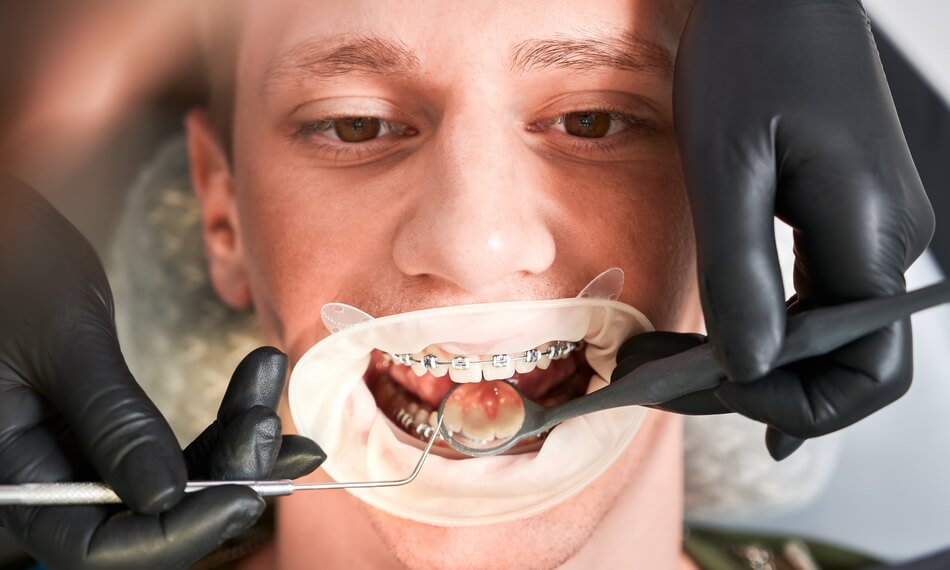
When a problem is already identified, we move to a therapeutic orthodontic program based on a 3D digital diagnosis of the jaws and teeth. This diagnosis provides an accurate picture of the current situation and helps in choosing the most suitable plan. We also offer a variety of treatment options, including metal, ceramic, and clear braces, to suit the needs of every teenager and adult in terms of appearance and comfort.
FAQs
How do I know if my child needs preventative braces or can we wait?
This is determined through an early orthodontic examination that accurately assesses jaw growth and the space of the permanent teeth.
What is the best age to start fixed braces?
The best age is after most of the permanent teeth have erupted, usually between the ages of 12 and 15.
Can preventative orthodontics eliminate the need for corrective orthodontics later?
Yes, in many cases, it reduces or prevents the need for lengthy and complex corrective orthodontics.
Can adults benefit from preventative orthodontics?
Yes, adults can benefit from early planning to prevent minor problems from worsening.
Can orthodontics improve speech problems in children?
Yes, correcting the position of teeth and jaws can help improve articulation and speech patterns.