

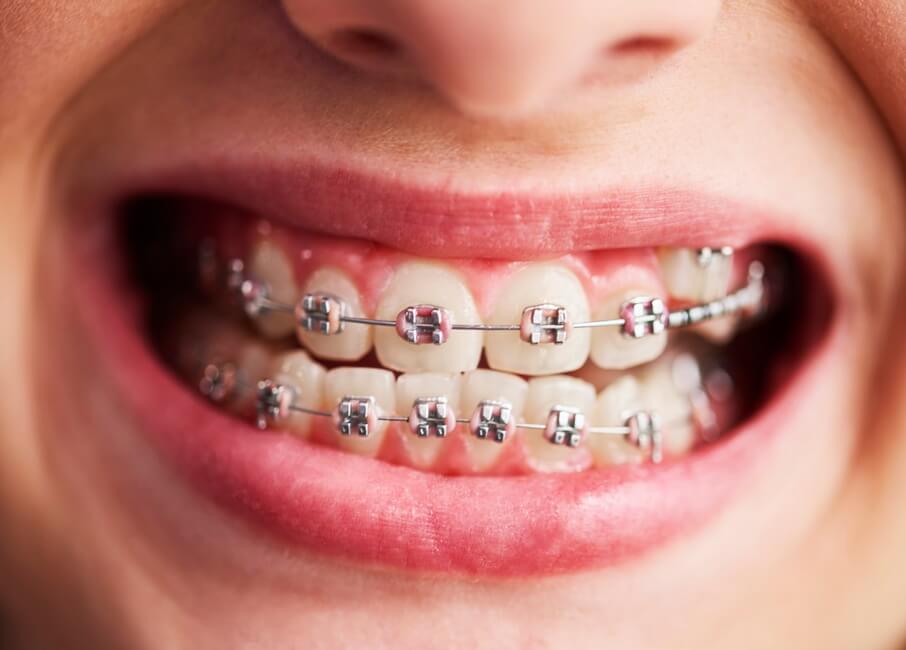
Some patients believe that the goal of orthodontic treatment is only to obtain straight teeth and an acceptable esthetic appearance. However, the medical truth is that orthodontic treatment is both a functional and esthetic therapy at the same time, and the two cannot be separated.
In many cases, patients notice a clear improvement in the appearance of the front teeth after the first six or seven months of treatment. The teeth appear aligned, harmonious, and visually pleasing. At this point, some patients assume that the treatment is complete and ask: why do we continue orthodontic treatment when the result already looks excellent?
The problem is not only the appearance of the teeth
What the patient does not see is that visual alignment of the teeth does not necessarily mean that the bite is correct. An improper bite, even if it is not visibly noticeable, may cause real long-term problems, such as:
- Difficulty or discomfort during eating and chewing
- Jaw muscle fatigue
- Temporomandibular joint disorders (TMD)
- Headaches or jaw pain with frequent use
- Abnormal tooth wear over time
More precisely, the teeth may look beautiful, but they are not functioning properly.
A simple example to clarify the idea
It is similar to buying a device that looks excellent and has an elegant design, but does not function efficiently. You may accept it visually, but in the end, you will not be satisfied with it functionally.
The same concept applies to orthodontic treatment: teeth that only look good, without correcting the bite and function, represent an incomplete result.
Why does the functional phase take longer?
In orthodontic treatment, there are two main phases:
The esthetic phase: This is the stage during which the teeth are aligned and their appearance is improved. It is usually the fastest and most noticeable phase for the patient.
The functional phase: This is the medically most important stage and includes:
- Correcting the bite between the upper and lower jaws
- Achieving balanced force distribution during chewing
- Protecting the temporomandibular joint from future stress
This phase requires more time and greater precision to ensure that the patient can eat, drink, and speak normally without any future problems.
Does this apply to all types of orthodontic treatment?
Yes. Whether the orthodontic appliance is metal or clear, the final goal remains the same:
- Teeth with a beautiful appearance
- A correct bite
- Proper jaw function
- Long-term comfort for the patient
The type of orthodontic appliance may vary, but the medical principles do not change.
Conclusion
Orthodontic treatment is not merely an esthetic improvement, but a comprehensive therapy that aims to achieve both beauty and function. You may feel satisfied with the results after a few months, but continuing the treatment is what ensures a beautiful smile, a proper bite, comfortable chewing, and prevention of future jaw problems.
Patience during orthodontic treatment is not wasted time—it is an investment in the long-term health of your mouth and jaws.