

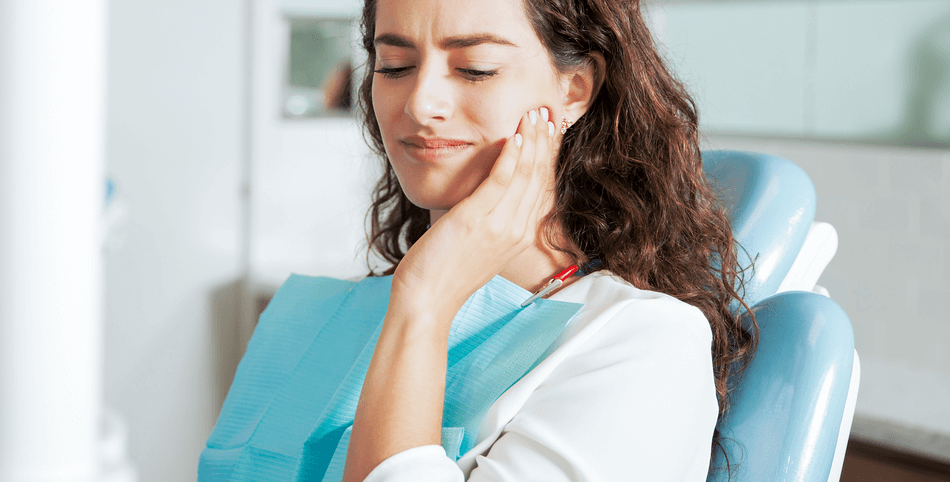
Tooth sensitivity is one of the most common dental problems that affect the quality of daily life. People who suffer from it experience sudden, sharp pain when consuming cold or hot drinks, or even when their teeth are exposed to cold air. This sensitivity occurs when the dentin layer becomes exposed due to enamel erosion or gum recession, leading to stimulation of the nerves by external triggers.
What Is Tooth Sensitivity?
Tooth sensitivity, or dentin hypersensitivity, is a condition in which a person feels sharp and sudden pain in the teeth when exposed to certain stimuli such as cold or hot drinks, or sweet or acidic foods. This occurs when the dentin layer, located beneath the enamel, becomes exposed due to enamel wear or gum recession, causing the nerves to react to external triggers.
Mechanism of Pain (Dentinal Tubule Theory)
The dentin layer contains tiny tubes known as dentinal tubules, which extend from the outer surface of the tooth to the inner nerve. When these tubules are exposed because of enamel erosion or gum recession, the nerves become more sensitive to external stimuli such as heat or cold — resulting in pain.
The Difference Between Temporary and Chronic Sensitivity
Temporary Sensitivity: Occurs after certain procedures such as teeth whitening or dental fillings, and usually subsides after a short period.
Chronic Sensitivity: Persists for a long time and requires professional dental evaluation to determine the cause and appropriate treatment.
Causes of Tooth Sensitivity
- Gum recession: Gum recession exposes the tooth roots, which are not covered by enamel, making them more prone to sensitivity.
- Enamel erosion: Enamel erosion can occur due to several factors such as acidic foods and drinks, aggressive brushing, or teeth grinding (bruxism) during sleep.
- Aggressive brushing: Using a hard-bristled toothbrush or brushing too forcefully can wear down enamel and cause gum recession, increasing sensitivity.
- Excessive teeth whitening: Overuse of whitening products can lead to enamel erosion and heightened sensitivity.
- Gastroesophageal reflux (acid reflux): Acid reflux can cause enamel erosion due to frequent exposure of the teeth to stomach acids.
- Abrasive toothpastes: Some toothpaste types contain abrasive particles that can wear down enamel and worsen sensitivity.
- Other dental issues: Tooth decay, cracked teeth, and weak fillings or crowns can leave the sensitive dentin exposed, resulting in pain. In such cases, sensitivity is often localized to one tooth or area of the mouth rather than affecting all teeth.
Latest Methods for Treating Tooth Sensitivity
1- Home Treatments:
Specialized toothpaste (contains potassium nitrate): Toothpastes containing potassium nitrate help reduce sensitivity by calming the nerves and minimizing their response to stimuli.
Fluoride-rich mouthwash: Concentrated fluoride rinses help strengthen enamel and reduce sensitivity.
Medical gels for home use: Some gels contain ingredients that help remineralize enamel and decrease sensitivity when used regularly.
2- In-Clinic Dental Treatments:
High-concentration fluoride gel: Applied in the clinic to strengthen enamel and decrease tooth sensitivity.
Gum fillings (for gum recession cases): In cases of gum recession, resin fillings can be applied to cover exposed roots and reduce sensitivity.
Laser treatment to seal dentinal tubules: Laser technology is used to seal exposed dentinal tubules effectively, providing fast and long-lasting relief.
3- Modern Techniques:
Thermoseal material (thermal barrier): Thermoseal acts as a thermal barrier, protecting the nerves and minimizing sensitivity.
Nano-hydroxyapatite (enamel repair): Nano-hydroxyapatite particles are used in certain products to repair and strengthen enamel, reducing sensitivity.
Daily Oral Care Program
- Choose a soft-bristled toothbrush: Use a soft-bristled toothbrush to minimize enamel wear.
- Proper brushing technique (45-degree angle): Brushing at a 45° angle helps remove plaque effectively without damaging gums or enamel.
- Gentle flossing: Floss gently to clean between teeth without injuring the gums.
- Avoid acidic foods: Limiting the intake of acidic foods and beverages helps protect the enamel from erosion.
Conclusion
Tooth sensitivity is one of the most bothersome dental conditions that can prevent a person from enjoying simple daily activities — like drinking a cold glass of water or eating a warm meal. However, it is not an untreatable issue. It can be managed effectively if addressed early and properly.
The most important step begins with understanding the nature of the pain and not ignoring it or relying solely on painkillers. Accurate diagnosis by a dentist is crucial, as the causes of tooth sensitivity vary from one person to another, and it may indicate deeper issues such as enamel erosion, gum recession, or early tooth decay.
Choosing the right daily care products, such as toothpaste for sensitive teeth and fluoride mouthwash, can make a significant difference in reducing symptoms. Additionally, changing daily habits — like cutting down on acidic foods and avoiding harsh brushing — is essential.
Remember: every toothache has a cause, and every cause has a solution. Don’t wait until the problem worsens — consult your dentist at Wonders Dentistry to restore your comfort and confidence in your smile.
Regain your confident smile… Start your journey today with Wonders Dentistry. Book your consultation now.
FAQs
Why do my teeth suddenly feel sharp pain with cold drinks?
This is typically caused by Dentin Hypersensitivity. When your protective enamel thins or your gums recede, thousands of microscopic channels called Dentinal Tubules are exposed. These channels lead directly to the tooth’s nerve. Cold, heat, or even air can trigger a fluid shift inside these tubes, resulting in that sharp, sudden “zing” of pain.
Can teeth whitening cause permanent sensitivity?
While whitening can cause temporary sensitivity due to the oxygenation of the enamel, it is rarely permanent. At Wonders Dental Center, we use Guided Whitening Protocols that include pre-treatment desensitizers and post-bleaching Remineralization Gels. This ensures you get a brighter smile without the lingering discomfort often associated with over-the-counter products.
How does Laser Therapy treat tooth sensitivity?
Laser treatment is a breakthrough for chronic sensitivity. We use a specialized Dental Laser to “vitrify” (seal) the exposed dentinal tubules. This process is painless, takes only a few minutes, and provides almost instantaneous relief. It is far more effective than desensitizing toothpastes, which can take weeks to show results and only offer a surface-level fix.
Is my “Healthy Diet” causing my tooth sensitivity?
It might be. Frequent consumption of acidic “superfoods” like lemon water, apple cider vinegar, or kombucha can cause Dental Erosion, stripping away the enamel. To protect your teeth, we recommend rinsing with plain water after acidic drinks and waiting at least 30 minutes before brushing to allow your saliva to naturally remineralize the surface.