
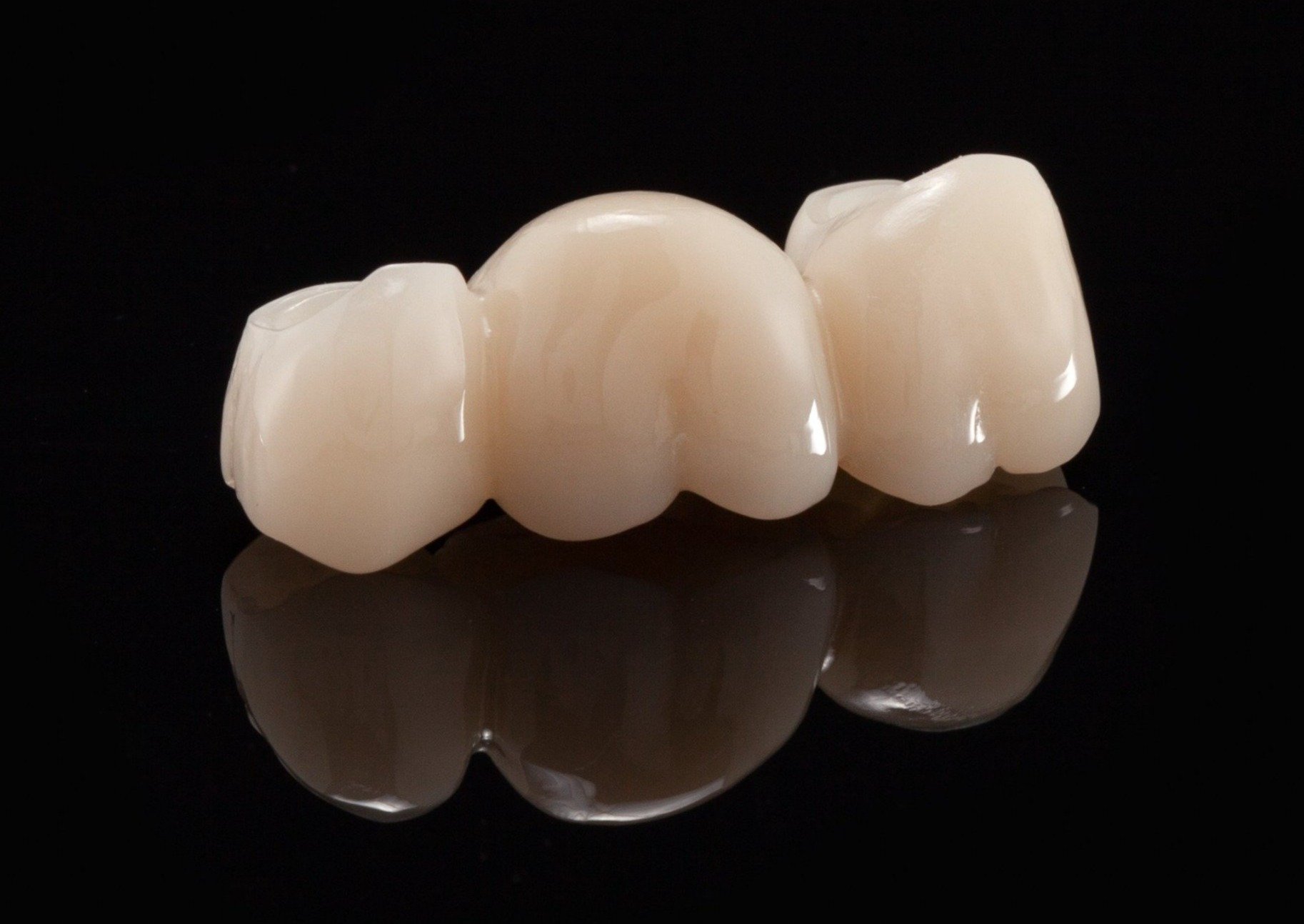
Dental restorations are among the most important medical solutions used to replace missing or damaged teeth, aiming to restore both their aesthetic appearance and functional performance. There are multiple types of dental restorations that vary based on the material used, and among these types are PMMA dental restorations.
In this article, we will talk in detail about one type of both fixed and removable dental restorations, which is PMMA, how it is used in procedures, as well as the most important advantages and disadvantages.
What are PMMA dental restorations?
PMMA dental restorations are restorations made from polymethyl methacrylate (PMMA), which is a lightweight plastic material used in the fabrication of dental restorations. This material can be used for temporary or permanent restorations depending on the patient’s condition.
This material is characterized by its ability to closely mimic the appearance of natural teeth, making it an excellent aesthetic option for many patients.
Types of PMMA dental restorations
There are several types of fixed and removable dental restorations that can be fabricated from PMMA. These types differ depending on the dental procedure and the patient’s needs:
- Fixed dental restorations: These are fabricated and permanently placed on the teeth or jaw using special adhesives or screws, providing a long-term solution for patients suffering from tooth loss.
- Removable dental restorations: These are used as temporary restorations that can be easily removed and reinserted, and are commonly used during recovery from oral surgeries or before placing permanent restorations.
Reasons for choosing PMMA dental restorations
There are several reasons why patients opt for PMMA dental restorations instead of other types:
- Comfort and aesthetics: Due to their lightweight and natural tooth-like appearance, PMMA restorations are very comfortable and aesthetically pleasing.
- Affordable cost: These restorations are less expensive compared to ceramic or zirconia restorations, making them a good option for patients seeking an effective and aesthetic solution at a reasonable cost.
- Temporary solutions: PMMA restorations are often used as temporary solutions before placing fixed dental restorations.
Benefits of PMMA dental restorations
- Time-saving: The dentist can place these restorations quickly and efficiently, as they are usually used as a temporary solution before final fixed restorations.
- Flexibility in use: PMMA restorations are a flexible solution for patients waiting for permanent procedures such as implants or bridges.
- Lightweight: Due to their light weight, they do not place pressure on the teeth or jaw, making them very comfortable.
- Aesthetic appearance: They are ideal for achieving a natural aesthetic look, as they are designed to closely resemble natural teeth.
Drawbacks of PMMA dental restorations
Despite the many benefits of PMMA restorations, they come with some drawbacks that patients should be aware of:
- Short lifespan: PMMA restorations are not as durable as zirconia or ceramic, which means they may need replacement after a short period.
- Maintenance needs: These restorations may require continuous maintenance or remanufacturing due to material wear over time.
- Limited strength: They are not as resistant to high pressure as other materials, so they may not be suitable for patients who have difficulty with hard foods.
Steps of placing PMMA dental restorations
The process of placing dental restorations using PMMA requires several precise steps to ensure optimal results:
- Taking impressions: The dentist takes accurate measurements of the mouth using molds and modern techniques to ensure a proper fit for the mouth and jaw.
- Designing the restoration: Based on the measurements taken, the PMMA dental restoration is designed according to the patient’s requirements.
- Try-in and adjustment: The restoration is tried in the mouth to ensure proper fit and comfort, and the dentist makes necessary adjustments if needed.
- Final placement: After confirming the fit, the restoration is fixed in the mouth using special adhesives or screws, depending on the type of restoration (fixed or removable).
Care tips for PMMA dental restorations
To maintain PMMA dental restorations for as long as possible, some care and cleaning tips should be followed:
- Regular cleaning: The restorations should be cleaned using a toothbrush and toothpaste specifically designed to remove plaque and bacteria buildup.
- Avoid hard foods: Patients are advised to avoid hard or tough foods that may cause fracture or damage to the restoration.
- Regular dental visits: It is essential to visit the dentist regularly to ensure the restoration remains in good condition and to make any necessary adjustments.
- Use mouthwash: It is recommended to use an antibacterial mouthwash to help maintain overall oral health and prevent gum inflammation.
In the end, PMMA dental restorations are an ideal option for many patients looking for temporary or even permanent solutions to replace missing teeth. Despite some drawbacks such as a shorter lifespan, the benefits related to aesthetics, affordability, and comfort make these restorations a popular choice.
Patients should take proper care of these restorations and visit the dentist regularly to ensure their longevity and effectiveness over the long term.
FAQs
What are PMMA dental prostheses, and what does polymethyl methacrylate mean?
PMMA dental prostheses are fixed or removable restorations fabricated from polymethyl methacrylate (PMMA), a lightweight acrylic polymer widely used in restorative dentistry. PMMA is highly valued for its ability to mimic natural tooth morphology and shade, making it an excellent choice for aesthetic temporary or definitive prostheses. Unlike brittle ceramic materials, PMMA is easily adjustable and repairable chairside or in the dental lab, offering significant flexibility during treatment.
Are PMMA dental prostheses suitable as a permanent solution, or are they only temporary?
PMMA dental prostheses are primarily used as provisional (temporary) restorations, especially in these scenarios:
- Immediate loading after tooth extraction or implant placement.
- Diagnostic wax-ups to preview the final aesthetic outcome before committing to permanent restorations.
- Healing periods between periodontal therapy or bone grafting stages.
However, in select cases, they can serve as definitive (permanent) prostheses for elderly patients or those with budget constraints, provided hard foods are avoided and regular follow-ups are maintained. Patients should understand that PMMA has a shorter lifespan than ceramic and may require remaking or repair after several years of service.
How long do PMMA dental prostheses last, and how do I care for them?
With proper care, PMMA dental prostheses typically last 3 to 5 years. To maximize their longevity:
- Strict oral hygiene: Use a soft-bristled brush and non-abrasive toothpaste to avoid scratching the acrylic surface.
- Avoid hard and sticky foods: Such as nuts, hard candy, and chewing gum, which can cause cracks or debonding.
- Antibacterial mouthwash: To reduce plaque accumulation around the prosthesis margins and prevent gingivitis.
- Biannual dental visits: For marginal integrity assessment and professional polishing to remove surface stains.
- Night guard: If you suffer from nocturnal bruxism, as PMMA is less resistant to high frictional forces.
What is the cost of PMMA dental prostheses, and are they worth the investment?
PMMA dental prostheses are among the most economical restorative solutions in dentistry, costing significantly less than zirconia or ceramic. They represent a smart investment if you are:
- Awaiting dental implant placement or permanent bridge work.
- Seeking to preview your final smile design before committing to a high-cost restoration.
- In need of immediate tooth replacement after extraction without waiting for healing.
Bottom line: PMMA gives you a beautiful smile quickly and affordably, but requires periodic maintenance. If you seek a long-term solution without dietary restrictions, upgrading to zirconia or ceramic later may be necessary.