

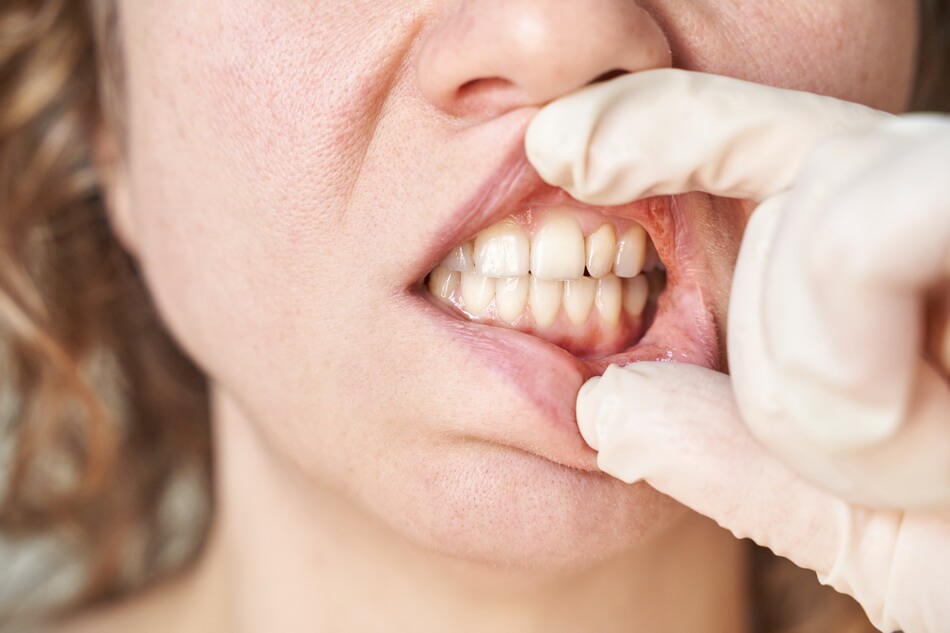
Oral health isn’t just about aesthetics or a beautiful smile; it’s an essential part of overall health. Many people don’t realize that gum and tooth inflammation starts very subtly, but can gradually develop, affecting the gums, bone, and even leading to tooth loss if neglected.
Prevention is always easier, cheaper, and less painful than treatment. Therefore, maintaining daily brushing, adhering to oral hygiene practices, and visiting the dentist regularly are all simple steps that protect you from major problems like gum inflammation, tooth decay, and plaque and tartar buildup.
A fact many overlook: Gum inflammation begins silently
Gum and tooth inflammation is one of the most common oral problems, but it’s also one of the most deceptive because its onset is completely silent, with no obvious pain or bothersome symptoms in most cases.
Initially, a person might only notice slight bleeding when brushing or mild redness of the gums, but they might not pay enough attention to it. With continued neglect of oral hygiene, bacteria begin to accumulate, and inflammation gradually increases, transforming from a simple, easily treatable problem into a more complex condition that can affect the teeth themselves and the supporting bone.
This is why gingivitis is called the silent disease, as it develops very slowly, often going unnoticed until later stages.
What is gum and tooth inflammation?
Gingivitis, or gum disease in general, is an inflammatory condition affecting the tissues surrounding the teeth due to bacteria accumulating on the tooth surface and below the gum line.
These bacteria develop due to neglecting regular brushing, leading to the formation of plaque and tartar, which irritate the gums and trigger inflammation.
What is gingivitis?
Gingivitis is the first stage of gum disease and is the most common and least serious stage if treated early.
This type of inflammation occurs when plaque accumulates on the edges of the teeth due to insufficient daily brushing or flossing.
At this stage, there is no erosion of the bone or deep tissues, meaning the condition is completely treatable if addressed promptly through improved oral hygiene and regular dental checkups.
Symptoms of Gingivitis
Symptoms of gingivitis and gum inflammation appear gradually and are often mild at first, leading many to ignore them. The most prominent symptoms include:
- noticeable redness of the gums
- slight swelling or puffiness of the tissues
- bleeding while brushing or flossing
- persistent bad breath
- gum sensitivity when eating or drinking.
These symptoms are early indicators of a problem and should not be ignored to prevent the condition from progressing to more serious stages.
What is Periodontitis?
If gingivitis is not treated in its early stages, it can progress to a more serious condition known as periodontitis.
At this stage, the inflammation is no longer confined to the gums but begins to affect the deeper tissues and bone that support the teeth.
This progression causes teeth to lose some of their stability and, over time, can lead to tooth mobility or loss if appropriate medical intervention is not sought.
Symptoms of Periodontitis
The symptoms of this stage are more pronounced and severe compared to the initial stage of gum inflammation and include:
- Gum recession and exposure of tooth roots
- Increased tooth mobility or a feeling of instability
- Persistent bleeding of the gums, even without brushing
- A strong odor of breath that does not disappear despite brushing
- Pain when chewing or applying pressure to the teeth
- In some cases, pus may appear between the gums and teeth
These symptoms indicate a serious progression of the condition that requires immediate attention from a dentist.
Causes of Gum and Tooth Inflammation
There are many causes of gum and tooth inflammation, but they are often related to daily lifestyle and poor oral hygiene habits. Some of the most important causes include:
- Neglecting to brush teeth regularly
- Not using dental floss to remove food debris
- Plaque and tartar buildup on teeth
- Smoking
- Chronic diseases such as diabetes
- Hormonal changes
- Poor nutrition
All these factors work together to weaken the gums and increase the chances of developing inflammation.
The Main Cause: Plaque and Tartar Buildup
Plaque and tartar buildup is the primary and main cause behind most cases of gum inflammation.
Plaque is a sticky film of bacteria that constantly forms on teeth. If it is not removed through daily brushing, it hardens into tartar, which adheres to the tooth surface and can only be removed by a dentist.
This buildup leads to constant gum irritation, causing inflammation, and over time, it can lead to the spread of infection within the oral tissues.
Risk factors that increase the likelihood of developing gum disease
A number of factors make some people more susceptible to gum and tooth inflammation than others, including:
- Poor oral hygiene
- Weakened immune system
- Smoking
- Chronic diseases
- Malnutrition
- Genetic factors
- Infrequent dental checkups
These factors do not cause inflammation on their own, but they increase the chances of its appearance and progression.
Smoking: A Strongest Risk Factor for Gum Disease
Smoking is one of the most dangerous factors that exacerbate gingivitis. It reduces blood flow to the gums, weakening their ability to fight bacteria. It can also mask early symptoms like bleeding, causing patients to go unaware of the problem until it reaches advanced stages. In addition, smoking weakens the body’s response to treatment and significantly slows down the healing process.
Diabetes: Reduces the Body’s Ability to Fight Infection
Diabetes is one of the conditions most directly linked to oral health, as it affects the body’s ability to fight infections. High blood sugar and saliva levels promote bacterial growth in the mouth, increasing the likelihood of developing dental and gum infections. Diabetic patients often experience impaired tissue healing, making infections more difficult to treat.
Hormonal Changes: Pregnancy and Menopause Affect Gum Sensitivity
Hormonal changes in the body, especially during pregnancy or menopause, significantly impact gum health. These changes make the gums more sensitive and susceptible to bacteria, increasing the likelihood of developing gingivitis even with good oral hygiene. Therefore, these groups need regular checkups with their dentist to avoid any complications.
Medications: Reduce saliva production, increasing plaque buildup
Some medications lead to dry mouth and reduced saliva production, which directly affects oral health. Saliva plays a vital role in naturally cleaning the mouth, and its deficiency leads to increased plaque and tartar buildup, increasing the risk of gum and tooth inflammation. Therefore, patients taking long-term medications are advised to pay extra attention to their oral hygiene.
Genetic factors
Genetic factors play a significant role in determining a person’s susceptibility to gum disease. Some people have a genetic predisposition that makes their gums more sensitive to bacteria, leading to the development of gingivitis more quickly than others, even with the same level of care.
Malnutrition
Malnutrition is a significant factor that directly affects oral health. A deficiency in vitamins and minerals, especially vitamin C and calcium, weakens gum tissue and makes it less able to resist inflammation. Furthermore, excessive sugar consumption increases bacterial growth in the mouth, leading to an increased risk of tooth and gum inflammation.
Daily Prevention Strategies: The Right Oral Care Routine
Preventing gum and tooth inflammation doesn’t just depend on treating the problem when it arises, but primarily on a daily oral hygiene routine.
Adhering to simple but correct habits can significantly prevent gum inflammation from occurring or progressing to more serious stages. The basic idea is to continuously remove bacteria before they turn into plaque and tartar, which cause inflammation. Therefore, establishing a correct daily routine is the first line of defense against any dental infections.
First: Brushing and Flossing – The Essential Weapons
Brushing and flossing are among the most essential tools in preventing gum and tooth inflammation.
Brushing alone is not enough, and neither is flossing alone, but using them together correctly achieves a thorough oral cleaning and prevents bacterial buildup.
The Right Brushing Technique
The correct brushing technique is the dividing line between a healthy mouth and one prone to tooth inflammation.
Choosing a Brush: You should choose a soft or medium-soft toothbrush, as a hard brush can damage the gums and cause them to recede over time. It is also preferable to choose a brush of an appropriate size that allows easy access to all areas inside the mouth.
The Correct Method: The correct brushing technique involves:
- Moving the brush in gentle, circular motions
- Cleaning the gum line, not just the teeth
- Carefully reaching the back teeth
- Avoid applying excessive pressure to avoid injuring the gums
This method helps remove plaque and tartar before they become a source of gingivitis.
Duration: The ideal brushing time is at least two minutes, twice a day. Brushing quickly or irregularly is insufficient to remove bacteria, increasing the likelihood of developing gingivitis and tooth decay.
Flossing Daily
Flossing is an essential step in oral hygiene that cannot be overlooked.A toothbrush cannot reach the narrow spaces between teeth, which are where food and bacteria tend to accumulate.
Flossing helps to:
- Remove food debris
- Reduces plaque and tartar
- Prevents the spread of infection between teeth
- Reduces the risk of tooth decay
It is recommended to use it at least once a day, preferably before bedtime.
Mouthwash: A Complement, Not a Replacement
Mouthwash is a supplementary tool, not a replacement for brushing and flossing. It helps to:
- Reduces bacteria in the mouth
- Freshest breath
- Reaches hard-to-clean areas
However, relying on it alone does not prevent gum and tooth inflammation, so it should be used as part of a comprehensive routine, not as a primary solution.
Second: Regular dental visits
Visiting your dentist regularly is one of the most important steps in preventing gum inflammation. Even with the best home routine, it’s impossible to completely remove all plaque and tartar. This is where the dentist‘s role comes in, providing professional cleanings and early checkups.
Third: Professional cleaning (Scaling and Root Planing)
This medical procedure helps remove tartar buildup below the gum line, which cannot be removed with a regular toothbrush. It also helps clean the roots of the teeth and reduce inflammation, contributing to the treatment and prevention of the development of gum disease.
Regular Checkups for Early Detection
Regular dental checkups help detect gum and tooth inflammation in its early stages before the condition worsens.
Early detection allows for prompt treatment and prevents complications such as gum recession or tooth loss.
Fourth: A Healthy Diet
Diet plays a significant role in oral health, as some foods can protect gums while others increase the risk of inflammation.
Foods that Fight Inflammation
There are foods that help strengthen gums and reduce tooth inflammation, including:
- Vegetables and fruits rich in vitamin C
- Dairy products rich in calcium
- Green tea, rich in antioxidants
- Fiber-rich foods
These foods support gum health and reduce the causes of oral inflammation.
Foods to Limit
Some foods increase the risk of gum and tooth inflammation, such as:
- Sugars and sweets
- Carbonated drinks
- Sticky foods that stick to teeth
These foods feed bacteria and increase plaque and tartar buildup.
Fifth: Lifestyle Habits That Protect the Gums
Daily habits have a direct impact on oral health, and some simple changes can significantly reduce the risk of gingivitis.
Quitting Smoking
Smoking is one of the most dangerous habits that cause gum disease.
Quitting improves blood flow to the gums and strengthens immunity against bacteria, which greatly reduces tooth inflammation.
Sixth: Managing Chronic Diseases
Diseases like diabetes directly affect oral health, so controlling blood sugar levels helps reduce the risk of gum and tooth inflammation. The more controlled the disease, the better the body’s ability to resist infection.
Drinking Plenty of Water
Drinking water helps to:
- Naturally cleanse the mouth
- Reduces bacterial buildup
- Improves saliva production
Saliva, in turn, protects the mouth from tooth infections and reduces plaque and tartar buildup.
The Comprehensive Prevention Program at Wonders Dentistry
The Comprehensive Prevention Program at Wonders Dentistry is based on the fundamental idea that controlling gum and tooth inflammation begins before the problem occurs, not after. This program focuses not only on treatment but also on building a comprehensive preventative system that maintains long-term oral health and significantly reduces the chances of developing gingivitis or progressing to more serious stages such as periodontitis.
The core philosophy here is that each patient is unique and therefore requires a personalized preventative plan based on a thorough assessment of their gum health, lifestyle, daily habits, and overall health factors.
1- Regular Check-up Schedule
A regular check-up schedule is one of the most important elements of the program for preventing gum disease.
Instead of only visiting the dentist when experiencing pain, a regular follow-up plan is implemented to detect any changes in the gums or teeth early.
The number of visits is usually determined based on the patient’s condition:
- Stable condition: Visit every 6 months
- Predisposed to gum and tooth inflammation: Visits every 3–4 months
- High-risk condition: More frequent visits as assessed by the dentist
These visits help to:
- Detect gingivitis in its early stages
- Remove plaque and tartar buildup
- Monitor the gums’ response to treatment or home care
- Prevent sudden inflammation
Regularity in these visits significantly reduces the need for complex treatments later on.
2- Personal Care Education
One of the program’s most important pillars is teaching patients proper oral hygiene, as daily prevention begins at home. Even with the best dental treatment, neglecting proper brushing can cause the problem to recur.
Therefore, patients are trained on:
- The correct way to brush their teeth
- Using dental floss daily
- Choosing a suitable toothbrush that does not harm the gums
- Using mouthwash correctly
- Understanding how to reduce plaque and tartar
This education empowers the patient to be an active partner in preventing gum disease and periodontitis, rather than simply a recipient of treatment.
3- Risk Factor Assessment
Within the program, a comprehensive risk factor assessment is conducted for each patient individually, as every case is unique. This assessment includes:
- Presence of chronic diseases such as diabetes
- Smoking or exposure to secondhand smoke
- A family history of gum disease
- Level of oral hygiene practice
- Diet
- Hormonal changes
Through this assessment, the dentist can determine the patient’s likelihood of developing gum disease and develop an appropriate preventative plan to significantly reduce these risks.
4- Fluoride Application
Fluoride application is an important part of modern preventative dentistry, especially in cases prone to tooth decay or cavities.
Fluoride works to:
- Strengthen enamel
- Reduces tooth sensitivity
- Prevents tooth decay
- Supports the teeth’s resistance to bacteria
It also indirectly helps reduce the chances of developing gum and tooth inflammation because it reduces the environment conducive to bacterial growth in the mouth. It is usually applied in the dental clinic in a safe and effective manner according to each patient’s needs.
5- Special Programs for Pregnant Women, Diabetics, and Cancer Patients
There are groups that require special attention within the preventative program because they are more susceptible to gum and tooth inflammation due to physical changes or weakened immunity.
Pregnant Women
During pregnancy, significant hormonal changes affect the gums, making them more sensitive and more prone to gum inflammation, even with good oral hygiene. Therefore, the following measures are taken:
- Increased regular checkups
- Providing specific advice on teeth cleaning
- Monitoring any early signs of inflammation
- Reducing plaque and tartar buildup
Diabetic Patients
Diabetic patients have a higher susceptibility to tooth inflammation due to weakened immunity and elevated sugar levels in saliva. Therefore:
- Close monitoring of gum health
- More frequent visits than usual
- Focus on early control of gum and tooth inflammation
- Provision of dietary guidance related to oral health
Cancer patients
Cancer patients, especially during chemotherapy or radiation therapy, are more prone to oral problems due to weakened immunity. Therefore:
- Continuous monitoring of oral health
- Preventing dental infections before they occur
- Reducing the chances of complications within the gums
- Using gentle and safe oral care methods
Early signs you shouldn’t ignore
In many cases of gum and tooth inflammation, the problem doesn’t begin suddenly. Instead, it progresses through several early signals sent by the body. Unfortunately, these signals are often ignored or considered normal. In reality, these signs are the first warning of gum inflammation, and if ignored, the condition gradually worsens, reaching more serious stages that may affect the stability of the teeth themselves.
Awareness of these early signs greatly helps in detecting gum inflammation in its early stages, thus allowing for easier treatment before it develops into a complex problem requiring more extensive intervention.
1. Bleeding gums
Bleeding gums are one of the clearest and most important early signs indicating a problem with oral health. When you notice bleeding while brushing your teeth or using dental floss, this is not normal, as some might think. It is often an indicator of the beginning of gum inflammation. Under normal circumstances, gums should be strong and not bleed easily.
However, when inflammation is present, the tissues become more sensitive and fragile, leading to slight bleeding even with minimal friction. If this symptom persists without treatment, the inflammation worsens and becomes more severe, potentially developing into tooth decay in advanced stages.
2. Redness and Swelling
An early sign is also a change in gum color from its natural pink to a dark red, accompanied by slight swelling or puffiness of the tissues. This change occurs due to increased blood flow to the area as a reaction to the presence of bacteria.
This redness and swelling is a clear indication of gum and tooth inflammation, and is often accompanied by gum sensitivity to touch or while eating. The problem is that many people do not notice this change initially, or ignore it because it does not cause severe pain, even though it is an important indicator of active inflammation.
3. Bad Breath
Persistent bad breath, despite diligent oral hygiene, is an important sign that should not be ignored. This odor is often not simply a result of food, but rather a consequence of bacterial buildup in the mouth and between the gums and teeth.
When gingivitis begins, bacteria produce substances that cause an unpleasant odor that persists even after using toothpaste or mouthwash. Over time, the odor becomes more pronounced and persistent, indicating increased bacterial activity and a worsening of the condition.
4. Gum Recession
Gum recession means the gum tissue pulls away from the teeth, exposing part of the tooth roots. This condition doesn’t occur suddenly but is the result of a gradual progression of gingivitis and gum disease.
When gums recede, teeth become more sensitive to hot and cold temperatures and appear longer than normal. This symptom indicates that the inflammation has begun to affect the supporting tissues, not just the gum surface, making treatment necessary at this stage.
5. Tooth Loosening
Tooth loosening or a feeling of instability is an advanced sign that the inflammation has reached the deeper tissues and supporting bone.
At this stage, the inflammation has weakened the tissues that hold the teeth in place, leading to a loss of stability. The patient may notice difficulty chewing or a change in their bite. This is considered one of the most serious signs of gum and tooth inflammation because it indicates an advanced stage requiring immediate medical intervention to prevent tooth loss.
6. Pus between the gums and teeth
The presence of pus between the gums and teeth is a clear sign of an active bacterial infection in the mouth. This pus results from the accumulation of bacteria and white blood cells in the inflamed area, indicating that the body is trying to fight the gum inflammation but is not doing so effectively.
This symptom is often accompanied by pain, strong breath odor, and noticeable swelling of the gums. Its appearance means that the condition has reached an advanced stage of tooth inflammation and cannot be treated at home alone. It requires specialized medical treatment to clean the area and stop the spread of infection.
FAQs
How can I tell if my gums are healthy or inflamed?
You can observe the health of your gums through some simple signs. Healthy gums are pink and do not bleed while brushing or flossing. If you notice frequent bleeding, redness, or swelling, these are early indicators of gum and tooth inflammation.
What is the best way to clean between your teeth?
The best way to clean between your teeth is to use dental floss daily, as it reaches places your toothbrush can’t. The floss should be gently inserted between your teeth with a light, gentle motion, without applying strong pressure to avoid damaging your gums.
Is there a link between gingivitis and heart disease?
Yes, some studies suggest a link between gingivitis and certain heart conditions. This is because chronic gum inflammation can allow bacteria to enter the bloodstream, potentially contributing to increased inflammation throughout the body.
Can gingivitis be completely cured without medical treatment?
In the early stages of gingivitis, the condition can be significantly improved by improving oral hygiene and brushing. However, in advanced cases, home treatment alone is insufficient. Medical intervention is necessary to remove plaque and tartar and properly treat the inflammation.