

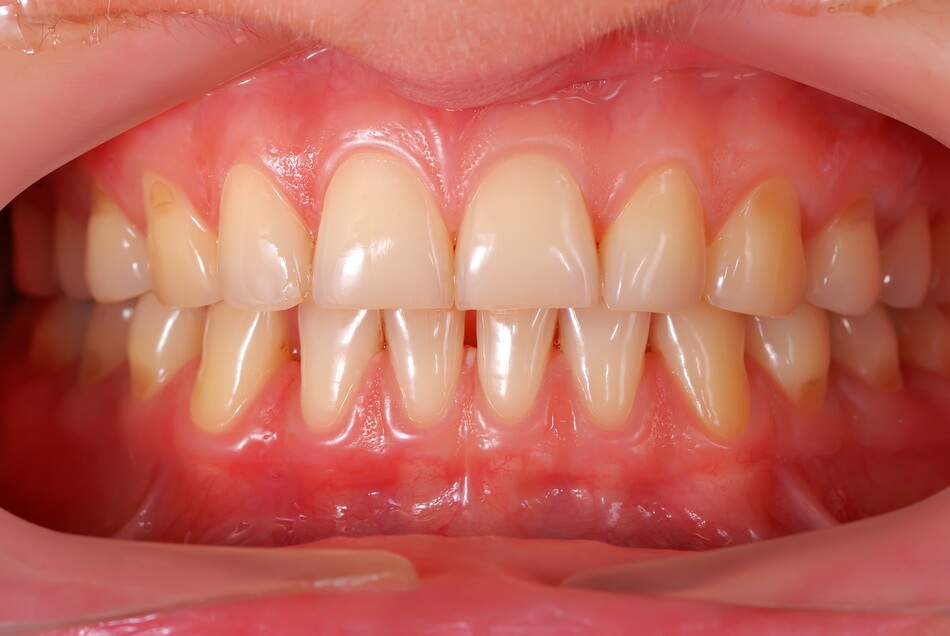
Sensitive gums are one of the most common problems that affect oral and dental health. People who suffer from gum sensitivity experience pain and discomfort while eating or even when brushing their teeth. Treating sensitive gums requires accurate diagnosis and proper treatment, and Wonders dentistry, led by Dr. Ahmed Saeed, is one of the best centers offering specialized and effective solutions for this condition.
In this article, we will cover everything you need to know about sensitive gums, including their causes, symptoms, and how to treat them.
What are sensitive gums?
Sensitive gums refer to a condition in which the gums become irritated and painful when exposed to external stimuli such as heat, cold, or pressure. In most common cases, individuals experience pain while brushing, flossing, or eating hot or cold foods. This condition may indicate an underlying issue such as gingivitis or gum recession.
Symptoms of sensitive gums
Symptoms of sensitive gums include a range of clear signs that should be noticed, such as:
- Pain: Mild to moderate pain when eating hot or cold foods and drinks.
- Swelling: Swelling in the gums usually accompanied by redness in the area.
- Gum bleeding: Light bleeding when brushing or flossing.
- Bad breath: Due to bacterial buildup in the mouth, leading to unpleasant odor.
- Gum recession: Where the gums gradually recede from the teeth, exposing roots and increasing sensitivity and pain.
- Tooth sensitivity: Enamel erosion due to gum inflammation may increase tooth sensitivity.
Causes of gum sensitivity
Many factors may contribute to developing gum sensitivity:
Gingivitis:
One of the most common causes of gum sensitivity is gingivitis. Gingivitis occurs due to plaque buildup, which is a thin layer of bacteria that accumulates on teeth and gums due to poor oral hygiene.
If plaque is not treated properly, it can irritate and inflame the gums.
Hormonal changes:
Hormonal changes such as those occurring during pregnancy, puberty, or menstruation can increase gum inflammation and sensitivity.
In these cases, gums become more prone to inflammation due to increased blood flow to gum tissues.
Improper brushing technique:
Using a hard toothbrush or brushing too aggressively can lead to gum tissue erosion and worsen sensitivity.
This harsh brushing may also cause gum recession and exposure of tooth roots.
Smoking:
Smoking is a contributing factor to gum problems, including sensitivity.
Nicotine weakens the body’s healing ability and increases the risk of gum disease.
Diet:
Acidic or sugary foods may increase gum sensitivity, as they can irritate gum tissues and worsen inflammation.
Dry mouth:
Dry mouth is a condition that reduces saliva production, leading to bacterial buildup and increased gum sensitivity.
Certain medications or medical conditions such as radiation exposure to the head and jaw can reduce saliva production, causing dry mouth and increasing sensitivity.
Complications of untreated sensitive gums
Not treating sensitive gums can lead to serious complications affecting overall oral health, including:
1. Periodontitis:
If left untreated, sensitive gums may develop into periodontitis, a serious condition affecting the bones and tissues supporting the teeth. This can eventually lead to tooth loss.
2. Gum recession:
Persistent sensitivity may cause gum recession, exposing tooth roots and making them more sensitive and painful. This may require surgical intervention.
3. Increased risk of chronic diseases:
Studies have shown that chronic gum disease is linked to increased risk of conditions such as heart disease and diabetes. Ignoring treatment may lead to more serious health problems beyond gum inflammation.
Steps for treating sensitive gums
At Wonders dentistry under the supervision of Dr. Ahmed Saeed, a comprehensive treatment plan is followed based on an accurate evaluation of the patient’s condition. Treatment steps include:
Comprehensive diagnosis and examination:
The first step is a full examination to identify the root cause of sensitivity. The doctor may request X-rays to assess bone and surrounding tissue health.
Deep teeth cleaning:
If sensitivity is caused by plaque or tartar buildup, the dental team performs deep cleaning to remove harmful deposits. Ultrasonic cleaning techniques may be used to remove tartar under the gums.
Mouthwash use:
The dentist may recommend antibacterial mouthwash to reduce bacteria causing inflammation and soothe inflamed gums.
Topical treatments:
In more severe cases, topical gels or ointments containing soothing agents may be used to reduce pain and swelling.
Surgery in advanced cases:
In cases requiring surgical intervention, gum reconstructive surgery may be performed to repair damaged tissues and restore gum health.
Tips for gum care after treatment
After treating sensitive gums at Wonders dentistry, Dr. Ahmed Saeed provides important tips to maintain gum health and prevent recurrence:
Maintain oral hygiene:
Brush teeth twice daily using a soft toothbrush and a gum-sensitive toothpaste to prevent bacterial buildup and reduce inflammation risk.
Use dental floss regularly:
Flossing helps remove plaque between teeth that may lead to gum inflammation.
Avoid acidic foods:
Avoid consuming acidic or sugary foods in large amounts to prevent gum irritation.
Quit smoking:
Stopping smoking greatly improves oral and gum health.
Regular dental visits:
Routine checkups every 6 months help detect problems early and prevent worsening. Visiting your dentist is essential for maintaining oral health, not just treating it.
Visiting Wonders dentistry
When you visit Wonders dentistry under the care of Dr. Ahmed Saeed, you can expect the highest level of care. You will find a specialized team providing professional treatment for your teeth and gums.
During your first visit, a comprehensive examination of your mouth and gums will be performed to identify possible causes of gum sensitivity and create a personalized treatment plan.
Using the latest medical technologies, appropriate treatment is delivered efficiently and professionally, focusing on providing a comfortable and effective patient experience.
Sensitive gums are not a condition to ignore, as they may lead to more serious problems if not treated promptly. It is important to consult a dentist as soon as you notice any symptoms such as pain, swelling, or bleeding.
Dr. Ahmed Saeed and his team at Wonders dentistry have the experience and skills necessary to provide optimal care, whether you need gum treatment, dental implants, or orthodontics.
FAQs
Can gum sensitivity be a sign of something other than poor oral hygiene?
Yes, although plaque buildup is the main cause, sensitive gums may also result from hormonal changes (especially during pregnancy or menopause), or vitamin deficiencies (such as vitamin C or D). At Wonders dentistry, we perform a comprehensive periodontal assessment to determine whether the sensitivity is localized or related to your overall health condition.
Why do I feel gum pain even though I brush and floss daily?
You may be experiencing what is called “traumatic brushing.” Using a hard toothbrush or applying excessive pressure can cause gum recession and expose sensitive tooth roots. We always recommend using a very soft toothbrush and gentle circular motions along the gum line to avoid mechanical injury.
Is there a permanent professional treatment for gum sensitivity?
If sensitivity is caused by early gingivitis, deep cleaning (scaling) can fully reverse the inflammation. If it is due to gum recession, we offer laser gum stimulation techniques or microsurgical tissue grafting to cover exposed areas, providing immediate and long-lasting relief.
How does diet affect gum irritation and sensitivity?
Continuous consumption of acidic drinks and sugars creates an environment that promotes harmful bacteria, leading to chronic low-grade inflammation. Switching to an alkaline diet and drinking enough water helps maintain healthy saliva flow, which naturally regulates acids that irritate sensitive gum tissues.