
When it comes to the health of your mouth, it is not only about how straight your teeth are or how bright your smile is. You cannot forget the gums!
Even if you are cavity-free from tooth decay, this does not mean you are immune to gum disease. Since it is usually painless, most people have no idea about gum problems, including gum recession (gingival recession).
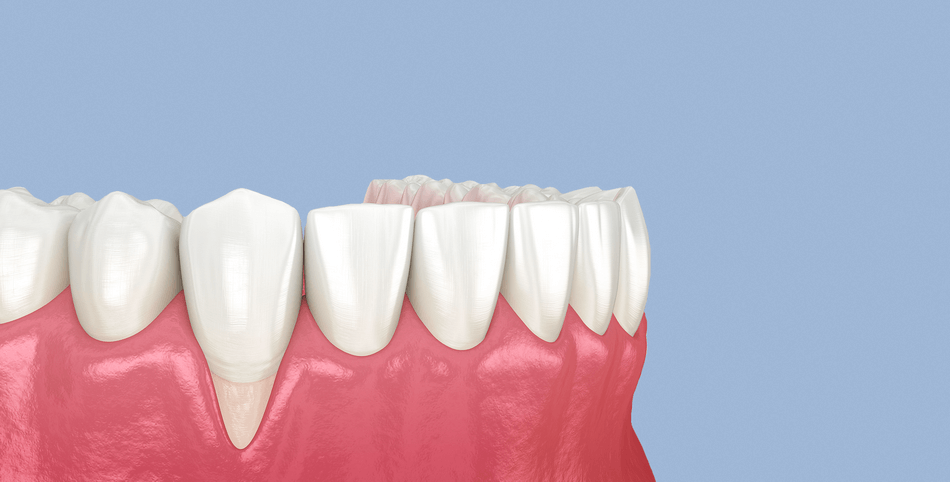
Gum recession is a gradual retreat of gum tissue that causes tooth roots to become exposed, leading to severe tooth sensitivity and exposing teeth to long-term problems. This condition is not limited to older people; even young people and children may suffer from it due to several factors such as incorrect brushing or genetic factors, and it requires early medical intervention from a dentist.
What is gum recession (gingival recession)?
Gum recession occurs when gum tissue moves away from your teeth, leading to exposure of the roots underneath. It is caused by a number of factors, including brushing too hard, presence of tartar, smoking may also contribute to gum recession, and even genetic factors can play a role in it. Gum recession cannot be reversed, but treatment can prevent it from worsening.
Causes of gum recession
Your gums may recede for several reasons. Causes include:
- Chronic gingivitis: Plaque and bacteria buildup leads to chronic inflammation that damages gums and causes gradual recession.
- Aggressive brushing: Some people use a harsh brushing technique, leading to gum wear and root exposure.
- Aging: With time, supporting gum tissues weaken and become more prone to recession.
- Genetics: Some families are genetically more prone even with perfect oral hygiene.
- Smoking: Negatively affects tiny blood vessels in the gums and reduces healing ability.
- Bruxism (teeth grinding): Strong pressure during sleep damages supporting tissues.
- Vitamin C deficiency: Affects gum tissue regeneration and increases weakness.
- Hormonal changes: Such as menstruation, pregnancy, or puberty where gum sensitivity increases, raising recession risk.
- Certain medications: Anticonvulsants or blood pressure medications may cause dryness and gum irritation.
- Abnormal tooth position (misalignment).
- Physical injury to gum tissue causing recession.
Symptoms of gum recession
The most obvious sign is exposure of the tooth root. Other warning signs include:
- Extreme tooth sensitivity, especially to hot or cold drinks.
- Exposure of tooth roots and irregular gum line.
- Bleeding gums during brushing or flossing.
- Bad breath due to food debris trapped in recession gaps.
- Visible change in gum shape, such as gum pulling away or uneven areas.
If left untreated, gum recession may lead to serious oral and jaw problems such as bone loss, tooth mobility, or even tooth loss. If you notice any symptoms, book an appointment at Wonders Dentistry immediately.
Complications of gum recession
- Increased risk of root decay because roots are not protected by enamel.
- Loss of supporting bone leading to tooth mobility.
- Cosmetic problems, especially in front teeth with exposed roots.
Treatment of gum recession
Gum recession cannot be treated at home once roots are exposed, but progression can be slowed or partially restored depending on severity. Treatment is divided into three levels: non-surgical, surgical, and home supportive care.
Treatment depends largely on the cause. Mild cases may improve with non-surgical treatment such as topical antibiotics. However, in most cases, surgery is needed to fully correct the problem.
Non-surgical treatments:
These are the first option in mild to moderate cases where there is no severe loss of gum or bone.
1. Scaling and Root Planing
Deep cleaning below the gum line removes plaque and tartar from tooth roots. Root surfaces are smoothed to reduce bacterial accumulation, allowing gums to reattach and reduce recession.
2. Topical antibiotics
Dentists may place antibiotic gel such as metronidazole or doxycycline into gum pockets to reduce inflammation and bacterial infection.
3. Laser gum treatment
Modern laser techniques are used to disinfect gum pockets without damaging healthy tissue. Laser also stimulates new tissue formation and reduces the need for surgery.
4. Tooth-colored composite coverage
Sometimes dentists mask recession areas using composite resin. This covers exposed roots, making them less visible and more comfortable.
5. Orthodontic treatment
If a tooth is crooked or misaligned, it may cause gum recession. Orthodontics can correct alignment, and gum margins may improve over time.
Surgical treatments:
In advanced cases where non-surgical methods are not enough, surgery is used to restore tissue or cover exposed roots.
1. Gum graft surgery
Gum grafting is a small piece of gum tissue is taken from the palate or a donor source and stitched over the recession area. The goal is to restore gum thickness and protect the root.
Types include:
- Free gingival graft
- Connective tissue graft
- Allograft
2. Guided Tissue Regeneration (GTR)
Used when bone loss exists along with gum recession. A membrane is placed between bone and gum to encourage new tissue growth.
3. Enamel Matrix Proteins (Emdogain)
A protein used to stimulate regeneration of gum and bone cells naturally.
4. Gum recession surgery
Surgery is among the most predictable and long‑lasting treatment options for gingival recession, typically performed by a periodontist.
During this procedure, a gum graft is used to replace the missing gingival tissue. The graft is most often harvested from the palate, though in some cases it may be obtained from sterile donor tissue.
Once the gingiva is repositioned, the surgeon sutures it in place. There are several types of gingival grafting procedures, and your periodontist can help determine which approach is most appropriate for your condition.
Home treatments:
These do not cure recession but help stabilize the condition and reduce inflammation:
1. Medicated mouth rinses
Mouthwash such as chlorhexidine or natural antibacterial rinses (mint, thyme) to reduce plaque and irritation.
2. Natural oils
Oil pulling with coconut or sesame oil helps reduce bacteria and improve gum health.
3. Diet
Foods rich in vitamin C, D, calcium, and zinc strengthen gums and immunity, while reducing sugar and acidic foods.
Delaying treatment of gum recession is not recommended because progression may lead to tooth loss. A dentist must determine the proper treatment based on severity and oral condition.
Some treatments such as gum grafting require healing time, during which hard foods and direct brushing of the area are avoided.
How long does gum graft healing take?
Healing time depends on several factors including number of treated teeth, graft source, and type of procedure. In most cases, patients return to normal within about two weeks.
Post-operative instructions must be followed carefully for proper healing.
Prevention of gum recession
Gum recession cannot always be prevented, especially with genetic thin gum tissue. However, risk can be greatly reduced by proper oral care:
- Use a soft toothbrush and correct brushing angle (45 degrees).
- Choose a suitable toothbrush and avoid excessive force.
- Quit smoking to improve blood flow and healing.
- Attend dental check-ups twice yearly.
- Use floss and mouthwash daily to prevent plaque buildup.
Conclusion
Gum recession is a serious health and cosmetic issue affecting tooth roots and increasing risk of decay and tooth loss. If you experience symptoms, do not delay—start prevention and treatment early with proper brushing, flossing, fluoride toothpaste, and regular dental visits.
Early treatment increases the chances of protecting your teeth without complex surgical procedures. Take care of your gums because your smile depends on this living protective tissue.
FAQs
Can receded gums grow back naturally?
Unfortunately, gum tissue does not regenerate naturally like skin. Once gums recede, they do not return without medical intervention. However, at Wonders Center, we stop progression by treating the root cause and then restore gum line using tissue grafting or repositioning techniques.
Why do I feel severe cold sensitivity in gum recession areas?
When gums recede, they expose the tooth root, which lacks enamel protection. The root is covered by cementum, a porous layer that allows temperature to reach the nerve quickly. We treat this by sealing exposed areas or covering roots surgically.
Is aggressive brushing the only cause of gum recession?
No. Other causes include gum disease, smoking, genetics, and bruxism (teeth grinding), which is increasingly recognized as a major factor.
What is gum grafting and is it the only solution?
Gum grafting uses tissue (usually from the palate) to cover exposed roots. It is effective, but at Wonders Center we also offer less invasive options like repositioning techniques and growth factors depending on gum condition and recession severity.