

Bruxism, or teeth grinding, is considered one of the common problems that affect many people, especially during sleep, without their awareness. Although many may think that teeth grinding is a simple issue, its persistence can lead to complications that directly affect oral and dental health, and may extend to affect the temporomandibular joint, the face, and the quality of sleep.
In this article, we will provide a detailed explanation of the difference between teeth grinding and bruxism, the causes of each, symptoms, complications, and the latest medical and therapeutic methods to deal with this condition effectively in cooperation with the dentist.
The difference between teeth grinding and bruxism
It is common to use the terms “teeth grinding” and “bruxism” interchangeably, but medically there is a slight difference between them.
Teeth grinding (Bruxism): involuntary movements
Teeth grinding refers to involuntary movements that occur when pressing or rubbing the upper and lower teeth against each other. These movements usually occur during sleep, and the patient is often unaware of them. This may be accompanied by some movements in the jaw or facial muscles, and is often observed in people who suffer from stress or sleep disorders, such as snoring and sleep apnea.
Bruxism (Teeth Grinding): strong clenching
Bruxism is a type of repeated strong pressure on the teeth, and is often accompanied by a noticeable sound when the teeth rub against each other. It also occurs during sleep or in cases of stress, and over time may lead to tooth wear and damage to the jaw joint.
Mild bruxism may not require treatment. However, in some people, bruxism can be frequent and severe enough to lead to jaw disorders, headaches, tooth damage, and other problems.
Causes of teeth grinding and bruxism
The causes of bruxism and teeth grinding vary from person to person and can be divided into psychological and physical causes.
1. Psychological causes:
Stress and anxiety: Stress and anxiety are among the most prominent triggers of teeth clenching, especially in individuals who are more prone to fatigue. Daily anxiety, whether at work or in relationships, is reflected in the body in the form of involuntary movements such as bruxism.
Psychological pressure: Continuous exposure to psychological stress increases the likelihood of symptoms of bruxism appearing, especially during sleep. Many patients do not realize that this condition results from mental stress such as anxiety or emotional suppression.
Sleep disorders: Common factors also include sleep disorders such as insomnia or sleep apnea, which affect the nervous system and are associated with the occurrence of bruxism during sleep.
Family history: Sleep bruxism tends to run in families. If you have bruxism, a family member may also have bruxism or a history of it.
2. Physical causes:
Malocclusion: When there is a misalignment in the bite (malocclusion), meaning the upper and lower teeth do not properly align, this may lead to repeated friction as the teeth try to adjust their position, resulting in bruxism.
Temporomandibular joint disorders (TMJ): The temporomandibular joint is responsible for jaw movement. When a disorder occurs in this joint, a person may unconsciously grind or clench their teeth in an attempt to relieve discomfort.
Certain medications (antidepressants): Some psychiatric medications, such as antidepressants (especially serotonin inhibitors), may cause bruxism as a side effect. Some studies also indicate a link between bruxism and neurological conditions such as epilepsy or night terrors.
Other disorders: Bruxism may be associated with certain mental and medical conditions such as Parkinson’s disease, dementia, gastroesophageal reflux disease (GERD), epilepsy, night panic, and sleep-related disorders such as sleep apnea and attention deficit hyperactivity disorder (ADHD).
Symptoms of teeth grinding and bruxism
Symptoms of bruxism and teeth grinding vary and include the following:
- Frequent headaches upon waking
- Pain or stiffness in the jaw muscles
- Wear of tooth enamel
- Micro-cracks in the teeth
- Grinding sound noticed by a partner during sleep
- Tooth sensitivity to cold or hot drinks
- Difficulty opening the mouth fully
- Neck pain due to strain in surrounding muscles
- Pain similar to ear pain, although it is not actually related to the ear
Complications of teeth grinding and bruxism
Neglecting the treatment of bruxism may lead to long-term complications, most notably:
Tooth enamel damage:
Repeated friction leads to erosion of enamel, the protective outer layer of the teeth, making them more susceptible to dental caries and sensitivity.
Tooth fractures:
Continuous pressure may cause teeth to crack or break, and some cases may require restorative treatment such as dental crowns or even dental implants if tooth loss occurs.
Temporomandibular joint inflammation:
Continuous bruxism may lead to inflammation in the TMJ, causing severe pain and difficulty in chewing or speaking.
Changes in facial shape (in chronic cases):
In chronic cases, with continued bruxism, facial shape changes may occur due to enlargement of jaw muscles from overuse.
Latest methods for treating teeth grinding and bruxism
Treatment of bruxism is no longer limited to traditional solutions; methods have evolved to include modern techniques that help reduce symptoms, protect teeth, and improve sleep quality. Here is a comprehensive overview by dentist:
1. Modern custom night guards:
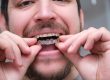
Night guards are among the most common solutions and are custom-made to precisely fit the patient’s jaw. Currently, 3D printing technologies are used to produce:
- Comfortable guards that do not interfere with sleep
- Made from durable medical materials
- Lightweight and do not cause gum irritation
- Help reduce friction and pressure during sleep
2. Botox injections for muscle relaxation:
In severe cases of night grinding or chronic jaw muscle spasm, the doctor may recommend Botox injections into the jaw muscles (specifically the masseter muscle). Mechanism:
- Botox weakens the muscle responsible for excessive pressure
- Reduces teeth clenching without affecting normal jaw functions
- Relieves temporomandibular joint pain caused by spasms. This treatment is temporary and is repeated every 3–6 months according to the case.
3. Cognitive Behavioral Therapy (CBT):
CBT is considered an effective method especially if the causes of bruxism are psychological or due to anxiety and stress. It aims to:
- Train the patient to deal with stress and nervous pressure
- Modify psychological and behavioral responses related to unconscious teeth clenching
- Breathing techniques, meditation, and relaxation exercises
- These methods reduce stress, which reduces the severity of grinding during sleep.
4. Jaw exercises and muscle relaxation:
Some non-pharmacological techniques recommended by dentists include:
- Gently opening and closing the jaw.
- Massaging the facial and jaw muscles.
- Applying warm compresses to the temporomandibular joint (TMJ) to relieve spasms. These exercises are beneficial for chronic teeth grinding and are used in conjunction with other treatments.
5. Sleep position adjustment:
Sleeping on the back may increase the likelihood of bruxism during sleep. Doctors recommend changing sleep position to the side and using a pillow that supports the neck, which reduces pressure on jaw muscles.
It is also preferred to avoid sleeping in environments with light or noise to improve sleep quality and reduce disorders such as apnea.
6. Muscle relaxant use:
In some cases, especially when there are severe spasms, the dentist may prescribe muscle relaxant medications taken before sleep.
They are used for a short period only under medical supervision and help reduce involuntary contractions during sleep.
7. Drug treatment for psychological causes:
When the cause is psychological such as anxiety or depression, psychological or pharmacological intervention may be required:
- Antidepressants or anti-anxiety medications (prescription only)
- Treatment of insomnia and associated sleep disorders such as epilepsy or night terror
8. Occlusal adjustment and TMJ treatments:
If the cause is organic such as malocclusion or TMJ disorder, treatment may include:
- Occlusal reconstruction by adjusting tooth height or placing dental crowns
- TMJ therapy using special devices or physiotherapy sessions
- In some cases, minor surgical intervention may be used to improve jaw movement
Conclusion
Bruxism is not just an annoying habit during sleep, but it may be an indicator of an organic or psychological disorder that requires immediate treatment. Do not wait until the problem worsens. If you notice symptoms such as tooth wear or jaw pain, visiting the dentist is the first step toward treatment.
Regain your smile with confidence… Take your first steps with us at Wonders Dentistry. Book your consultation now.
FAQs
How do I know I have bruxism if it happens only during sleep?
Most patients discover nocturnal bruxism through secondary symptoms such as morning headaches, TMJ pain, or noticing that tooth edges are worn or flattened. Clinical examination at Wonders Center reveals enamel wear patterns confirming bruxism even if you do not feel it.
Does an over-the-counter night guard replace a custom one?
On the contrary, it may be harmful in some cases. Ready-made guards are often too soft or inaccurate, which may stimulate the brain to “chew” them and increase grinding force. A custom night guard is made based on an exact impression and reduces pressure on the TMJ and protects enamel.
What is the relationship between bruxism and sleep disorders?
Modern studies show a strong link between bruxism and sleep apnea. In many cases, the body moves the jaw (bruxism) as an involuntary response to open a blocked airway.