
Some patients suffer from tooth loss for long periods, which can significantly affect the jawbones—especially the upper jaw—where rapid bone resorption occurs, making traditional dental implants extremely difficult.
The process of jawbone resorption accelerates in the presence of certain systemic conditions such as osteoporosis, thyroid and parathyroid disorders, gum diseases, and other bone-related conditions.
In such cases, dentists often resort to complex and lengthy bone grafting procedures, where bone is taken from areas like the hip and grafted into the upper jaw, sometimes with or without sinus lift surgery. These bone grafts require several months to heal and have variable success rates.
Zygoma Implants represent an advanced and innovative solution in the field of dental implantology—particularly for patients suffering from severe upper jawbone loss where traditional dental implants are not possible. Below is a detailed and comprehensive explanation of this procedure, covering all aspects of zygomatic implants.
What Are Zygoma Implants?
Zygoma implants are an advanced dental implant technique designed to provide a permanent and effective solution for patients with severe upper jawbone loss.
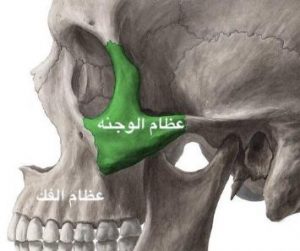
This technique relies on fixing the implants into the cheekbone (zygoma) instead of the upper jawbone, creating a strong and stable foundation for the artificial teeth.
They are considered long implants, used by dentists in complex and advanced cases of upper jawbone resorption. These implants are placed in the cheekbone at a higher level than the jawbone, thus avoiding the need for sinus lift or complicated and costly bone grafting surgeries.
This type of dental implant boasts a very high success rate, allowing for the fixation of a full dental prosthesis either immediately or using the traditional method after about three months of healing.
What Is the Difference Between Zygoma Implants and Traditional Dental Implants?
Location: In traditional implants, the screws are fixed into the upper jawbone, while in zygoma implants, they are anchored into the cheekbone.
Length: Zygoma implants are longer than traditional implants, ranging between 30–55 mm in length.
Bone graft requirement: Zygoma implants eliminate the need for bone grafting or sinus lift surgeries, reducing the number of surgical procedures required.
Cases Suitable for Zygoma Implants
Severe upper jawbone resorption:
Patients who have lost significant upper jawbone mass, making traditional implants impossible.
Post-tumor resection cases:
Patients who have undergone tumor removal surgeries in the upper jaw resulting in major bone loss.
Full upper tooth loss with weak bone:
Patients who have lost all upper teeth and suffer from weak bone density.
Failed traditional implant cases:
Patients whose traditional implants failed due to insufficient bone or other complications.
What Is the Length of Zygoma Implants?
While standard dental implants range from 8 mm to 16 mm, zygoma implants range from 30 mm to 55 mm, allowing them to be anchored deeply in the dense cheekbone structure.
Does Cheekbone Resorption Occur Like Jawbone Resorption?
No, this rarely happens. The cheekbones are not exposed to bacteria, temperature changes, or food impact like the jawbones are, so resorption is uncommon. However, in rare cases involving tumors, cancer, or trauma, cheekbone loss can occur.
How Many Zygoma Implants Are Needed for a Full Upper Arch?
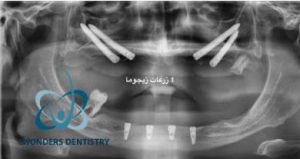
In most cases, only two zygoma implants are placed in the cheekbone, combined with two regular implants in the front area, to support a full fixed denture either immediately or after three months.
However, in extremely complex cases where anterior implants cannot be placed, four zygoma implants may be used to support a complete upper arch.

Surgical Steps of the Zygoma Implant Procedure
- Accurate diagnosis: 3D CT imaging is performed to assess bone structure and determine optimal implant sites.
- Anesthesia: Can be performed under general or local anesthesia, depending on the patient’s condition and the surgeon’s preference.
- Surgical procedure: Entry points in the cheekbone are determined for implant insertion.
- Angled implant placement: Implants are inserted at a specific angle to ensure maximum stability and support for prosthetics.
- Immediate or delayed loading: In some cases, a temporary denture can be fitted immediately after surgery, allowing the patient to regain functionality right away.
Advantages of Zygoma Implants
- Avoids bone grafting and sinus lift surgeries.
- Allows for immediate loading in certain cases.
- Provides a permanent, stable solution for upper jaw tooth loss.
- Suitable for medically complex patients who cannot undergo multiple surgeries.
Disadvantages of Zygoma Implants
- A complex surgical procedure requiring advanced expertise and technology.
- Higher cost compared to traditional implants due to surgical complexity.
- Potential risks like infection or implant failure, as with any surgery.
Are Zygoma Implants Safe? What Are the Possible Complications?
Zygoma implants are completely safe and have a very high success rate. However, like any surgery, mild temporary side effects may occur, such as pain, swelling, or bruising, usually resolving within a week.
Some patients may experience facial numbness for up to three months, but it is generally minor and does not interfere with daily life.

Modern Technologies Used
Computer-guided surgery:
3D imaging and digital planning ensure precise implant positioning.
Pure titanium implants:
Made from 100% titanium for excellent biocompatibility and durability.
Smart fixation systems:
Advanced retention mechanisms ensure superior implant stability and prosthetic support.
Can Zirconia Teeth Be Used with Zygoma Implants?
It is not recommended to use zirconia crowns over zygoma implants. Instead, lightweight restorations should be used to reduce pressure on the cheekbones.
The best option is BioHPP restorations, known for being highly aesthetic, strong, and lightweight—better than zirconia for implant cases, although slightly more expensive.
Reinforced acrylic restorations can also be used as a cost-effective alternative.
Is Zygoma Implant Treatment Available at Wonders Dentistry?
Yes, Wonders Dentistry in Egypt includes a team of top specialists and consultants in dental implant surgery. Zygoma implant procedures and temporary restorations can be completed within a week with excellent results.
Patients can contact us and send their X-rays to receive a preliminary cost evaluation.
Conclusion
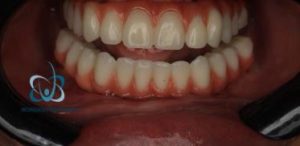
Zygoma implants offer an innovative and effective solution for patients suffering from severe upper jawbone loss. Thanks to modern technology and advances in implant dentistry, patients can now restore their oral function and confidence with a natural, long-lasting smile.
If you have lost upper teeth and are looking for a permanent, stable solution, Zygoma implants may be the ideal choice for you.
FAQs
Who is the ideal candidate for Zygomatic Implants?
The ideal candidate is someone with Severe Maxillary Atrophy (significant bone loss in the upper jaw) who cannot support traditional implants. This often includes long-term denture wearers or patients who have suffered from advanced periodontal disease. At Wonders Dentistry Center, we use these implants to provide a stable foundation for those who have been told a fixed bridge is impossible.
How do Zygomatic Implants differ from traditional dental implants?
Traditional implants are placed in the alveolar bone (the bone that holds your teeth). Zygomatic Implants are much longer and are anchored in the Zygoma (cheekbone). The cheekbone is much denser and does not resorb like jawbone does, providing immediate and incredibly strong stability. This allows us to often perform “Teeth-in-a-Day” procedures even in the most challenging cases.
Is the recovery for Zygomatic Implants more difficult than regular surgery?
While the procedure sounds more complex, the recovery is surprisingly similar to standard full-mouth reconstructions. Because we avoid the “trauma” of multiple bone grafting surgeries and sinus lifts, the overall healing time is actually reduced. Most patients experience minor bruising or swelling in the cheek area for 3–5 days, but the functional benefits are felt almost immediately.
Can Zygomatic Implants fail, and what is the success rate?
Zygomatic implants have an exceptionally high success rate, often exceeding 97-98%. Because they are anchored in high-density cortical bone, they are highly resistant to the biological factors that cause traditional implants to fail. At Wonders Dentistry Center, we utilize 3D Computer-Guided Surgery to ensure precision placement, minimizing risks and maximizing the longevity of the restoration.