
Many people who have undergone a dental implant procedure are surprised after some time by the appearance of a problem, whether it is persistent pain, inflammation around the implant, or even a feeling that the implant is no longer as stable as it used to be. In these cases, the dentist may recommend dental implant removal as a necessary step to protect the surrounding bone and gums, in preparation for re-implantation later in a safer way.
What Is Dental Implant Removal?
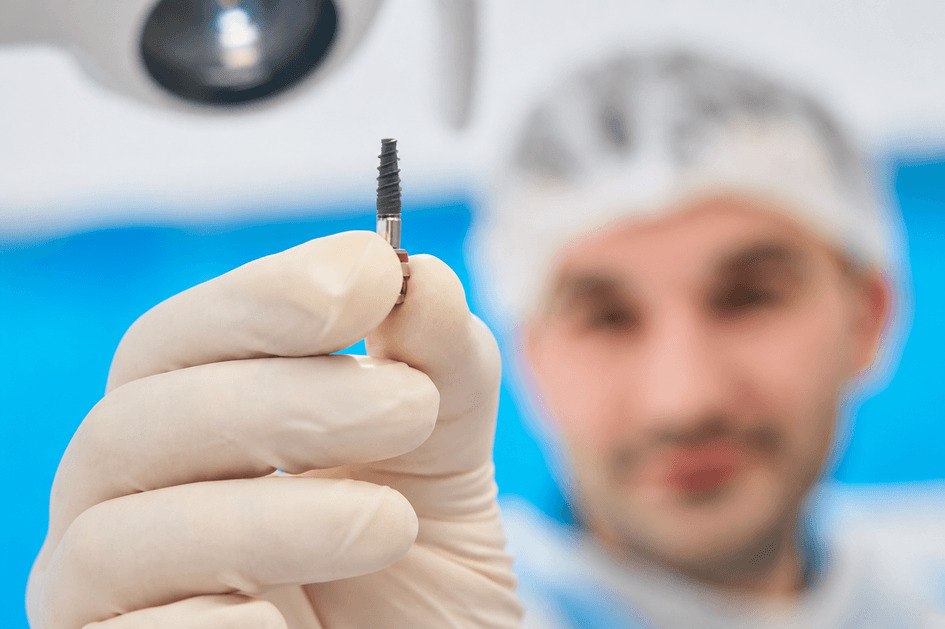
Dental implants usually consist of a part that is placed inside the jawbone to act as a replacement for the tooth root, in addition to other components that are later used to support the crown or dental prosthesis.
When we talk about dental implant removal, we usually mean removing the part implanted inside the bone, and not simply removing the crown or prosthesis located above the implant. The distinction is important because a problem with the crown or one of the components does not necessarily mean that the implant itself needs to be removed.
The implant dentist first determines the type and location of the problem, then decides whether treatment can be performed without removing the implant or whether removal is the most appropriate option.
Why Might You Need Dental Implant Removal?
There are several medical reasons that may lead the dentist to decide to remove a dental implant, the most prominent of which are:
Failure of Osseointegration
After the dental implant is placed, an important biological process called osseointegration occurs, in which the surface of the implant connects with the jawbone in a way that provides the necessary stability.
If this integration does not occur adequately, the implant may not become stable as required. Instability may be associated with several factors, such as bone quality, certain medical factors, smoking, excessive loading on the implant, or factors related to the healing process.
If the implant is unstable and cannot be preserved, the implant dentist may recommend removing it and allowing the area to heal before evaluating the possibility of retreatment.
Peri-implantitis
Inflammation can occur around dental implants, and the severity of these cases varies.
There is a difference between inflammation of the tissues surrounding the implant (Peri-implant mucositis), which is mainly limited to the soft tissues, and peri-implantitis, which may be accompanied by progressive loss of the supporting bone.
This difference is important because inflammation in its early stages may be managed through improved oral care, professional treatment, and follow-up, while advanced cases may be more complicated.
The presence of inflammation around the implant does not automatically mean that its removal has become necessary. The implant dentist determines the degree of inflammation, the amount of bone loss, and the extent to which the condition can be controlled.
Bone Loss Around the Implant
The bone surrounding the implant is an essential part of its support. When advanced bone loss occurs, the stability and function of the implant may be affected.
Bone loss may be associated with various factors, including peri-implant inflammation, certain functional problems, or other factors that require evaluation.
If bone loss becomes severe and it is no longer possible to maintain the implant safely, removal may become part of the treatment plan.
Implant Mobility
One of the signs that requires attention is mobility of the implant.
However, an important point must be noted: mobility of the crown does not necessarily mean mobility of the implant body itself. The patient may feel that the implanted tooth is moving, while the problem is actually with one of the components or with the crown and not with the part embedded in the bone.
For this reason, the patient should not repeatedly try to test the implant or move it with their hand or tongue. Instead, it should be examined by a dentist to determine the source of the movement.
Implant Placement in an Anatomically Incorrect Position
Some Mechanical or Functional Problems
Not all dental implant problems are related to inflammation or bone. Mechanical problems may occur involving the crown, screw, or one of the components of the implant system. Excessive loading or improper distribution of chewing forces can also place stress on implant components, especially when factors such as bruxism or certain occlusal disorders are present.
Some of these problems may be treated without removing the implant, such as repairing or replacing one of the components, adjusting the dental restoration, or treating an occlusal problem. Therefore, the presence of a fracture or loosening in one of the components does not automatically mean failure of the implant body itself.
Fracture of the Implant Body or Internal Screw
Fractures may occur in some components of the implant system and may involve the screw or parts of the prosthesis. In less common cases, the implant body itself may be affected. The approach varies according to the location of the fracture, the type of affected component, and the ability to access it.
If the fracture is in one of the replaceable components, it may be possible to repair the problem or replace the damaged part without removing the implant located inside the bone.
However, if the implant body itself has fractured or sustained damage that makes preservation impossible, removal may become necessary. The implant dentist then determines how to manage the area and whether retreatment is possible. Therefore, it is better to avoid the absolute statement that an implant fracture always means that removal is the only solution; the treatment plan depends on an accurate diagnosis.
Implant Placement in an Anatomically Inappropriate Location
Accurate planning before dental implant placement is important for determining the appropriate location, angle, and depth of the implant, while taking into consideration the inferior alveolar nerve, the maxillary sinuses, the roots of adjacent teeth, bone thickness, and the available space for the final prosthesis.
In some rare cases, the implant may be too close to an important anatomical structure or positioned in a way that causes functional problems, pain, or neurological symptoms.
For example, proximity of the implant to a nerve may cause symptoms such as numbness or altered sensation, while some problems in the upper jaw may be related to the relationship between the implant and the maxillary sinus.
However, having an implant in a less-than-ideal position does not automatically mean that it must be removed. The decision depends on its actual location, the symptoms present, the extent of its effect on the surrounding tissues or anatomical structures, and whether the problem can be treated in another way.
In cases where removal is necessary, appropriate imaging can be used, and three-dimensional imaging may be useful for planning the procedure according to the dentist’s assessment.
Cosmetic Reasons
The implant may be functionally stable but may not achieve the expected aesthetic result, particularly in the anterior region of the mouth, where the gums, crown shape, and implant position are important factors in the final result.
The aesthetic problem may result from the implant’s position, its angle, the amount of soft tissue and bone, or the crown design, and not necessarily from a problem with the implant body itself.
Therefore, dental implant removal is not the first solution for every aesthetic problem. The result may be improved by modifying the crown, treating the surrounding tissues, or using appropriate restorative techniques.
However, if the implant’s position itself makes achieving an acceptable functional and aesthetic result impossible, the dentist may discuss removing the implant and replanning the treatment.
General Medical Reasons (Such as Autoimmune Diseases or Uncontrolled Diabetes)
The patient’s general health plays an important role in the success of dental implants. Autoimmune diseases or uncontrolled diabetes reduce the body’s ability to integrate naturally with the implant. In such cases, the dental implant may fail despite the accuracy of the surgical procedure itself, making its removal necessary and requiring the patient’s health condition to be stabilized before considering re-implantation.
For example, uncontrolled diabetes may affect wound healing and tissue health and may be associated with an increased risk of certain complications compared with cases in which the disease is under good medical control.
The dentist should also be informed about chronic diseases, medications being used, and any treatments that affect immunity or the healing of bone and tissues.
As for immune diseases, it is not correct to say that having an immune disease inevitably means implant failure. The effect depends on the type of disease, the degree to which it is controlled, the medications being used, the patient’s general health, and the patient’s medical assessment.
Therefore, each case should be evaluated individually before deciding on dental implant placement or re-implantation.
How Do You Know That Your Dental Implant Needs to Be Removed?
There are a number of signs that indicate a real problem with a dental implant, and they should not be ignored. You should visit your dentist immediately if you notice any of them.
- Noticeable Movement of the Implant When Chewing or Touching It with the Tongue: One of the clearest signs of a problem with a dental implant is feeling that it is moving or unstable, whether during normal chewing or even when touching it with the tongue unintentionally. This movement usually indicates that the implant is no longer properly integrated with the bone and requires immediate consultation with the dentist before the problem worsens.
- Persistent Pain or Severe Sensitivity When Pressure Is Applied: Pain that continues for a long time after the implant has completely healed, or severe sensitivity when pressure is applied while eating, is not normal and should not be ignored. This symptom may indicate a hidden infection or a problem with the implant’s integration with the surrounding bone.
- Persistent Swelling and Redness of the Gum Around the Implant: The appearance of swelling or redness that does not disappear after the first few days following dental implant placement is an important warning sign. It is often an indication of chronic inflammation around the implant that requires prompt treatment to prevent deterioration of the surrounding bone and tissues.
- Pus or Foul-Smelling Discharge Around the Implant: The presence of pus or foul-smelling discharge around the dental implant almost certainly indicates an active infection. This condition requires immediate medical attention, as it may lead to further bone loss if left untreated.
- The Gum Changes Color to Blue or Purple: A change in the color of the gum surrounding the dental implant to shades of blue or purple often indicates poor blood circulation in the area or a deeper problem within the tissues. This discoloration requires immediate examination to determine the cause and treat it before the condition worsens.
- An X-ray Shows Bone Loss Around the Implant (More Than 50% of the Implant Length): In some cases, a failed dental implant does not show obvious symptoms, and the implant dentist discovers the problem only through a routine X-ray. When the X-ray shows bone loss around the implant exceeding approximately half of the implant length, this is considered a serious sign of deterioration of osseointegration, even if the patient does not feel any pain. This condition often requires reassessing the implant and seriously considering its removal.
How Is a Dental Implant Removed?
The dental implant removal procedure usually goes through several precise steps:
- Local Anesthesia – Just Like Any Other Procedure: The dental implant removal procedure always begins with the administration of local anesthesia in the area surrounding the implant, just like any other routine dental procedure. This anesthesia ensures that the patient does not feel any pain throughout the procedure, and its effect continues for several hours after the session to reduce discomfort during the initial recovery period.
- A Small Incision in the Gum to Access the Implant Head: After the anesthesia takes full effect, the implant dentist makes a small and precise incision in the gum to access the upper part of the implant. This incision is kept as minimal as possible to preserve the surrounding tissues and speed up recovery after the procedure.
- Using Special Instruments to Loosen the Implant from the Bone: The implant dentist uses instruments specifically designed for this purpose, such as reverse drivers and precision drills, to gradually loosen the dental implant from the surrounding bone. The use of these specialized instruments reduces pressure on the bone and preserves as much healthy bone as possible.
- Removing the Implant with Precise Movements – Without the Need to Break the Bone in Most Cases: Once the dental implant has been loosened from its integration with the bone, it is removed with careful and slow movements without the need to break the surrounding bone in the vast majority of cases. This precise technique facilitates healing of the area later and prepares it better for dental implant replacement if necessary.
- Cleaning the Remaining Socket of Any Inflamed Tissue or Granulation Tissue: After the dental implant is removed, the implant dentist thoroughly cleans the socket that previously contained the implant, removing any inflamed tissue or granulation tissue resulting from infection or chronic inflammation. This step is essential to ensure a clean environment that promotes proper healing and reduces the chances of the problem recurring in the future.
- Suturing the Gum – Or Leaving It to Heal (Depending on the Case): The implant dentist determines the method of closing the wound, either by suturing the gum or leaving it to heal naturally, depending on the case and based on the size and location of the wound.
Is Dental Implant Removal Painful?
Many patients ask this question, and the answer is as follows:
During the Procedure: No Pain Thanks to Local Anesthesia
Before starting the procedure, the dentist uses the appropriate anesthesia for the area to be treated. In most cases where local anesthesia is used, the patient remains awake and conscious during the procedure, but should not feel sharp pain in the anesthetized area.
However, the patient may feel some pressure, vibration, or movement during implant removal, especially when the dentist uses instruments designed to loosen or remove the implant.
It is important to distinguish between the sensation of pressure and the sensation of pain. If the patient feels pain during the procedure, they should inform the dentist immediately so that the need for additional anesthesia can be assessed before continuing.
The type of anesthesia does not depend solely on the patient’s preference. Instead, it is determined by the dentist based on the nature of the procedure, its level of difficulty, the patient’s health condition, and their level of anxiety.
After the Procedure: Mild to Moderate Pain for 3–5 Days
After the anesthesia wears off, the patient may experience pain or discomfort in the treated area. Some sensitivity or swelling may also occur, especially if implant removal requires surgical intervention.
The discomfort is usually more noticeable during the initial period after the procedure and then gradually begins to improve, but the duration and severity of pain vary from one person to another.
A fixed duration such as three or five days cannot be specified for all patients. Some patients may feel better quickly, while others may require a longer period, especially if the condition is associated with inflammation or bone loss or if the procedure was more complex.
The dentist determines the method of pain control according to the patient’s health condition and the medications they take. The patient should not take any medication or exceed the recommended doses without consulting the dentist.
Swelling: Normal for 2–3 Days
Swelling may occur in the tissues surrounding the procedure site, and it is part of the body’s normal response after surgical intervention.
The degree of swelling varies according to the size and location of the procedure, the condition of the tissues, and the presence of previous inflammation. Therefore, swelling by itself should not be considered a sign that complications have occurred.
The implant dentist may recommend using cold compresses during the initial period after the procedure according to their instructions, in addition to following care instructions that help reduce irritation in the area.
However, if the swelling is clearly increasing instead of improving, or if it is accompanied by severe pain, fever, discharge, or other unusual symptoms, the dentist should be contacted to evaluate the condition.
The Pain Is Usually Less Than the Pain of Extracting Natural Teeth
There is no fixed medical rule stating that implant removal is always less painful than natural tooth extraction. The degree of pain does not depend only on the presence of nerves inside the tooth; the surrounding tissues, bone, gums, extent of the surgical intervention, and presence of inflammation are all factors that affect the patient’s experience.
Removing an implant that has not integrated may also be very different from removing an implant that is strongly integrated with the bone and requires surgical intervention. Therefore, a direct comparison between implant removal and natural tooth extraction is not accurate for all cases, and it is better to assess the nature of each patient’s specific procedure.
What Happens After Dental Implant Removal?
After the removal, the implant dentist presents several options to the patient depending on the condition of the remaining bone.
Option 1: Leave the Area to Heal
The area where the dental implant was removed is left without any intervention for a period ranging from two to four months, allowing the body enough time for the bone and gum to heal naturally. After this period, the condition of the bone is reassessed to determine whether it is ready to receive a new implant.
Option 2: Bone Grafting During the Same Removal Session
In some cases, the implant dentist places a bone graft material immediately after removing the dental implant during the same session, especially if the remaining bone is insufficient to support a future implant. This option helps build a stronger bone foundation, making future dental implant placement more successful.
Option 3: A Temporary Replacement Until the Bone Heals
To maintain appearance and chewing function during the healing period, a temporary solution such as a bridge or a partial denture can be placed until the bone has completely healed. This option is particularly suitable for patients who do not wish to leave a visible gap in their teeth for an extended period.
Option 4: Immediate Dental Implant Placement
In limited cases where the remaining bone is of excellent quality and there are no signs of active infection, the dentist may place a new dental implant immediately during the same removal session. This decision depends entirely on the implant dentist’s assessment during surgery and is the fastest option, although it is not suitable for all cases.
When Can a Dental Implant Be Placed Again After Removal?
Dental implant placement can be performed again after removal in the following cases:
If the Bone Is Healthy: Dental Implant Placement Again After 2–3 Months
When the bone surrounding the site of the previous dental implant is in good condition without any significant bone loss, the patient can undergo placement of a new dental implant within two to three months. This period is sufficient to ensure proper healing of the soft tissues and bone, allowing the new implant to be placed successfully.
If Bone Grafting Is Needed: Wait 4–6 Months Until the Bone Graft Integrates
In cases that require bone grafting after implant removal, the body needs a longer period, ranging from four to six months, for the bone graft to integrate properly. Waiting for this period is essential to ensure a strong bone foundation that can securely support the new dental implant.
If the Implant Was Removed Because of an Infection: Wait Until the Infection Has Completely Resolved (3–4 Months)
When the reason for removing the dental implant is an active infection, it is necessary to wait until the infection has completely resolved before considering a new implant. This period usually ranges from three to four months. Rushing the procedure in this case may lead to failure of the new dental implant in the same way.
In Some Rare Cases: Re-implantation During the Same Session (Immediate Dental Implant Placement)
In very limited cases where the bone is in excellent condition and there is no infection, the surgeon may decide to place a new dental implant immediately after removing the old one during the same session. This decision depends entirely on the implant dentist’s evaluation during the surgery itself and cannot be determined in advance before examining the condition of the bone directly.
The Difference Between Implant Removal at Wonders Dentistry and Other Clinics
Wonders Dentistry offers many advantages that have made it the preferred choice for many patients who wish to undergo dental implant removal. The most important of these advantages include:
CBCT Scan Before Removal: To Determine the Position of the Dental Implant
Before starting any procedure, Wonders Center relies on a detailed CBCT scan to study the exact position of the dental implant and determine how close it is to the nerves or the maxillary sinus. This step significantly reduces the risks of the procedure and enables the implant dentist to create an accurate treatment plan before touching the implant.
Specialized Removal Instruments: We Do Not Use Random Instruments
The medical team relies on a set of instruments specifically designed for dental implant removal instead of using general instruments that may damage the surrounding bone. These specialized instruments make the removal process more precise and reduce the chances of accidental fracture or damage.
Oral and Maxillofacial Surgeons
Dental implant removal procedures at the center are performed by surgeons specialized in oral and maxillofacial surgery rather than by a general dentist, as may be the case in some other clinics. This specialized expertise ensures proper management of any complications that may arise during the procedure and increases the overall success rate.
Dental Implant Placement Again at the Same Center: We Do Not Refer You to Another Clinic
The clinic provides a complete service that begins with removing the failed dental implant and continues through placing a new implant without referring the patient to another clinic to complete the remaining stages of treatment. This integrated approach saves the patient time and effort and ensures continuous follow-up with the same medical team that is familiar with every detail of the patient’s condition.
FAQs
Can a Dental Implant Be Removed Without Surgery?
In very rare cases where the implant has not integrated with the bone at all, it may be removed with a simple movement without the need for a surgical incision. However, the vast majority of cases require a minor surgical procedure as explained above.
What Is the Success Rate of Replacing a Failed Dental Implant After Removal?
The success rate exceeds 90% when dental implant placement is performed after an adequate healing period and a careful evaluation of the condition of the bone, especially when bone grafting is performed if needed.
How Long Does Dental Implant Removal Take?
The procedure usually takes between 20 and 45 minutes, depending on the complexity of the case and the degree of implant integration with the bone.
What Are the Risks of Dental Implant Removal?
The possible risks include minor bleeding, temporary swelling, and, in rare cases, additional bone loss if the dental implant is very firmly integrated with the bone. These risks are greatly reduced when the procedure is performed at a specialized center that uses precise instruments and preoperative imaging.
Can a New Dental Implant Be Placed Immediately After Removing the Old One?
In limited cases where the bone is in excellent condition and there is no active infection, the dentist may place a new dental implant during the same removal session. However, the final decision always depends on the dentist’s evaluation during the surgery.