

Many people ignore mild inflammation in the teeth or gums, thinking the pain will go away quickly, but reality shows that maintaining dental health requires active follow-up. Studies indicate that around 60% of severe and intense tooth pain is due to untreated inflammation from early stages. These inflammations often begin without being noticed, and after a short period, the pain turns into discomfort that is hard to bear, leading to serious complications that affect the mouth and the body in general.
Inflammation in general is a word that carries many meanings of pain and discomfort just by hearing it. Today, we will try to reduce the intensity of the feeling associated with this term by discussing different aspects of it.
In this article, we will comprehensively learn about tooth inflammation, its types, symptoms, complications, the latest treatment methods, and how to prevent it. The goal here is for you to be fully aware, because getting into the dental clinic and starting treatment as soon as possible may save you from unbearable pain.
What is tooth inflammation?
First, the meaning of inflammation in general. Inflammation in any part of the body is a sign of damage in that area, where the body’s الدفاعية cells react around it, resulting in inflammation in the supplying nerves. This process occurs similarly in teeth.
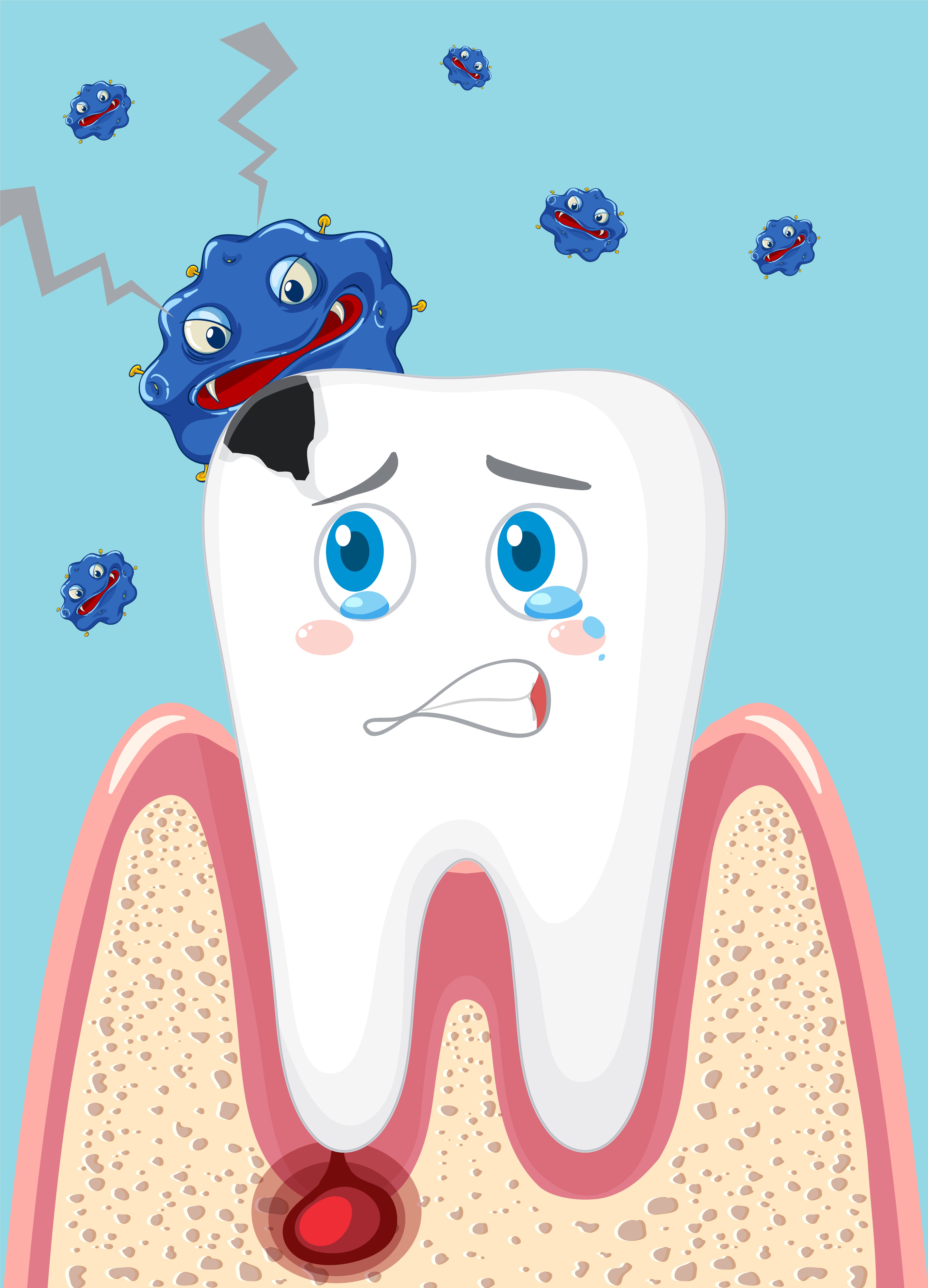
Inside the tooth, there is a very fine network of blood vessels and nerves, which is called the dental pulp or nerve. When the tooth is exposed to damage such as tooth decay or consuming sugary or cold foods, bacteria become active inside the tooth and harm the nerve cells. The nerve, in turn, tries to preserve the vitality of the tooth, which leads to inflammation inside it.
Tooth inflammation is an inflammatory response in the tissues of the tooth, gums, and surrounding bone due to bacterial invasion. The pain usually begins from the tooth roots or molar nerve, and it may extend to other parts of the body through blood vessels, so it should not be underestimated. It occurs when bacteria penetrate the enamel layer, then dentin, reaching the pulp or gums, causing a disturbing condition that requires immediate treatment.
If this inflammation continues without treatment, it will spread to include most nerve cells and may extend to the tissues surrounding the roots and the bone, appearing as pus infections and swelling.
Types of tooth inflammation
There are many types of tooth inflammation, and these types differ according to the degree of damage and spread of inflammation in the tooth. These types, from least harmful to most severe, are as follows:
- Pulp inflammation (tooth nerve): When tooth decay reaches the internal nerve close to blood vessels and nerve endings, throbbing pain begins accompanied by sensitivity to heat or cold, and may be associated with swelling and redness.
- Periodontal inflammation (gums and surrounding bone): This type begins with swelling and puffiness in the gums, accompanied by slight bleeding when brushing or using dental floss, and if neglected, it extends to the surrounding bone.
- Dental abscess (pus accumulation): In advanced cases, bacteria accumulate and infect the tooth with inflamed pus, causing very painful swelling and may lead to nerve compression or spread of infection to distant areas such as the sinuses or even the skull.
- Reversible pulpitis: This type of inflammation does not last long. It indicates that it has not yet reached the tooth nerve. It is accompanied by discomfort and sensitivity when consuming cold drinks or sugary foods. It appears with mild tooth decay and is easy to treat.
- Irreversible pulpitis: In this type, inflammation spreads within the tooth nerve. It is characterized by severe pain that lasts for long periods without stopping, and painkillers do not relieve it. It may affect sleep quality and make daily activities difficult. It requires urgent treatment.
- Chronic pulpitis: This type is latent and not very painful, but neglecting it leads to complete destruction of the nerve over time and the appearance of swelling and pus infections under the tooth roots.
Causes of tooth inflammation
Deep tooth decay: bacteria penetrate deep cavities and reach the tooth nerve quickly, making it susceptible to inflammation.
Cracks or wounds in the tooth: a simple tooth fracture due to chewing very hard food may open a bacterial pathway that leads to inflammation that we do not notice until it worsens.
Chronic gum diseases: when the gums and molars suffer from long-term imbalance, bacteria spread to the jawbone, increasing the likelihood of periodontal inflammation.
Leaky fillings: dental fillings may break down and allow bacteria to enter underneath them, leading to inflammation of the blood vessels in the tooth roots.
Neglect of oral hygiene: not taking care of cleaning the teeth twice daily with a toothbrush and dental floss allows bacteria to accumulate and cause inflammation that worsens due to neglect.
Symptoms of tooth inflammation
Tooth inflammation in general is an uncomfortable feeling that may end quickly or may last for a long time. The symptoms of tooth inflammation vary depending on the stage the inflammation has reached and its type, and the signs may begin mildly and gradually develop into severe pain and serious complications if medical intervention is not done in time. Below is a detailed explanation of the symptoms:
- Persistent or throbbing pain: persistent pain is one of the most prominent symptoms. The pain may be sharp or moderate, and increases with chewing or eating, especially hot or cold foods. It may appear at night or when lying down, affecting sleep.
- Severe sensitivity: the patient feels excessive tooth sensitivity when consuming cold or hot drinks or foods, and this is due to erosion of the enamel layer and exposure of the nerve or dentin.
- Swelling of the gums or face: when inflammation develops, swelling may occur in the gums surrounding the inflamed tooth, and may extend to the face and cheek if the infection reaches the tooth roots or surrounding tissues.
- Redness and bleeding of the gums: redness of the gums and repeated bleeding indicate the presence of periodontal inflammation, especially when brushing teeth or using floss.
- Bad breath: results from the accumulation of bacteria and pus around the tooth, causing bad breath that does not go away with mouthwash, and this sign may be persistent and worsen over time.
- Difficulty opening the mouth or chewing: when inflammation extends to the muscles or the temporomandibular joint, the patient suffers from difficulty opening the mouth or moving it, and sometimes pain in the jaw during chewing.
- Bitter or salty taste in the mouth: the presence of an abnormal taste indicates leakage of pus or inflammatory fluids from the abscess site inside the mouth, and may be accompanied by a general feeling of discomfort.
- Change in tooth color: the tooth may turn dark gray or brown, indicating damage to the internal nerve, which is an advanced sign that indicates the inflammation has reached the stage of nerve death.
- Swelling in the lymph nodes: in some cases, especially if the infection is severe, the patient may feel swelling and pain when touching the lymph nodes under the jaw or in the neck.
- Fever and general weakness: if the infection spreads to the blood, tooth inflammation may be accompanied by high temperature, general fatigue, chills, and night sweats, which are signs indicating the presence of an abscess or the beginning of a general infection in the body.
Serious complications if tooth inflammation is not treated
If tooth inflammation is left without treatment, the infection may spread to nearby areas such as the jawbone causing bone inflammation, or reach the sinuses or the brain causing a rare brain abscess, and may reach sepsis which threatens life. These complications show the importance of early medical intervention before it is too late.
How is tooth inflammation treated and what are its steps?
If any symptoms of inflammation appear, you must quickly go to your treating dentist so that the inflammation and its speed of spread are diagnosed very accurately using some precise devices such as a pulp vitality tester, tapping on the teeth using metal tools to determine the presence of inflammation in the root area or not, as well as dental X-rays which determine the presence of other causes of inflammation. After that, the dentist treats the inflammation according to its causes as follows:
1- Reversible inflammation cases:
The dentist gives you some local anesthesia, then tooth decay is removed using the appropriate tools and the cavity is filled with cosmetic fillings, and sometimes the decay removal process may need more than one visit if the decay is deep and close to the nerve. In this case, the decay is removed and a temporary filling is placed to monitor the symptoms of inflammation and its spread. Then in the next visit, the temporary filling is replaced with a permanent one after ensuring that the symptoms of inflammation have completely disappeared.
2- Irreversible inflammation cases:
Here the inflammation is continuous or increasing in a disturbing way as we mentioned earlier, and this affected tooth needs root canal treatment using precise tools in more than one visit, with good cleaning of the root canals and filling them with materials that limit the spread of bacteria and inflammation again.
3- Pus inflammation cases under the tooth roots:
Root canal treatment in these cases is difficult and sometimes impossible in the first visit due to severe pain, but the specialized dentist works in all possible ways to reduce this pain and swelling to eliminate the cause of the problem, which is the accumulation of bacteria in the tooth nerve and the tissues surrounding the roots. He gives you local anesthesia in a way suitable for such cases.
Then materials are placed inside the root canals that help reduce swelling and inflammation. An antibiotic is prescribed to eliminate inflammation and pus, and its instructions must be followed very precisely.
In the following visits, the dentist completes the stages of removing the nerve completely and filling the root canals.
Latest methods of treating tooth inflammation
- Root canal fillings (pulp treatment): the dentist removes the inflamed parts, cleans and disinfects the root canals, then fills them, preserving the tooth and stopping inflammation.
- Antibiotics: strong antibiotics are used that move through blood vessels to reduce swelling and eliminate bacteria, especially in case of infection spread.
- Concentrated fluoride doses: help strengthen the enamel layer after treatment and increase the tooth’s resistance to future infection.
- Extraction of the inflamed tooth: in cases where the damage is severe, the tooth is removed to prevent the spread of infection and protect neighboring teeth.
- Incision and drainage of abscess: if pus accumulates, it is incised and drained and washed with antiseptic solutions, which relieves pressure immediately.
- Gum surgery: in periodontal inflammation, deep pockets are cleaned or tissue grafting and root treatment are performed.
- Laser treatment: laser is used to disinfect root canals accurately without the need for strong anesthesia, and reduces bleeding and healing time.
- Ozone therapy: ozone gas is used to disinfect the inflammation area and kill bacteria resistant to antibiotics, and it is safe and fast.
- Bone regeneration techniques: if the surrounding bone is affected, biological materials or laser are used to stimulate growth and rebuild bone support.
Prevention of tooth inflammation
To prevent tooth inflammation, you must adhere to regular follow-up appointments for your dental health so that any symptoms or problems that may lead in advanced stages to tooth inflammation and its disturbing consequences are detected. You must also take care of cleaning your teeth daily to prevent tartar buildup that causes decay, and finally you must reduce sugary foods and soft drinks that increase bacterial activity.
Daily preventive routine: brushing teeth twice daily and flossing regularly prevents bacterial accumulation, and it is preferable to visit the dentist every 6 months for cleaning and examination.
Regular check-ups: regular visits to the dentist allow detection of decay or wounds before they turn into serious inflammations requiring extensive treatments.
Conclusion
If you feel any mild pain, swelling, or sensitivity in the teeth and gums, do not wait until things turn into an emergency case that requires extraction or surgery. Treating tooth inflammation in its early stages not only saves you effort and money, but also preserves your overall body health, and leads to a healthy pain-free smile. Contact your specialist dentist immediately and do not underestimate any simple symptoms, as they may prevent major pain later.
Start today with precise cleaning and attention to regular visits, and know that prevention is better than treatment. Your teeth deserve care, so do not delay it.
FAQs
What is the difference between “tooth sensitivity” and “tooth inflammation”?
Sensitivity is a sharp and quick response to cold or sugary stimuli and results from exposed dentin. Tooth inflammation (Pulpitis), however, is deep and throbbing pain that often occurs suddenly and continues for a long time after the stimulus disappears. While sensitivity can be controlled with special toothpaste, inflammation indicates that the tooth nerve (pulp) is under bacterial attack and requires immediate medical intervention to save the tooth.
Why does tooth inflammation sometimes cause “cheek swelling”?
Cheek swelling is a sign that inflammation has turned into a dental abscess. This happens when the infection escapes from the end of the tooth root and enters the surrounding bone and soft tissues. This condition is a medical emergency; at Wonders dentistry, we deal with these cases with top priority to drain the infection and eliminate bacteria before it spreads to the bloodstream.
Can tooth inflammation be treated using antibiotics only?
Frankly, no. Antibiotics move through the blood, but there is no blood flow inside a dead or severely inflamed tooth. While the antibiotic may help reduce external swelling, it does not reach the “source” of the infection inside the tooth. The root solution is manual intervention by the dentist to remove the infected tissue through root canal treatment or deep cleaning.
Is it safe to ignore tooth pain if it disappears on its own?
Ignoring it may lead to serious complications. The disappearance of pain often means that the tooth nerve has died (Necrosis), but bacteria remain present and continue to multiply silently, eventually leading to wider jawbone damage. Early treatment at the first sign of inflammation is the only way to avoid complex surgeries or losing the tooth permanently.