

During pregnancy, women go through hormonal and physical changes that can significantly affect oral and dental health. Maintaining good dental health during pregnancy is essential for both the mother’s and baby’s well-being.
Hormonal changes can increase the risk of gum disease and tooth decay, which is why special attention to oral care is necessary during this stage.
Oral Changes During Pregnancy
The effect of hormones on gums and teeth:
Hormonal changes during pregnancy increase blood flow to the gums, making them more sensitive and prone to inflammation and bleeding — a condition known as pregnancy gingivitis.
This condition usually appears during the second trimester of pregnancy.
Increased tooth sensitivity:
Some pregnant women experience heightened tooth sensitivity to hot or cold foods and drinks due to changes in enamel and gum structure.
Changes in saliva composition:
Hormonal fluctuations can reduce saliva production or alter its composition, decreasing its ability to protect teeth from decay.
Increased risk of decay and gum inflammation:
Cravings for sugary foods and changes in eating habits during pregnancy can increase the likelihood of cavities and gingivitis.
Common Dental Problems During Pregnancy
Pregnancy Gingivitis: Characterized by gum swelling, redness, and bleeding while brushing. It’s recommended to brush regularly using a soft toothbrush and dental floss, and visit the dentist for proper treatment.
Pregnancy Tumors: Non-cancerous gum growths that may appear during the second trimester. These usually disappear after childbirth but should be examined by your dentist if they cause discomfort.
Accelerated Tooth Decay: Pregnant women are at a higher risk of tooth decay due to hormonal changes and increased sugar intake. Regular brushing with a fluoride toothpaste is essential.
Enamel erosion due to morning sickness: Frequent vomiting can lead to enamel erosion. It’s advised to rinse your mouth with water after vomiting and wait at least one hour before brushing your teeth.
Increased tooth sensitivity: Heightened sensitivity during pregnancy can be managed by using toothpaste formulated for sensitive teeth.
Daily Oral Care Tips
- Proper brushing technique: Use a soft-bristled toothbrush and brush twice daily with fluoride toothpaste.
- Gentle flossing: Use dental floss daily to remove plaque between teeth.
- Safe mouthwash for pregnant women: Use an alcohol-free fluoride mouthwash.
- Calcium and Vitamin D–rich diet: Eat foods rich in calcium and vitamin D to strengthen teeth and bones.
- Stay hydrated: Drinking water helps cleanse the mouth and stimulate saliva flow.
Safe Dental Treatments During Pregnancy
1- Teeth Cleaning:
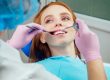
Professional dental cleaning is safe during pregnancy and recommended regularly to maintain oral health.
2- Dental Fillings:
Fillings can be performed using safe materials, preferably during the second trimester.
3- Dental X-rays:
Dental X-rays are safe during pregnancy when lead aprons are used, but they should be postponed until after the first trimester, unless absolutely necessary.
4- Medications:
Pain relievers and antibiotics may be prescribed to treat infections. Your dentist will choose medications safe for both you and your baby.
Always inform your obstetrician if any medications are prescribed, and never take any drugs — even over-the-counter ones — without consulting your prenatal care provider.
5- Local Anesthesia:
Local anesthesia, which numbs a specific area (such as for fillings or tooth extractions), is safe during pregnancy.
You can receive dental treatment at any stage of pregnancy. If the treatment is non-urgent or elective, it’s best to schedule it during the second trimester.
Dental Treatments to Avoid During Pregnancy
Teeth Whitening:
It’s best to postpone whitening procedures until after childbirth to avoid potential risks.
Unnecessary cosmetic restorations:
Delay non-essential cosmetic dental work until after delivery.
Certain types of anesthesia:
Some forms of anesthesia may not be safe during pregnancy — always consult your dentist for the safest option.
Restricted antibiotics:
Avoid antibiotics that are unsafe during pregnancy. Consult your obstetrician or gynecologist before taking any medication.
Tips for Maintaining Oral and Dental Health During Pregnancy
Good oral hygiene supports a healthy pregnancy and contributes to having a healthy baby. Here’s how to maintain strong and clean teeth during this time:
- Brush with fluoride toothpaste twice daily and floss once a day using a soft toothbrush. Regular brushing and flossing remove plaque and help maintain healthy teeth and gums.
- If you experience vomiting and can’t brush afterward, use antacids or rinse your mouth with a solution of 1 teaspoon baking soda in 1 cup of water to neutralize acids. Antacids help balance stomach acid, but always check with your doctor before taking any medication, even over-the-counter ones.
- Visit your dentist every six months, even during pregnancy, for regular checkups and cleanings — and always inform your dentist that you are pregnant.
- Eat healthy foods and reduce sweets: Choose fruits, vegetables, lean meats, whole grains, and low-fat dairy. Avoid sugary foods and drinks — choose water instead. A balanced diet provides vital nutrients for you and your baby. Your baby’s teeth start forming between 3 and 6 months of pregnancy, and nutrients like calcium, protein, phosphorus, and vitamins A, C, and D are crucial for proper development.
- Avoid smoking.
- Get calcium and vitamin D naturally through diet and safe sun exposure.
Conclusion
Taking care of your oral and dental health during pregnancy is not just about maintaining a beautiful smile — it’s an essential part of protecting both mother and baby’s health.
By following these simple yet effective tips and guidelines, you can ensure a healthy mouth, strong teeth, and better overall health for you and your baby.
FAQs
Is it safe to have dental procedures like fillings or cleanings during pregnancy?
Yes, and it is highly recommended. The second trimester is usually the ideal time for routine dental work. At Wonders Dental Center, we prioritize preventive cleanings to manage Pregnancy Gingivitis, which affects nearly 70% of expectant mothers. Leaving dental infections untreated poses a much higher risk to the pregnancy (such as links to pre-term birth) than the dental treatment itself.
Why do my gums bleed more now that I am pregnant?
This is due to hormonal surges, specifically increased Progesterone, which makes your gums more sensitive to the bacteria in plaque. This condition is known as Pregnancy Gingivitis. It can cause swelling, redness, and bleeding during brushing. Professional cleanings are essential during this time to prevent this inflammation from progressing into more serious periodontal issues.
How can I protect my teeth if I suffer from frequent morning sickness?
Morning sickness exposes your teeth to strong gastric acids, leading to Dental Erosion. Our advice: do not brush your teeth immediately after vomiting, as the enamel is softened and brushing can “scrub” it away. Instead, rinse your mouth with water or a mixture of water and Baking Soda to neutralize the acid. Wait at least 30 minutes before brushing with fluoride toothpaste.
What are “Pregnancy Tumors” in the mouth, and are they dangerous?
Despite the scary name, Pyogenic Granulomas (Pregnancy Tumors) are non-cancerous overgrowths of gum tissue. they usually appear between teeth as red, raw-looking lumps that bleed easily. They are typically caused by an exaggerated inflammatory response to local irritation. Most disappear on their own after delivery, but we can safely remove them if they cause discomfort or interfere with eating.