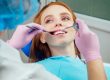


Oral and dental care is essential for everyone, but it becomes more important and complex for cancer patients. Treatments such as chemotherapy and radiotherapy can weaken the immune system and directly affect oral tissues, increasing the risk of infections and complications significantly. The mucous membrane inside the mouth is also highly sensitive to changes during treatment, which may sometimes lead to inflammation or ulcers that make eating or even speaking difficult.
For cancer patients, cosmetic dentistry is essential for their overall health and quality of life. Chemotherapy and radiotherapy for cancer can have a significant impact on oral health, causing tooth discoloration, tooth loss, dry mouth, gum disease, and oral ulcers.
From here, creating a dedicated plan for cosmetic dentistry for cancer patients is not limited to the aesthetic aspect only, but extends to a preventive and therapeutic role that helps reduce complications and supports the continuity of primary cancer treatment without obstacles. In this article, we will shed light on cosmetic dental procedures and their relationship to cancer treatment.
The impact of cancer treatments on oral health
Chemotherapy affects rapidly dividing cells, including oral cells, which may lead to ulcers and inflammation. Radiotherapy in the head and neck area damages the salivary glands, leading to dry mouth, increased tooth decay, and weakened immunity, which raises the chances of oral infections.
Good oral health helps reduce the risk of infection and relieves pain associated with dental problems. Controlling any dental issues before starting treatment also prevents complications that may disrupt the continuation of chemotherapy or radiotherapy.
If a patient develops an oral infection or severe inflammation, the doctor may need to stop or delay treatment, reducing its effectiveness. Therefore, dental care is an integral part of the treatment plan for cancer patients.
First stage: Preparing for cancer treatment (pre-treatment care)
Before starting cancer treatment, it is important for cancer patients to undergo a complete oral evaluation. This evaluation helps identify any existing dental conditions that may require treatment.
Comprehensive examination by a specialized dentist:
Before starting any cancer treatment, the patient should visit the dentist for a full examination including teeth, gums, and mucous membranes. The goal is to detect any infection or decay and treat it immediately to avoid worsening during treatment.
Deep cleaning and preventive treatments:
A professional dental cleaning session to remove accumulated tartar is essential. The dentist may also apply protective materials such as fluoride to reduce the risk of tooth decay.
This is also referred to as preventive treatment, as dental cleaning helps eliminate plaque buildup and tartar, reducing the risk of infection during cancer treatment.
Dietary advice to enhance oral health before starting:
Following a balanced diet rich in vitamins and minerals helps strengthen oral immunity. It is recommended to avoid sugary and acidic foods that increase tooth decay.
Tooth extraction:
To stop the spread of infection during cancer treatment, it may be necessary to extract teeth if they are severely decayed. To reduce risks, extractions should be performed before treatment.
Education on oral hygiene:
Dentists can provide cancer patients with personalized oral hygiene instructions to help them maintain good oral care during and after treatment. This includes proper brushing, flossing, and mouthwash use.
Oral and dental challenges during cancer treatment (and how to manage them)
1- Oral mucositis:
One of the most common side effects, causing pain and ulcers that make eating difficult. It can be managed using saline solutions and topical medications to relieve pain.
2- Dry mouth (Xerostomia):
Due to damage to salivary glands during radiotherapy, saliva production decreases, increasing the risk of tooth decay. Dryness can be reduced by using saliva substitutes and drinking water regularly.
3- Changes in taste and smell:
The patient may notice changes in taste, affecting appetite and diet. Trying different foods and avoiding strong-smelling foods is recommended.
4- Risk of infection and bleeding:
Due to weakened immunity, even minor gum injuries may cause infection. Therefore, gentle brushing with a soft toothbrush is important.
Daily oral care during the treatment journey: a special protocol
1. Choosing the right toothbrush:
The toothbrush should be very soft and small-headed to reduce pressure on the gums.
2. Ideal toothpaste:
It is best to choose alcohol-free toothpaste without strong abrasives or sharp flavors.
3. Proper cleaning method:
Teeth should be brushed very gently twice daily while avoiding causing wounds.
4. Importance of medicated mouthwash:
Using simple solutions such as sodium bicarbonate or saline solutions, or prescribed mouthwashes, helps reduce bacteria and soothe the mouth.
5. Denture care (if present):
Dentures should be cleaned daily and not worn all the time to reduce the risk of inflammation.
After chemotherapy and radiotherapy
After cancer treatment, it is important for patients to undergo a full oral evaluation to check for any potential damage or side effects resulting from treatment. This includes evaluating dry mouth, oral mucositis, and tooth decay.
Managing oral complications may require a dental specialist in cases where problems developed during or after cancer treatment. This may include treating tooth decay, managing gum problems, or relieving symptoms of dry mouth.
Full mouth rehabilitation may be recommended in certain cases where patients require various procedures such as dental implants, crowns, bridges, or dentures to repair or replace teeth that were damaged or lost during cancer treatment.
Continuous oral follow-up is essential after cancer treatment, and patients are advised to have regular dental check-ups and cleanings. This routine helps with continuous monitoring and maintaining oral health, and patients should maintain good oral hygiene practices to prevent further complications.
Dentists can provide dietary advice tailored specifically to the patient’s oral health needs. This may include suggesting soft or modified diets in cases where chewing and swallowing become difficult after treatment.
Monitoring for oral cancer is an important aspect of post-cancer care. Patients who have completed cancer treatment should undergo regular oral cancer screenings to detect any signs of recurrence or new lesions early.
What are cosmetic dentistry services for cancer patients?
As dentists, we aim to address oral and dental health issues that may arise as a result of cancer treatment, such as chemotherapy and radiotherapy. These treatments can significantly affect the patient’s oral health, potentially leading to damage to teeth, gums, and other oral tissues.
Cosmetic dentistry can help improve the appearance of the patient’s mouth and the function of teeth, which may contribute to overall quality of life during and after cancer treatment. Some common cosmetic dentistry services for cancer patients include:
- Teeth whitening: chemotherapy and radiotherapy may sometimes cause tooth discoloration.
- Dental fillings.
- Dental crowns: crowns are tooth-shaped caps placed over damaged or discolored teeth to restore their appearance and function.
- Dental implants: for patients who have lost teeth due to cancer treatment, implants can be an option to replace missing teeth.
- Veneers: thin shells made of porcelain or composite material bonded to the front surface of teeth to improve their appearance.
- Dentures: partial or full dentures may be necessary if the patient has lost several teeth due to cancer treatment.
- Gum reshaping: some cancer patients may experience gum problems such as gum enlargement or gum recession.
It is important to note that the specific cosmetic dentistry services needed for cancer patients will vary depending on the patient’s oral health condition and treatment history.
Before undergoing any cosmetic dental procedures, it is important for cancer patients to consult both their oncologist and dentist to ensure that the selected treatments are safe and suitable for their condition. Additionally, maintaining good oral hygiene practices is essential to prevent further complications during cancer treatment.
Dental care tips for cancer patients
- Regular oral evaluation: before and after cancer treatment, the patient should undergo periodic oral and dental examinations with the dentist. This helps detect any potential dental problems early.
- Good oral hygiene: patients should maintain good oral hygiene. This includes gently brushing teeth twice daily with a soft toothbrush and using dental floss.
- Managing dry mouth (xerostomia): many cancer patients suffer from dry mouth due to treatment. To relieve this, water-based oral moisturizers and alcohol-free mouth rinses can be used.
- Drinking adequate amounts of water is also essential.
- Protection from injury: the mouth and teeth should be protected from trauma or injury, especially during treatment. Wearing protective gear when necessary may help prevent damage.
- Healthy diet: following a balanced diet rich in essential nutrients supports overall health and healing. Avoid acidic foods that may increase oral inflammation.
- Avoid smoking and tobacco: smoking increases the risk of oral problems and the development of oral cancers.
- Regular dental visits: cancer patients should maintain regular dental visits after treatment to check oral and dental health and address any issues promptly.
- Follow medical instructions: patients should carefully follow the guidance of their medical team and adhere to treatment and oral care instructions.
Important reminder: dental care needs depend on the type of cancer, type of treatment, and the patient’s overall condition. Always consult the healthcare team and treating physician for personalized guidance.
When can I start cosmetic dental procedures after completing cancer treatment?
The timing depends on the patient’s overall health and the type of treatment received. It is usually recommended to wait several months after completing chemotherapy or radiotherapy before starting any cosmetic procedures to ensure complete oral healing.
Are cosmetic procedures safe for cancer survivors?
Yes, but they must be performed under the supervision of a dentist after ensuring the patient’s health condition is stable. In some cases, coordination between the oncologist and dentist may be required to determine the appropriate procedures.
Conclusion
Oral care during cancer treatment is just as important as the treatment itself, as it helps reduce pain, facilitates eating, and prevents infection. After recovery, cosmetic dentistry for cancer patients can be an important step in restoring confidence and a beautiful smile. By following a comprehensive plan that includes early examination, daily care, and regular follow-up with the dentist, cancer patients can maintain good oral health and enjoy a bright smile again.
FAQs
When is it safe to start cosmetic dentistry after chemotherapy or radiotherapy?
The “safe window” medically is usually 6 to 12 months after the last treatment session, especially for surgical procedures like dental implants. However, for non-surgical cosmetic solutions such as cosmetic fillings (Bonding), we can start earlier. At Wonders dentistry, we always request “medical clearance” from your oncologist to ensure immune levels and platelet counts are stable before any procedure, ensuring your complete safety.
Can I fix “chemo smile” (severe tooth discoloration) without damaging weakened enamel?
Yes. Chemotherapy often leaves teeth looking dull or gray. Instead of strong chemical whitening that may irritate sensitive gums, we use No-Prep Veneers or biomimetic restorations. These ultra-thin shells cover the tooth surface to instantly hide deep discoloration without drilling, preserving your natural tooth structure and restoring vitality.
Are dental implants possible after radiotherapy in the head and neck area?
It is possible, but it requires extremely careful planning. Radiation may reduce blood supply to the jawbone. We use hyperbaric oxygen protocols when necessary and rely on 3D CT scans to identify the safest and densest bone areas. In some cases, we may recommend zirconia bridges as a completely safe aesthetic alternative that avoids surgical intervention in the bone.
How do you manage chronic dry mouth when designing a new smile?
Saliva is the first line of defense for teeth, and without it, cosmetic restorations may be at risk. For our recovered patients, we use highly polished ceramic materials resistant to bacterial buildup. We also incorporate nano-hydroxyapatite-rich products into the treatment plan to restore minerals and protect your new smile from the acidic environment caused by dry mouth.