
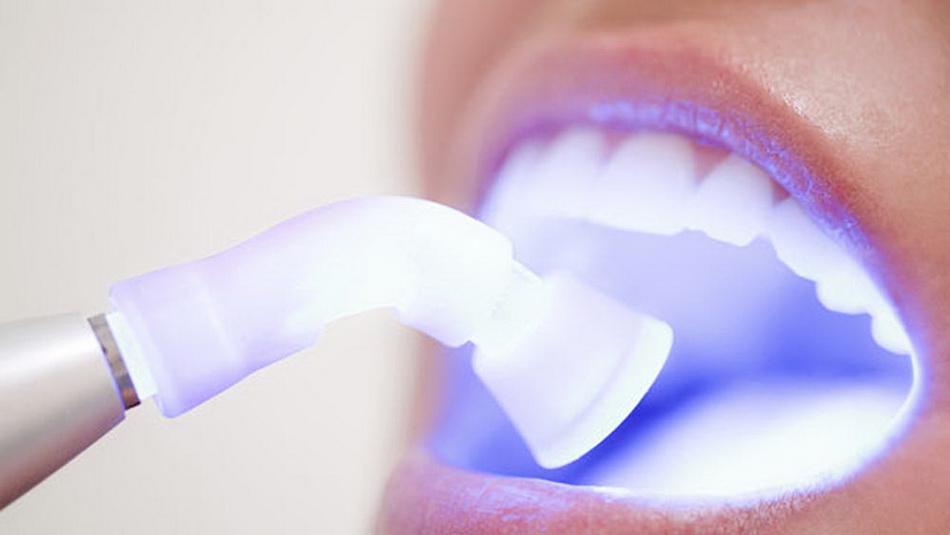
Laser technology in orthodontics is considered one of the latest innovations in the field of dentistry. This technology is regarded as a significant advancement due to the precision and effectiveness it offers in treating many dental problems, especially when used in orthodontic procedures. Laser contributes to improving the overall patient experience by reducing pain and shortening the recovery period. Laser can also be used to treat various dental issues such as teeth whitening and caries removal.
Thanks to this technological advancement, laser treatment has become an important part of modern dental practice.
What is laser orthodontics?
Laser orthodontics is a modern technique in which laser beams are used to align teeth and adjust their positions through non-surgical methods or by minimizing surgical intervention. Laser helps accelerate the healing process and reduce damage that may be caused by traditional methods such as using a scalpel in minor surgeries.
The dentist can use laser in various orthodontic procedures to facilitate tooth movement and make the treatment more comfortable and less painful for the patient.
What is the laser technology used in orthodontics?
Laser technology in orthodontics relies on different types of laser devices that can be used for multiple purposes, such as:
- Soft tissue laser: used to treat gum problems and the tissues surrounding the teeth, where the laser can be used to remove excess gum tissue or reshape the gum around the teeth.
- Hard tissue laser: used in cases of removing or reshaping part of the bone to adjust tooth positions.
Laser treatment provides a precise and effective way to improve orthodontic results and reduce treatment time.
Reasons for choosing laser orthodontics
Laser orthodontics is an ideal option for many patients who suffer from problems in the position of teeth or gums, especially those looking for advanced solutions without the need for traditional surgery
- The desire to reduce pain associated with surgical interventions.
- Accelerating the healing process and reducing the recovery period after surgery.
- Using laser in cases such as removing or reshaping excess gum tissue to facilitate wearing orthodontic appliances.
Benefits of laser orthodontics
Laser orthodontics offers many advantages that make it the preferred choice for many patients. أبرز these benefits include:
- Reducing pain: Laser significantly reduces pain compared to traditional surgical methods, helping patients enjoy a comfortable treatment experience.
- Reducing bleeding: Thanks to laser technology, bleeding during the procedure can be controlled, making the procedure safer.
- Fast recovery: Laser helps speed up the healing process noticeably, reducing the time the patient needs to recover.
- Reducing risks: Using laser reduces the need for sharp surgical tools, which lowers the chances of complications or infections.
Risks of laser orthodontics
Although laser technology offers many benefits, it may be associated with some minor risks such as:
- Possibility of irritation: In some cases, temporary irritation of the gums or surrounding tissues may occur after using the laser.
- Cost: Laser orthodontics may be more expensive compared to traditional methods as it is an advanced technology.
However, the risks associated with laser orthodontics are minimal compared to its many benefits.
How long does laser orthodontics take?
The duration of laser treatment depends on each patient’s condition, but in general, the use of laser can help reduce the duration of traditional orthodontic treatment.
Some cases may take from 6 to 12 months, while this period can be shorter when using laser due to accelerating tooth movement and stimulating the healing process.
Preventive steps when using laser technology in orthodontics
To ensure safety during laser treatment, some preventive measures must be taken such as:
- Wearing protective eyewear during sessions to prevent direct exposure to laser beams.
- Ensuring sterilization of the tools used in treatment.
- Choosing a dentist specialized in laser technology to ensure proper application of the treatment.
Care tips after laser orthodontics
After completing laser orthodontics, it is important to follow care tips to ensure fast healing:
- Regular follow-up with the dentist: to maintain results and monitor healing progress.
- Careful cleaning of teeth and gums: using a soft toothbrush and specialized toothpaste to maintain oral hygiene and avoid infections.
- Avoid hard foods: it is preferable to avoid hard or sticky foods after the first sessions to prevent irritation.
- Using medicated mouthwash: mouthwash helps clean the mouth and gums and maintain oral health after treatment.
FAQs
What is laser orthodontics, and how does it differ from traditional braces?
Laser orthodontics is a modern technique that utilizes laser energy as an adjunctive tool in orthodontic treatment, either to facilitate tooth movement or to modify surrounding soft and hard tissues. Unlike conventional orthodontics, which relies solely on the mechanical forces of wires and brackets, laser technology is used for:
- Gingival fiberotomy: Cutting supracrestal fibers to accelerate tooth movement and reduce relapse potential.
- Gingivectomy / Gingivoplasty: Reshaping gingival tissue to improve aesthetics and create more space for tooth alignment.
- Corticotomy / Piezocision: Modifying alveolar bone to stimulate bone remodeling and shorten treatment time.
- The key difference: traditional orthodontics depends on natural biological bone turnover, whereas laser therapy biologically stimulates this process, significantly reducing overall treatment duration.
Does laser orthodontics reduce braces treatment time?
Yes, significantly. One of the most compelling benefits of laser orthodontics is its ability to reduce treatment duration by 30–50% in many cases. This is achieved through:
- Alveolar bone stimulation: Low-level laser therapy (LLLT) stimulates osteoblast and periodontal ligament cell activity, allowing teeth to move faster within their bony sockets.
- Reduced soft tissue resistance: Severing elastic supracrestal fibers minimizes the recoil force that pulls teeth back toward their original positions.
It is important to note: lasers do not move teeth directly. They serve as an adjunctive therapy integrated with fixed or removable orthodontic appliances.
Is laser orthodontics painful, and does it require anesthesia?
No, the procedure is virtually painless. A major advantage of laser orthodontics is substantial pain reduction compared to conventional scalpel surgery. Laser technology offers:
- Self-anesthesia: The laser beam seals small blood vessels and nerve endings as it cuts, minimizing both bleeding and postoperative discomfort.
- Suture-free procedures: Most laser procedures do not require sutures because the laser achieves immediate hemostasis.
In most cases, only topical anesthesia or anesthetic gel is needed, without injections. Patients may feel mild warmth or a slight tingling sensation, but no sharp pain.
hat are the risks of laser orthodontics, and is it safe?
Laser orthodontics is considered very safe when performed by a laser-certified dental professional. However, as with any medical procedure, minor risks exist:
- Transient irritation: Mild redness or swelling of the gingiva that subsides within 24–48 hours.
- Temporary pigmentation changes: Rarely occurs in darker gingival tissues.
- Higher cost: Laser technology requires specialized equipment and advanced training, increasing the price compared to conventional methods.
- Ocular hazards: If proper protective eyewear is not used by both patient and operator.
For safety: Ensure your clinic uses FDA-approved or CE-marked laser devices, and that your orthodontist holds a certification in dental laser applications.