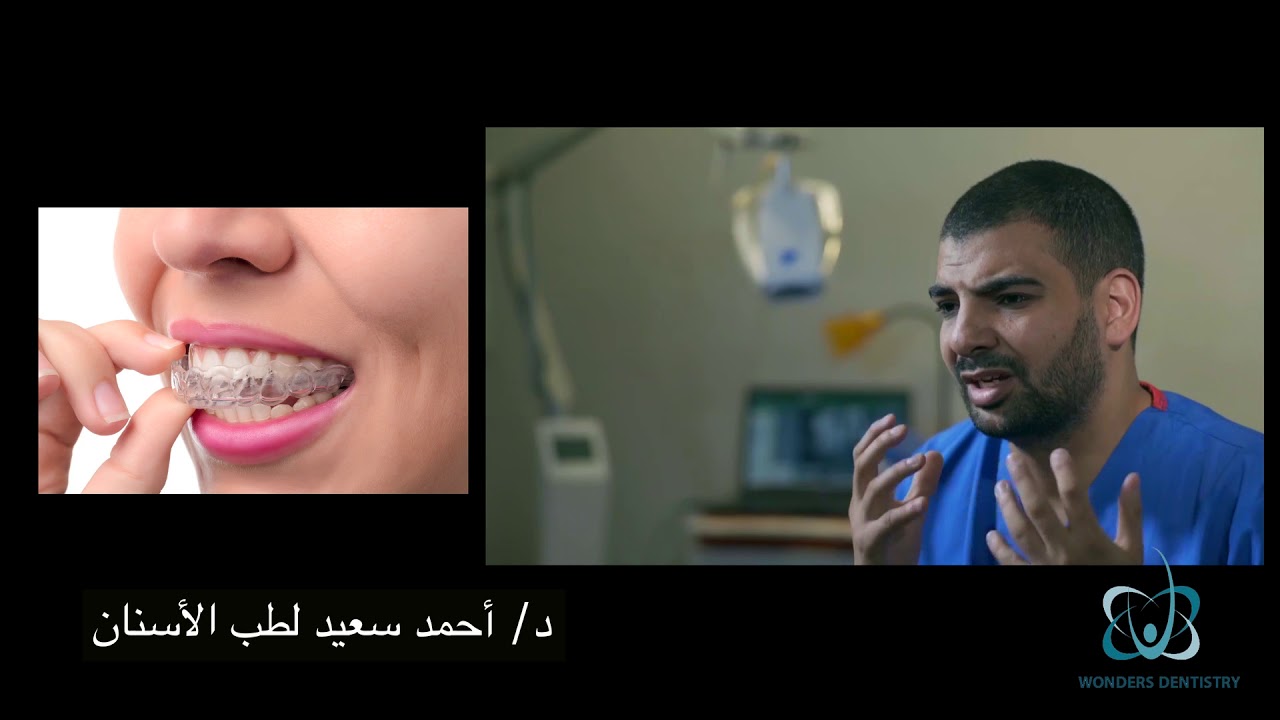


Although orthodontic treatment is considered an effective solution for achieving a healthy and well-aligned smile, a large percentage of patients feel anxious before getting braces. According to statistics, 30% of patients delay starting orthodontic treatment due to concerns related to pain, appearance, or potential harm to oral health. But are these concerns justified? In this article, we will discuss in detail the disadvantages of orthodontics and how they can be avoided through proper guidance and good care.
Common disadvantages of orthodontics
Pressure pain on teeth:
After braces are placed, most patients feel pain or pressure on the teeth, especially during the first few days after each tightening session. This pain usually lasts from 3 to 5 days and can be managed using pain relievers prescribed by the orthodontist. The pain is a natural part of the tooth movement process and is not an indication of a serious problem.
Difficulty eating and maintaining hygiene:
At the beginning of orthodontic treatment, some patients experience difficulty eating or cleaning their teeth properly. Hard and sticky foods may get trapped between the wires, increasing the risk of dental caries. So, it is recommended to use a special orthodontic toothbrush and medical dental floss designed to clean tight spaces between teeth and wires.
Ulcers caused by wires:
Metal wires may rub against the gums or lips, causing uncomfortable oral ulcers, especially during the first weeks of treatment. Using orthodontic wax can reduce these irritations and give the tissues a chance to heal.
Disadvantages according to the type of orthodontic treatment
1- Fixed metal braces:
Fixed metal braces are the most traditional and commonly used type of orthodontic treatment and are effective in complex cases. However, they are the most noticeable aesthetically and may cause irritation to the inner lips and cheeks due to friction from the brackets. One of the main disadvantages is that food accumulation around the brackets increases the risk of tooth decay and gingivitis, especially if proper cleaning tools are not used daily.
2- Ceramic braces:
Ceramic braces are characterized by their color, which is close to the natural tooth color, making them less visible than metal braces. However, ceramic is more fragile and may crack or break easily when eating hard foods. In addition, the brackets may change color over time, especially with frequent consumption of colored beverages such as coffee and tea, due to their lower resistance to staining compared to titanium.
3- Clear aligners:
Clear aligners are a modern esthetic solution, as they can be removed during eating or brushing, reducing hygiene-related problems associated with traditional braces. However, they require high compliance, as they must be worn for at least 20 to 22 hours daily to ensure treatment effectiveness. Some patients may experience dry mouth or increased salivation, in addition to the possibility that the aligners may not fit properly if not changed according to the treatment schedule.
4- Ceramic (porcelain) braces:
Porcelain braces are similar in appearance to ceramic braces but are more durable and less prone to staining. However, they may cause noticeable friction with the gums and internal oral tissues, leading to painful ulcers in some patients, especially at the beginning of treatment or after tightening sessions.
5- Lingual (internal) braces:
Lingual braces are fixed behind the teeth on the inner (lingual) side, making them completely invisible. Despite their esthetic advantages, they may cause difficulty in speech at the beginning of treatment, along with possible repeated tongue irritation. Cleaning them can also be more difficult due to their hidden position, increasing the risk of inflammation or plaque accumulation.
6- Removable metal braces:
Removable metal orthodontic appliances are often used for children or mild cases. Although they are easy to remove, their effectiveness mainly depends on the patient’s compliance with wearing them for long hours. Lack of compliance leads to failure in properly moving the teeth and may cause uneven pressure on the jaws, resulting in pain or continuous discomfort.
Rare but serious disadvantages
- Root resorption: In some cases, continuous pressure from orthodontic treatment may lead to resorption of the tooth roots, affecting their stability. This process is gradual and monitored through periodic radiographs.
- Failure to correct the bite: If the case is not properly planned, orthodontic treatment may fail to achieve correct occlusion between the upper and lower teeth, leading to problems in chewing or speaking. This usually results from improper appliance placement or lack of regular follow-up.
- Metal allergy: Some patients may have allergies to metals used in orthodontics, especially nickel. In such cases, clear aligners or metal-free options are preferred.
Tips to reduce the orthodontics disadvantages
Choosing the right dentist:
The most important step to avoid orthodontic complications is selecting a specialized orthodontist. It is preferable that they have proven experience, certified qualifications, and positive patient reviews.
Daily oral care tools:
Using specialized tools such as orthodontic floss and antiseptic mouthwash helps maintain oral hygiene and reduces plaque and bacterial accumulation.
Foods to avoid during orthodontic treatment:
Avoid nuts, chewing gum, caramel, and hard foods that may damage wires or break brackets. Also, avoid carbonated drinks that can weaken enamel and increase the risk of tooth decay.
Conclusion:
Despite the presence of some side effects of orthodontic treatment, most can be avoided or controlled when working with a qualified specialist and following instructions carefully. Do not let these concerns prevent you from treating misaligned teeth or achieving a healthy, well-aligned smile.
FAQs
Can orthodontics cause permanent damage to tooth roots?
In some cases, excessive force may lead to what is known as root resorption (shortening of root length). To avoid this, Wonders Dental Center relies on digital treatment planning. By calculating the precise biological force needed to move each tooth before starting, root health and stability are maintained throughout treatment.
Is it true that braces cause permanent white spots on teeth?
White spots result from plaque accumulation around brackets, leading to demineralization. To avoid this issue, clear aligners (Invisalign) are recommended for patients concerned about oral hygiene. Since they are removable, you can brush and floss normally, eliminating the risk of stains or white spots.
Does wearing braces increase the risk of gum recession?
If teeth are moved too quickly or beyond the bone limits, gum recession may occur. Specialists at Wonders Dental Center use 3D CBCT imaging to assess bone volume before treatment. This approach ensures teeth remain within biological limits, protecting the gums from recession.
What is the most common “hidden” problem after completing orthodontic treatment?
The most common issue is relapse, or teeth returning to their previous position. Many believe treatment ends once braces are removed. To prevent this, custom digital retainers are provided, designed with precise 3D technology to maintain your smile in its ideal position long-term, eliminating the need for retreatment.