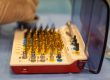


Surgical extraction of teeth is a medical procedure that requires high precision and expertise, especially in complex cases such as impacted wisdom teeth or teeth broken below the gum line. This article aims to provide a comprehensive guide about surgical extraction, starting from the cases that require this type of extraction, passing through preparations and procedures, and reaching the latest techniques used and post-operative care.
In some cases, simple extraction is not sufficient to remove the tooth, which requires surgical intervention. This includes cases in which the tooth is fully or partially impacted inside the bone, or when the tooth roots are curved or broken. Surgical extraction requires opening the gum and removing part of the surrounding bone to access and remove it safely.
When does surgical extraction become necessary?
Impacted teeth (especially wisdom teeth):
Impacted wisdom teeth are considered one of the most common cases that require surgical extraction, as these teeth grow at an incorrect angle or remain trapped inside the bone, causing pain and inflammation.
Broken teeth below the gum line:
When a tooth breaks below the gum line, it becomes difficult to remove it using traditional methods, which requires a surgical procedure to open the gum and remove the tooth.
Teeth with curved roots:
Curved or multiple teeth roots may hinder simple tooth extraction and require surgical intervention to avoid breaking the roots or surrounding bone.
Severe gum inflammation cases:
In some advanced gum inflammation cases, it may be necessary to surgically extract the affected teeth to maintain overall oral health.
Difference between regular tooth extraction and surgical extraction
Regular tooth extraction is performed when the tooth is visible and easily accessible, and it is removed using simple instruments. Surgical extraction, however, requires opening the gum and possibly removing part of the surrounding bone, and is used in complex cases where the tooth cannot be removed by conventional methods.
Surgical extraction procedures are used to remove teeth and include additional “surgical” steps that are not performed during routine extraction. These added steps may include:
Surgical incision in gum tissue:
In this procedure, an incision is made to define a portion of gum tissue. The tissue area is then reflected backward, allowing the dentist access to the bone tissue and the tooth underneath.
Bone removal (osteotomy):
Removal of bone tissue may be required to give your dentist better access to the tooth or a better view of it. Or an opening may need to be created through which the tooth is removed.
Tooth sectioning:
This is a surgical procedure in which the tooth is cut into pieces so that it can be removed more easily.
Preparation for surgical extraction
Required examinations (panoramic X-ray, blood tests): Before surgical extraction, the patient is asked to perform a panoramic X-ray to evaluate the position of the tooth and its roots, in addition to blood tests to ensure there are no health problems that may affect healing.
Pre-operative instructions (fasting, medications): Patients are advised to fast for 6–8 hours before the procedure if general anesthesia is used. The dentist must also be informed of all medications the patient is taking, and some medications may need to be temporarily stopped.
Anesthesia options (local anesthesia, general anesthesia): The type of anesthesia depends on the complexity of the case and patient preference. Local anesthesia is used in simple cases, while general anesthesia or intravenous sedation is preferred in complex cases or for patients with severe anxiety.
Steps of surgical extraction
- Anesthesia: the patient is given appropriate anesthesia to ensure no pain is felt during the procedure.
- Gum incision: a small incision is made in the gum to access the tooth and surrounding bone.
- Removal of surrounding bone: part of the surrounding bone is removed using special instruments to facilitate extraction.
- Tooth sectioning: in some cases, the tooth is divided into small parts to make removal easier.
- Wound cleaning and sterilization: after removing the tooth, the wound is cleaned and disinfected to prevent infection.
- Suturing: the gum is sutured using absorbable or traditional stitches depending on the case.
Latest surgical extraction techniques
Surgical laser (reducing bleeding and swelling):
Laser is used in some cases to reduce bleeding and swelling, and it also helps speed up healing.
Ultrasound waves (for precise bone removal):
Ultrasound waves are used to break down bone around the tooth with high precision, reducing damage to surrounding tissues and speeding up healing.
Computer-guided surgery (for highly complex cases):
3D imaging technologies are used to plan the procedure accurately, reducing risks and speeding up recovery time.
Smart sutures (self-dissolving and do not require removal):
Self-dissolving sutures are used, eliminating the need for a follow-up visit to the dentist for removal.
Post-operative care after tooth extraction surgery
First 24 hours:
- Complete rest: rest is recommended and avoiding strenuous physical activities
- Bleeding control: placing gauze on the extraction site and applying pressure to stop bleeding
- Cold compresses: to reduce swelling, apply cold compresses on the cheek for 10 minutes every hour
First week:
- Avoid hard foods: eat soft foods and avoid chewing on the extraction side
- Maintain oral hygiene: brush gently and avoid the extraction area
- Take prescribed medications: follow antibiotics and painkillers as prescribed by the dentist
Follow-up:
- The dentist schedules a follow-up visit after one week or depending on the case to ensure wound healing and absence of complications.
Possible complications and their treatment
Bleeding: If bleeding continues, apply clean gauze and contact the doctor if it does not stop within 24 hours.
Bone infection: Bone infection causes severe pain and swelling, and is treated with antibiotics and may require wound cleaning.
Dry socket: Occurs when a blood clot does not form at the extraction site, causing severe pain. It is treated with medicated dressings and painkillers.
Nerve damage: In rare cases, nerve damage near the extraction site may occur, causing numbness or tingling. It usually improves over time, and in some cases may require additional treatment.
Conclusion
Surgical extraction of teeth is a necessary procedure in some complex cases and requires careful preparation and special post-operative care to ensure fast healing and avoid complications. It is important to follow the dentist’s instructions and adhere to post-care guidelines to ensure the best results. If you are experiencing a problem with one of your teeth and believe you may need surgical extraction, it is recommended to contact a specialist dentist to evaluate the case and make the appropriate decision.
FAQs
What is the difference between surgical extraction and regular tooth extraction?
Regular extraction is performed for visible teeth that are easy to access. Surgical extraction is used when the tooth is completely broken below the gum line or impacted inside the bone. At Wonders Dentistry, we use very precise instruments to section the tooth and remove it in small parts, which protects surrounding bone and reduces post-operative pain.
How does atraumatic extraction help if I plan for dental implants later?
The biggest challenge after extraction is jawbone loss. Through atraumatic extraction, we preserve the thin walls of the “tooth socket” without breaking them. We often perform socket preservation by placing a simple bone graft immediately after extraction, which maintains jaw volume and makes future dental implants easier and more successful.
Will I experience significant swelling after surgical extraction?
Swelling is a natural body response, but we minimize it using piezosurgery instead of traditional drills. This technology works only on hard tissues and does not injure soft tissues or nerves, significantly reducing bleeding and swelling. With our instructions and post-operative laser therapy, recovery is smooth.
What is the importance of PRF (Platelet-Rich Fibrin) in dental surgery?
PRF is a revolution in regenerative dentistry. We draw a simple blood sample from the patient and concentrate natural growth factors, then place it in the extraction site. This biological “plug” acts as a healing accelerator membrane, reduces the risk of dry socket, and significantly reduces pain by helping the body regenerate tissue faster.