

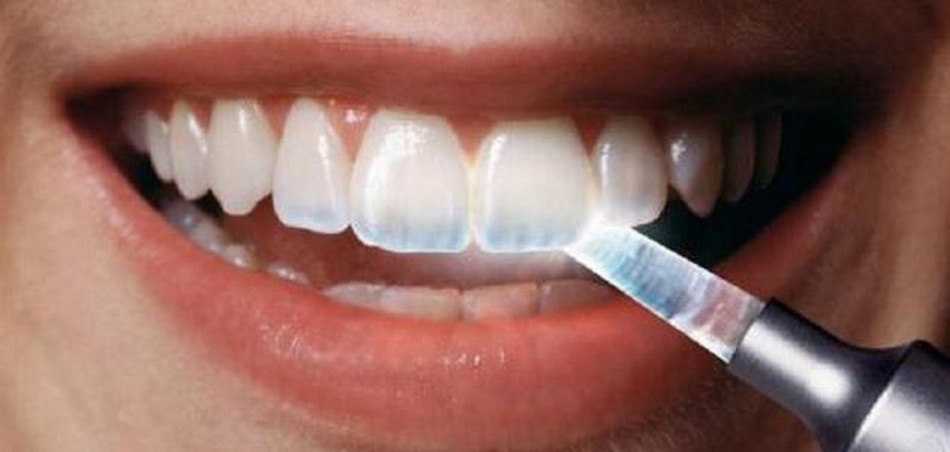
Tooth enamel is the outer covering of the teeth, and it works as a protective shield against many environmental influences. It is the most mineral-rich and hardest substance in the tooth and even in the human body. Most of its composition consists of tightly bonded hydroxyapatite crystals, which provide remarkable strength for biting and chewing. Enamel functions in providing the aesthetic shape of the teeth, providing hardness, protecting the internal tooth tissues from dentin and pulp, and finally insulating the tooth from external factors such as heat and cold that affect the response of dentin and pulp.
What is micro enamel microabrasion (micro enamel abrasion)?
Micro enamel microabrasion, also known as enamel abrasion, is a cosmetic dentistry technique that removes superficial discoloration stains from the enamel surface of the teeth. This non-surgical treatment is often used to improve the appearance of teeth that have stains caused by excessive fluoride exposure or certain medications.
What is the difference between micro enamel microabrasion and other whitening methods?
1- Mechanism of action:
Microabrasion: It is a mechanical procedure that involves removing a thin layer of enamel using an abrasive material and a mild acid. This process removes surface stains on the enamel, revealing the underlying enamel that has not been exposed to discoloration.
Whitening: It is a chemical process that uses bleaching agents such as hydrogen peroxide or carbamide peroxide to break down and remove stains within the tooth structure. These agents penetrate the tooth and oxidize colored molecules, resulting in an overall lightening of tooth color.
2- Type of stains:
Microabrasion: It is effective in removing surface stains (on the outer layer) of the enamel, such as those caused by mild fluorosis or certain medications.
Whitening: Whitening is effective for both external stains (on the tooth surface) and internal stains (within the tooth structure). It can treat a wide range of discoloration issues, including those caused by aging, tobacco use, or dark-colored beverages.
3- Removal of tooth structure:
Microabrasion: It removes a thin layer of enamel during the procedure. Although the amount removed is minimal, it is still considered, especially for individuals with thin enamel.
Whitening: Whitening does not involve removal of tooth structure. It works by changing the color of the existing enamel and dentin without removing any enamel during the process.
4- Treatment duration:
Microabrasion: It usually requires a few sessions to achieve the desired results, depending on the severity of stains and treatment effectiveness.
Whitening: In-office whitening procedures often take about one hour, providing immediate results.
5- Tooth sensitivity:
Microabrasion: It may cause tooth sensitivity, especially immediately after the procedure, due to the removal of a thin layer of enamel.
Whitening: Whitening can also cause tooth sensitivity, especially during treatment. However, the sensitivity usually subsides after treatment is completed.
Steps of micro enamel microabrasion
- Patient examination: The dentist first performs a comprehensive examination of the patient’s teeth to assess the nature and extent of staining.
- Preparation: The teeth are cleaned and dried, and the surrounding gum tissues are protected using a rubber barrier.
- Acid gel application: A mild acidic gel, usually containing hydrochloric acid, is applied to the stained areas of the enamel. The acid helps dissolve the outer enamel layer where stains exist, while abrasive particles help remove the discolored enamel.
- Abrasion and polishing: Using a rotating dental instrument, the dentist mechanically removes the stained enamel layer and continues until the stains are sufficiently reduced or removed.
- Rinsing and evaluation: The acid gel mixture is thoroughly rinsed, and the dentist evaluates the tooth to determine whether the desired level of stain removal has been achieved.
- Fluoride application: After microabrasion, a fluoride varnish or gel may be applied to the treated teeth. Fluoride helps remineralize the enamel and reduce any post-procedure sensitivity.
- Post-procedure care: Patients are provided with post-treatment instructions, including oral hygiene and dietary recommendations. It is essential to avoid staining substances such as coffee, tea, and tobacco immediately after the procedure to maintain results.
Who are suitable candidates for micro enamel microabrasion?
Patients who have superficial tooth discoloration in the outer enamel layers and have adequate enamel thickness.
Benefits of micro enamel microabrasion
Microabrasion is a non-surgical treatment that preserves most of the tooth structure:
- Aesthetic improvements: This procedure can significantly improve the appearance of stained teeth, enhancing the patient’s smile.
- Quick results: In many cases, patients can notice visible changes in tooth color after just one or two sessions.
Disadvantages of micro enamel microabrasion
Microabrasion is only effective in removing surface stains on the outer enamel layer. Deeper or intrinsic stains may require additional procedures such as dental bonding or veneers:
- Enamel thickness: A small layer of enamel is removed during treatment. It may not be suitable for individuals with thin enamel or a history of enamel erosion.
- Sensitivity: After the procedure, some individuals may experience temporary tooth sensitivity.
Oral care tips after micro enamel microabrasion
- Gentle brushing: Brush your teeth gently using a soft-bristled toothbrush. Avoid aggressive brushing, especially in the treated area, to prevent irritation. Use fluoride toothpaste to strengthen enamel and prevent cavities.
- Warm saltwater rinsing: Rinse your mouth with warm saltwater several times a day. This helps reduce inflammation and promotes healing. Mix half a teaspoon of salt in a cup of warm water and use it as a mouth rinse.
- Avoid hot, spicy, and acidic foods: Avoid hot, spicy, and acidic foods and beverages for a few days after the procedure.
- Avoid hard and crunchy foods: Stay away from hard and crunchy foods that require excessive chewing. Choose soft and easy-to-chew foods to avoid pressure on the treated enamel.
- Avoid smoking: Avoid smoking as it may interfere with healing and irritate the treated area.
- Use desensitizing toothpaste: If you experience tooth sensitivity after microabrasion, consider using desensitizing toothpaste. These formulations can help reduce sensitivity over time.
- Avoid whitening products: Refrain from using teeth whitening products, including whitening toothpaste and over-the-counter whitening kits, for a period after the procedure. Consult your dentist for specific recommendations regarding whitening after microabrasion.
FAQs
What are the “white spots” treated by micro enamel microabrasion?
These spots are usually caused by enamel hypoplasia or dental fluorosis (excess fluoride during tooth development). They are areas where enamel did not properly mineralize. Microabrasion gently removes these superficial defects using a specially formulated abrasive acid paste, revealing the healthy and uniform enamel beneath.
Is microabrasion painful or does it cause excessive sensitivity?
The procedure is completely painless and does not require anesthesia in most cases. Since only a microscopic layer (less than 0.1 mm) is removed, it does not affect the tooth nerve or the sensitive dentin layer. At Wonders dentistry, we follow microabrasion with a remineralizing paste rich in calcium and phosphate to strengthen the new surface and prevent sensitivity.
What is the difference between microabrasion and traditional teeth whitening?
Teeth whitening uses oxygen to lighten internal pigments, while microabrasion physically removes surface defects and irregularities. Sometimes whitening can make white spots more visible, while microabrasion blends and hides them. We often combine both techniques; we start with microabrasion to smooth the surface, followed by whitening for an ideal and uniform result.
Are the results of micro enamel microabrasion permanent?
Yes, the results are permanent. Unlike whitening, which may fade over time due to food exposure, microabrasion physically removes the stained tissue. Once the tooth surface is polished and smoothed, it becomes more resistant to future staining and bacterial buildup, making it a long-term solution for many cases in a single session.