

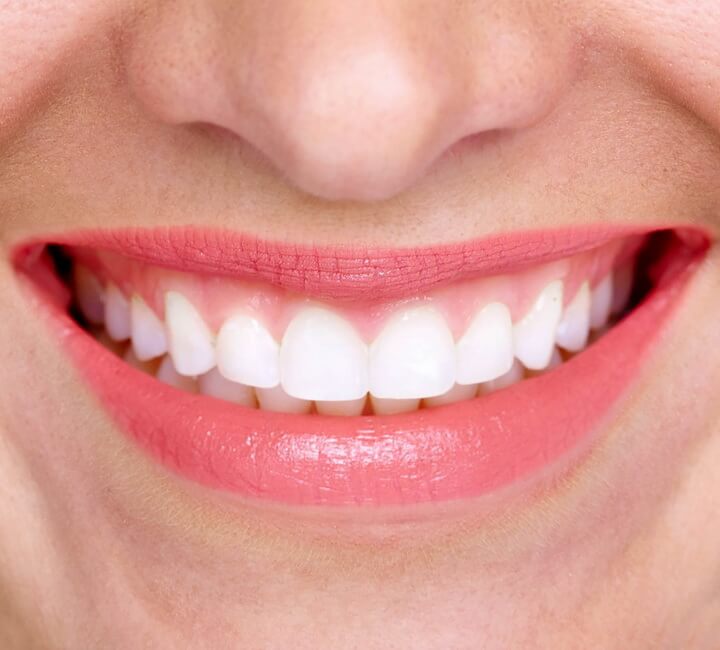
Who among us does not want to have a healthy smile with a consistent shape and color and wants internal teeth whitening, of course all of us, and this is because the smile plays a major role in our self-confidence and in the impression of strangers and even relatives initially about us, even if they do not explicitly state the beauty of your teeth, the teeth or the smile is located in the lower third of the face and has a large area in our final appearance, so of course the person in front of you will notice or you will notice yourself your smile when laughing automatically and also when speaking if there is a problem such as internal tooth discoloration.
Therefore, it is very necessary to obtain healthy white teeth and this has become very easy in the world of cosmetic dentistry and modern medicine from external and internal whitening to veneers, crowns, and dental implants.
Tooth discoloration is one of the most common aesthetic problems that many people suffer from, as it can affect self-confidence and overall appearance. Although most cases of discoloration are associated with external stains resulting from consuming food and drinks or smoking, there are cases where the cause is internal, making treatment different and more complex. Here comes the role of internal teeth whitening as one of the effective medical procedures provided by the dentist to deal with cases of internal tooth discoloration directly and accurately.
Through this article, we learn how to obtain a bright white smile through internal whitening of internally discolored teeth.
What are internally discolored teeth?
Internal tooth discoloration is a type of staining that originates from inside the tooth and affects the internal layers, unlike external stains that appear on the outer surface of the tooth and are removed through routine dental cleaning and external whitening or even using veneers and fixed dental restorations, internal stains settle inside the tooth and are not treated by external cleaning or external whitening, therefore dealing with them is more difficult.
What is internal teeth whitening?
Internal whitening, also known as non-vital teeth whitening since its common cause is tooth death whether from the beginning or after root canal treatment, is a cosmetic dentistry technique used for internal teeth whitening. It is used on teeth that have undergone root canal treatment and have changed color since then as a result of trauma or disease or aging and this procedure is carried out under the supervision of a dentist experienced in whitening.
Internal tooth discoloration has different causes and may occur for some people after root canal filling and some people do not experience it, but it occurs in teeth that have been exposed to a bruise or blow that led to the interruption of blood supply to the tooth (tooth death), which makes it gray in varying shades depending on the strength of the bruise, the thickness of the enamel and dentin layer, and the time when the tooth was bruised.
During this procedure, the tooth is opened from the inside and the whitening material is placed inside the pulp chamber, so that it works to lighten the color gradually from the inside to the outside.
What is the difference between internal teeth whitening and regular teeth whitening?
External stains appear on the outer surface of the teeth and are usually caused by external sources such as:
- Food and drinks: some foods and drinks, such as coffee, tea, and colored fruits, can lead to staining of tooth enamel over time.
- Tobacco use: smoking or chewing tobacco can lead to yellow or brown stains on the teeth.
- Poor oral hygiene: not brushing and flossing your teeth sufficiently can lead to plaque buildup, which may lead to discoloration if not removed promptly.
- Mouthwashes: mouthwashes containing chlorhexidine or cetylpyridinium chloride may cause external discoloration after continuous use.
- Environmental factors: tooth discoloration resulting from exposure to excessive amounts of fluoride during tooth development, especially in young people, is known as dental fluorosis and discoloration.
The fundamental difference between the two methods lies in the cause and the target location:
- Regular teeth whitening: focuses on the outer layer of the teeth, and is done using laser teeth whitening, Zoom teeth whitening, or even specialized whitening toothpastes. It is effective for stains resulting from consuming foods or drinks that cause yellowing of the teeth.
- Internal teeth whitening: applied only to teeth that have undergone internal discoloration after root canal treatment or internal problems. A whitening material is inserted inside the tooth to absorb stains from their roots.
Therefore, choosing the type of whitening depends on the diagnosis of the case by the dentist, the depth of the stain, and its source.
Causes of internal tooth discoloration
- Root Canal Treatment: after root canal filling, internal discoloration may occur due to blood remnants or filling materials.
- Nerve death: leads to the breakdown of pulp tissue inside the tooth, causing dark internal discoloration.
- Injuries: exposure to a direct injury to the front teeth for example may cause internal bleeding and gradual color change.
- Deep tooth decay: if not treated, it may reach the pulp and cause internal structural discoloration of the tooth.
- Prolonged use of tobacco and caffeine: leads to surface stains that may penetrate enamel and dentin layers over time.
- Trauma: injuries or accidents that affect the nerve or blood vessels in the tooth can lead to discoloration, which appears as a gray or dark tooth.
- Amalgam fillings: long-standing amalgam fillings lead to the spread of gray discoloration to cover the dentin layer from the inside until it becomes visible from the transparent enamel layer on the outside, you should know that this type is considered internal discoloration because it started from the inside due to amalgam fillings and not from the outside.
- Some medications: including antibiotics (such as tetracycline), blood pressure medications (such as antipsychotics), and chemotherapy, can cause tooth discoloration.
- Genetics: for genetic reasons, some people have lighter or darker teeth than usual.
Treatment options: how can internal teeth whitening be done?
1. Traditional teeth whitening (in-clinic / at home)
In this method, the teeth are cleaned well from surface stains using medical whitening materials, it includes options such as Zoom teeth whitening or laser teeth whitening where the whitening agent is activated by light. It is effective for external stains and not necessarily useful for internal stains.
2. Internal teeth whitening (Internal Bleaching)
It is considered the direct and effective option for root canal treated teeth that have changed color, the dentist opens the tooth chamber after ensuring that the root canal filling is tightly sealed, then places the whitening material inside it.
The material is left for a certain period with replacement until reaching the desired result. Finally, the tooth is closed with a cosmetic dental filling that preserves the result.
3. Porcelain veneers (Veneers)
They are thin cosmetic shells made of porcelain or E-max material and are very thin, they are specially fabricated after preparing the tooth and taking measurements, then they are bonded to the front surface of the tooth to hide internal stains from the outside and improve the appearance of the tooth. They are considered one of the most common fixed dental restorations.
They are used when whitening techniques do not achieve an ideal result, they are thin shells bonded to the front teeth to cover discoloration, providing a natural appearance and lasting for long periods.
4. Dental crowns (Crowns)
Dental crowns, also known as caps, can be used to restore the shape, size, and color of the tooth, crowns are used to cover severely discolored teeth or teeth that have undergone root canal treatment.
It is an option that the dentist resorts to if the tooth is weak or damaged, it is fully covered with a ceramic crown that gives it a natural color and shape and protects it from fracture.
5. Dental filling
Placing tooth-colored composite material on the tooth and shaping it to cover the discolored area, resulting in a natural appearance due to the high aesthetic properties of composite, it is a suitable option for a period not exceeding five years and after that you will need to replace the dental filling with another filling.
Advantages of treatments for internally discolored teeth whitening
One of the main benefits of internal whitening is that it preserves most of the natural tooth structure. Internal whitening, unlike alternatives such as dental crowns or veneers, minimally affects the tooth and preserves its integrity. Another advantage is that it provides impressive results after completing the treatment.
Disadvantages of treatments for internally discolored teeth whitening
While internal whitening has various benefits, it is important to note its limitations, some stains may not respond well to this procedure, which requires other treatments such as veneers or crowns.
Patients may also experience slight tooth sensitivity after the procedure, individuals should have realistic expectations regarding the result and consult dentists for a comprehensive evaluation.
Steps of internal teeth whitening
- Dental examination: the first step involves conducting a comprehensive dental examination, the dentist evaluates the discolored tooth, the cause of its discoloration, and its general condition. X-rays may be performed to assess the tooth roots and surrounding structures.
- Local anesthesia: local anesthesia may be administered to numb the tooth and surrounding area, ensuring patient comfort during the procedure.
- Tooth isolation: the dentist places a rubber dam around the affected tooth to isolate it and keep it dry during the procedure. Isolation prevents saliva and other contaminants from interfering with the whitening process.
- Creating access opening: the dentist creates a small opening in the inner part of the tooth, usually through the crown, to access the pulp chamber and root canals. This access point allows the introduction of whitening agents into the tooth.
- Cleaning the inner part of the tooth: any debris or remaining pulp tissue inside the tooth is removed to create a clean environment for the whitening agent. The dentist carefully cleans the inside of the tooth using specialized tools.
- Applying whitening gel: a whitening gel composed of hydrogen peroxide or sodium perborate is placed.
- Closing the access opening: the access opening created in the tooth is sealed with a temporary or permanent filling to prevent bacteria from entering the tooth and to protect the treated area.
- Monitoring and multiple sessions (if necessary): the whitening process takes place over several days or weeks. During this period, the dentist monitors the progress of the internal whitening.
- Evaluation and restoration (if necessary): after achieving the desired level of whitening, the appearance of the tooth is evaluated. If the tooth requires additional restoration
What about internal whitening of vital teeth? Are there solutions?
The term “internal whitening of vital teeth” is not medically accurate, because vital teeth are not opened or a whitening material is not inserted inside them. However, if there is slight internal discoloration in vital teeth, it can be managed through:
- Laser teeth whitening or Zoom sessions.
- Using whitening toothpaste twice daily to maintain results.
- In resistant cases, the dentist may recommend veneers or cosmetic crowns.
- Procedures to be done before internal teeth whitening
- Comprehensive dental examination to ensure there is no decay or gum inflammation.
- Cleaning the teeth from tartar and plaque to achieve better results.
- Ensuring the root canal filling is well sealed.
- Discussing all treatment options with the dentist before starting.
Is internal teeth whitening safe?
Yes, it is considered a safe procedure if performed by a specialized dentist and using approved materials. However, there are points to consider:
- The tooth may become slightly weaker after the procedure, so it requires special care.
- The procedure should not be repeated excessively to avoid damage to the tooth structure.
- Cosmetic restorations can be used as a long-term solution if discoloration returns.
How long do Internal Bleaching results last?
The duration of internal whitening treatment varies depending on several aspects, including the severity of the stain, the concentration of the chemical whitening agent (whitening gel) medically called (hydrogen peroxide), and the desired results of the patient. Usually, the entire procedure takes a few weeks and requires several appointments.
During each appointment at the dental clinic, the dentist evaluates the progress and makes any adjustments to the treatment plan and ensures patient comfort, it is also important to maintain oral hygiene habits to keep your healthy white smile by brushing teeth twice daily and using mouthwash and dental floss daily.
The duration of results varies depending on the cause of discoloration and the level of oral care, usually results may last from several months to years. To maintain them, it is recommended to:
- Avoid excessive consumption of foods and drinks that cause yellowing of teeth such as coffee and tea.
- Brush teeth twice daily using suitable toothpaste.
- Visit the dentist regularly for check-ups and cleaning.
Conclusion
Internal tooth discoloration is one of the problems that are difficult to treat with traditional methods, but medical advancements have provided effective solutions such as internal teeth whitening that restores the natural color of the tooth and significantly improves appearance. However, accurate diagnosis by the dentist remains the most important step in choosing the appropriate treatment between internal whitening or cosmetic restorations.
Restore your smile with confidence… start your first steps with us at Wonders dentistry. Book your consultation now.
FAQs
Why did my tooth turn dark after root canal treatment, and can it be fixed?
The tooth turns gray or brown after root canal treatment due to remnants of dead tissue or old filling materials inside the pulp chamber, causing internal discoloration. Yes, it can be fixed. At Wonders dentistry, we use the “Walking Bleach” technique. We place a whitening material inside the tooth (behind the filling) to break down these deep stains from the inside out, restoring the tooth’s natural color.
Is internal whitening safer than veneers for one dark tooth?
In general, yes, because it preserves the tooth. Veneers require removing a layer of healthy enamel to place the shell. Internal whitening preserves your natural tooth structure. However, safety depends on the technique. We place a special “Cervical Barrier” at the base of the filling to prevent leakage of the whitening material into the root, ensuring the safety and effectiveness of the procedure.
Will the dark color return again in the future?
Internal whitening results last for many years, but the dark color may slowly return over the long term (often 5-10 years) because the tooth is non-vital. The good news is that the procedure can be easily repeated. To ensure the longest stability, at Wonders dentistry we ensure that the final filling is tightly sealed to prevent any bacteria from re-entering.