
Each tooth in the upper or lower jaw has a designated place within the jawbone. The gum tissues help maintain this ideal position. In a perfect condition, the teeth are aligned next to each other in a relatively straight and harmonious way with the jaw and its size. Each tooth sits exactly in its allocated space without twisting or misalignment inside the jaw, and the rest of the teeth are similarly aligned side by side in harmony with the jaw and its muscles.
Imagine an empty space that only fits five people, but we decide to add five more people into the same space. How would you feel in that situation? A sense of tightness? Would you be able to stand comfortably, or would you struggle and need to twist slightly just to fit? The situation would likely feel uncomfortable.
Well, what happens here is a crowding condition due to limited space or exceeding its normal capacity, and this is exactly what happens in the teeth when there is insufficient space or an increase in their number within the jaw. In some cases, teeth deviate from ideal alignment, and this deviation causes tooth crowding and its many other problems. Tooth crowding results from multiple different factors and causes, which we will mention in detail.
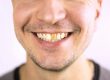
When there is not enough space inside the jaw to accommodate all permanent teeth, some teeth erupt partially or fully displaced, or overlap significantly with adjacent teeth. This crowding may be anterior or posterior, upper or lower, and it often appears in the front teeth that define the smile appearance.
Degrees of tooth crowding
Are there different types of tooth crowding? Yes, there are several types depending on different factors, and crowding is classified accordingly:
Mild (1–3 mm): A slight misalignment of teeth that is not easily noticeable, but it becomes a risk factor with age. It usually results from slight rotation of one of the front teeth in either jaw. Treatment in these cases is relatively simple and may require minimal cosmetic adjustments or even no intervention.
Moderate (4–6 mm): When two or three of the front teeth in one jaw are rotated or displaced, they become difficult to clean with a toothbrush and dental floss, leading to plaque accumulation and tooth decay.
Severe (>7 mm): Severe tooth crowding is a more complex type involving a larger number of overlapping teeth. Treatment in such cases is sometimes difficult and requires a precise treatment plan involving multiple dental specialties such as oral surgery, orthodontics, and prosthodontics.
There is also a second classification based on the location of crowding:
- Crowding affecting the upper jaw only
- Crowding affecting the lower jaw only
- Crowding in both upper and lower jaws (this is one of the more complex cases requiring coordinated treatment for optimal results)
Causes of tooth crowding
Are there problems of crowding? What are these causes and factors that directly and indirectly participate in tooth crowding and its spread among many teeth?
We will mention the causes and factors behind the problem of tooth crowding inside the jaw as described in the previous example:
- Small jaw size forces teeth to overlap due to lack of available space.
- Large tooth size compared to the jaw leads to natural imbalance.
- Jaw inconsistency, such as protrusion of the upper or lower jaw, contributes to tooth crowding.
- Early loss of primary teeth causes deviation of permanent teeth during growth, with no sufficient spaces for alignment of larger permanent teeth afterward.
- Bad habits such as thumb sucking or mouth breathing and use of a pacifier before age 3 directly affect tooth growth.
- Poor nutrition in childhood hinders normal growth of teeth and jaw and contributes to orthodontic problems later.
- Genetic hereditary causes: you may inherit a small jaw size compared to teeth from relatives or parents, making the jaw too small to accommodate teeth, causing crowding inside it. You may also inherit large teeth that crowd in their space inside the jaw.
- Tooth extraction: random extraction especially in children without using a space maintainer leads to tooth crowding and misalignment of teeth in the jaw.
- Extra teeth: presence of extra teeth than normal inside the jaw due to increased tooth buds beyond the usual number, leaving narrow space for teeth.
- Jaw and teeth accidents: exposure of the face to injury or trauma in accidents or falls may lead to loss of some teeth, leaving empty spaces where remaining teeth move, resulting in crooked teeth and change in smile shape.
- Wisdom teeth: impacted wisdom teeth inside the bone with lack of proper space for eruption may put pressure on adjacent teeth. This was one explanation for tooth crowding due to pressure, but recent scientific studies have proven that there is no relationship between impacted wisdom teeth and tooth crowding.
Complications of neglecting treatment of tooth crowding
Can tooth crowding cause problems that sometimes make treatment necessary? Can crowded teeth be without problems like well-aligned teeth? We mention some problems associated with tooth crowding:
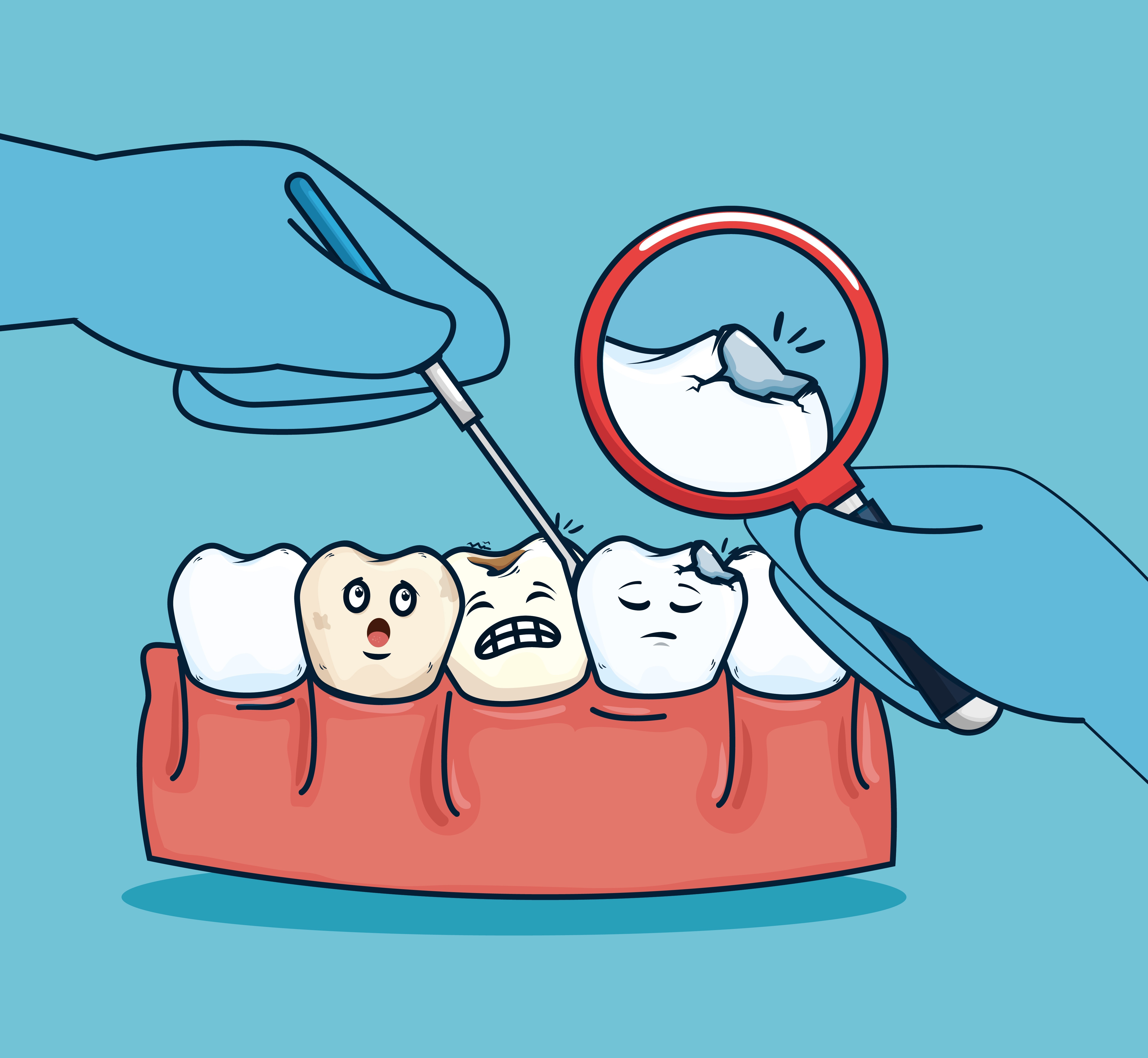
- Tooth decay due to difficulty in cleaning teeth in crowded areas, which allows accumulation of tartar deposits causing decay over time.
- Difficulty cleaning between teeth and using dental floss with increased tartar buildup causing problems such as gum inflammation and bad breath.
- Increased risk of chronic gum diseases such as periodontitis.
- Speech problems, especially if crowding affects the front teeth.
- Uneven wear of surrounding teeth.
- Bite problems and jaw pain especially in severe crowding cases.
- Self-esteem issues due to difficulty smiling confidently among people, especially in severe cases, but with correction of the smile confidence can be restored again.
Latest methods for treating tooth crowding
After we learned together the causes of tooth crowding and the problems it causes, you must want to know the treatment methods. The treating dentist, like in any dental problem, collects necessary information from you such as medical history, dental X-rays, and measurements. All these tools help the dentist choose the optimal solution.
After that, the dentist selects the appropriate solution according to the available information, and modern dental technologies may be used to share final results with the patient before starting treatment stages.
There are many methods for treating tooth crowding depending on the degree of crowding, such as:
- Traditional metal braces: an effective solution for all degrees, can be colored and adjusted.
- Clear aligners (Invisalign): an excellent aesthetic option for adults, removable and does not affect appearance.
- Lingual braces: devices fixed behind the teeth, invisible but require higher technical skill.
- Self-ligating Damon braces: faster systems with less pain, automatically attach wires.
- Surgical jaw expansion: for adults with severe small jaw, expands bone to create sufficient space.
- Digital orthodontic appliances: planned using 3D models for accurate and fast results.
- Extraction of primary teeth that block eruption of permanent teeth to create appropriate space again and reduce crowding.
- Extraction of some teeth to provide better space for teeth to erupt in their correct position.
Typical treatment steps
Initial diagnosis using 3D X-rays and digital scanners and reviewing cleaning habits.
Determining treatment plan (appliance, sessions, whether wisdom teeth extraction is needed or more).
Installing appliances and gradually adjusting pressure to correct alignment.
Periodic follow-ups every 4–6 weeks to adjust movement and guide teeth gradually.
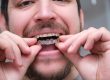
Temporary or permanent retention phase (retainer) to ensure teeth do not return to previous position.
Care during treatment
We always say that treatment begins with patients first; they are partners in the final result of treatment and cooperation is needed in every stage from planning to completion.
For example, orthodontic treatment cannot begin while gums are inflamed. After cleaning teeth and gums from tartar, you must continue oral care using brushing, flossing, and mouthwash.
Also, in case of tooth decay treatment, sugary foods and carbonated drinks must be reduced.
After correcting tooth alignment, to maintain results, oral care must continue as in early stages.
Tartar increases with braces, so orthodontic toothbrushes must be used. After completing treatment and removing braces, the dentist takes measurements to prepare a retainer device that can be removable.
The orthodontist will provide usage instructions which must be strictly followed so teeth do not return to their previous position. Teeth can also be fixed using wires that cannot be removed except by the orthodontist.
Conclusion
If you feel tooth overlap or misalignment in your smile, orthodontics is no longer just a cosmetic option but a health necessity. Without treatment, crowding may lead to complications including decay, gum disease, and loss of confidence. You should contact a dentist to evaluate your condition and create an initial and practical treatment plan that helps you restore a healthy and confident smile.
FAQs
Why is tooth crowding classified as a health problem and not just a cosmetic issue?
Crowding creates very narrow areas where plaque and tartar accumulate, making brushing and flossing almost impossible. Over time, this leads to gum inflammation and bone erosion around teeth. Treating crowding eliminates these bacterial traps and prolongs the life of natural teeth.
Can clear aligners treat severe crowding without metal braces?
Yes, and definitely. Thanks to advanced clear aligner technology, most crowding cases can be treated invisibly. We use 3D digital planning to apply precise forces that move teeth into ideal positions. In some cases, smart attachments are used to allow complex movements.
Does crowding affect tooth wear over time?
Yes. Crowded teeth do not meet properly with the opposing jaw, causing uneven chewing forces and leading to micro-cracks and early wear of tooth edges.
Is it normal for crowding to increase with age?
Yes, this is a natural phenomenon called “anterior drift.” Over time, teeth tend to gradually move forward. If you have mild crowding, it is likely to worsen over time. Early orthodontic intervention is the best solution to stop this movement and maintain a healthy dental arch.