
Cosmetic dentistry, day by day, offers a range of treatments and procedures to improve the appearance of a person’s smile, from teeth whitening and veneers to orthodontics and dental implants. With advances in technology and techniques, cosmetic dentistry has become more accessible and effective than ever, allowing people of all ages to achieve their dream smile.
Whether you have chipped, stained, or misaligned (crooked) teeth, cosmetic dentistry can help improve the appearance of your smile and enhance your overall oral health. By working with a qualified and experienced cosmetic dentist at Wonders dentistry, you can transform your smile and enjoy the many benefits of a healthy, beautiful, and confident smile that reflects the best version of your appearance.
Digital smile design has become a revolution in the world of cosmetic dentistry; it gives you the opportunity to see your future smile before starting treatment. This digital technology gives you greater confidence and helps achieve precise and beautiful results that both the dentist and the patient interact with together.
What is a digital smile?
A digital smile is a computer-generated simulation of a person’s smile. Digital smile design is a process that allows dentists to create a customized treatment plan to improve the appearance of a person’s smile using digital imaging software. The process of creating a digital smile usually involves taking photographs and digital impressions of the person’s teeth and gums using specialized cameras and scanning devices.
The digital images are then uploaded into computer software, where they can be manipulated to show how the teeth and gums will look with various cosmetic dental treatments, such as teeth whitening, dental veneers, orthodontics, or dental implants. Using digital smile design, dentists can show patients the potential results of their treatment plan before performing any actual work, allowing them to make informed and confident decisions about their teeth.
What is digital smile design?
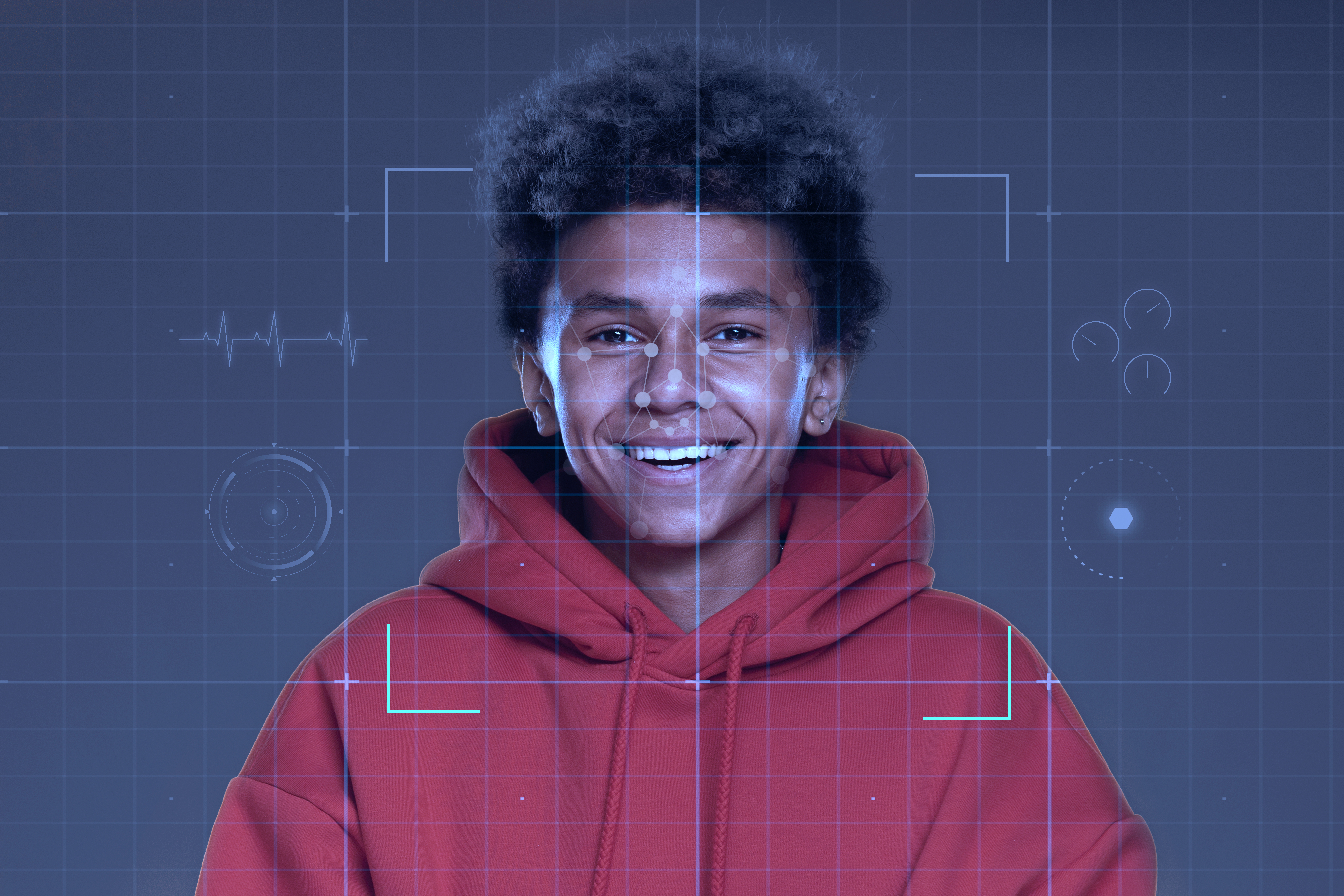
Digital smile design is a process in which the dentist uses advanced 3D software to create a virtual model of your final smile. Your facial features, current alignment, tooth color, and even your lip expressions are analyzed to provide a close preview of the final result before any treatment intervention.
This technique relies on several key components: high-resolution photos and videos of the face, 3D digital scans of the teeth and jaws, precise analysis of the bite, and advanced software to design the final shape. All these elements enable the dentist to create a customized treatment plan that suits your jaw and your smile.
When should you consider digital smile design?
Digital smile design can be a useful tool for anyone looking to improve the appearance of their smile through cosmetic dental treatments. Below are some situations where digital smile design may be particularly useful:
- Multiple cosmetic dental issues: If a person has several cosmetic dental problems, such as chipped or misaligned teeth, digital smile design can help create a customized treatment plan that addresses all these issues at once.
- Uncertainty about treatment options: If a person is unsure which cosmetic dental treatments will be most effective for their needs, digital smile design can provide a preview of the potential outcomes of different treatment options.
- Complete smile transformation: For individuals seeking a complete change in their smile appearance, digital smile design can be an effective tool to visualize the final results and ensure that the treatment plan meets their goals.
Steps of digital smile design
- Consultation: The digital smile design process begins with a consultation with a cosmetic dentist. During the consultation, the dentist will discuss the patient’s dental history, concerns, and smile goals.
- Comprehensive 3D radiographic examination: The dentist begins with CBCT analysis to obtain an accurate view of all parts of the mouth and bone.
- Imaging: The next step is to take photographs and digital impressions of the patient’s teeth and gums using specialized cameras and scanning devices, and then upload these images into computer software.
- Analysis: The digital images are analyzed using specialized software to create a virtual 3D model of the patient’s teeth and gums. The software can be used to modify the model and simulate various cosmetic dental treatments, such as veneers, crowns, dental implants, and orthodontics.
- Occlusion analysis: The way the upper and lower teeth meet is evaluated to ensure optimal balance and even force distribution.
- Digital scan of the teeth: An intraoral scanner is used to record the shape of each tooth accurately, taking into account food residues and gaps between teeth.
- Creating the virtual model: The expected result is displayed in terms of tooth length, size, color, and direction using advanced software.
- Preview: Once the virtual model is created, the dentist can show the patient the potential results of the treatment plan using digital smile design software. This allows the patient to see a preview of their new smile and make any necessary adjustments to the treatment plan.
- Discussing options with the patient: The model is presented to the patient and adjusted according to their preference—such as choosing porcelain veneers, Lumineers, or whitening.
- Treatment plan: Based on the analysis and preview, the dentist can create a customized treatment plan tailored to the patient’s needs and goals. The treatment plan may include one or more cosmetic dental treatments, such as teeth whitening, veneers, dental implants, or orthodontics.
- Treatment: Once the treatment plan is finalized, the actual cosmetic dental treatments can begin. The dentist will use the digital smile design plan as a guide to achieve the desired results.
- Tooth preparation according to the design: The dentist prepares the teeth (light tooth reduction or cleaning and removal of food debris) according to the digital plan.
- Placement of veneers or lenses: Veneers or lenses are fabricated and placed using the same digitally approved dimensions to match the smile.
- Final adjustments: The molars are adjusted in terms of occlusion and final aesthetic touches according to the digital model.
Treatments integrated with digital design
Digital smile design can be combined with many cosmetic treatments for optimal results:
- Porcelain veneers are designed according to the digitally selected shape, enhancing color and appearance.
- Custom-made Lumineers match the digital dimensions exactly and focus only on the outer layer of the teeth.
- Teeth whitening is applied as part of the plan to improve tooth color before placing veneers or lenses.
- Orthodontics—especially clear aligners (Invisalign and others)—can be integrated to achieve proper alignment before the final smile design.
Advantages of digital smile design
Treatment planning: Digital smile design allows dentists to develop a treatment plan tailored to meet the patient’s needs.
Seeing results in advance: The patient can see how their smile will look after treatment, which boosts confidence and reduces concerns.
Participation in decision-making: The ability to view the virtual model enables the patient to choose the most suitable shape and define details such as tooth size or color.
Improved understanding and communication: Digital smile design allows the dentist to communicate more effectively with the patient and explain the treatment plan and expected results in a clear and visual way.
Reduced treatment time: Since the dentist sees the final design in advance, it reduces adjustments in later stages and shortens the number of visits.
More precise treatment planning: Digital smile design enables more accurate planning, ensuring cosmetic dental treatments are performed in a way that maximizes aesthetic benefits while minimizing potential risks or complications.
Accuracy up to 0.1 mm: Digital software provides extremely precise design down to about one-tenth of a millimeter, ensuring perfect harmony of the teeth within the mouth.
Ability to modify the design instantly: If the patient wants to change the shape or color of a tooth, the digital model can be adjusted immediately before starting treatment.
Saving results for comparison: The digital version is saved for tracking before and after results, enhancing confidence in the quality of work performed.
Disadvantages of digital smile design
1- Cost: Digital smile design can be more expensive than traditional cosmetic dental treatments
2- Equipment limitations: Digital smile design requires specialized imaging technology and computer software, which may not be available in all dental clinics.
How many sessions does digital design require?
Typically, the process ranges between 4 to 6 sessions: an examination and digital scanning session, a design discussion and approval session, a tooth preparation session, a veneer or lens placement session, and possibly a follow-up session for minor adjustments. Of course, it can be shortened or extended depending on each patient’s case.
What is the difference between it and traditional methods?
Traditional methods relied on taking physical impressions of the teeth and manual adjustments that were less precise, with less predictable results compared to digital design. Meanwhile, digital design:
- Provides a clear visualization of results before starting treatment.
- Reduces errors and unexpected changes during treatment.
- Saves time and effort for both the dentist and the patient.
- Achieves greater satisfaction thanks to patient involvement in decision-making.
What is the difference between digital smile design and Hollywood Smile?
Digital smile design, as discussed earlier, uses advanced 3D imaging technology, computer software, and video to create a customized treatment plan that improves the overall appearance of a person’s smile in harmony with skin tone, forehead, and lips in a precise digital way.
The treatment plan may include one or more cosmetic dental procedures to achieve the desired results. In contrast, Hollywood Smile is a specific type of cosmetic dental treatment designed to achieve a bright, perfectly white smile similar to that of Hollywood actors and actresses.
Hollywood Smile typically involves the use of dental veneers, which are thin shells made of porcelain or composite material that are bonded to the front surfaces of the teeth to improve their appearance. Veneers can be customized according to the color, shape, and size desired by the patient to achieve beautiful smiles.
Conclusion
Using digital smile design, cosmetic dentistry combines technical precision with a personal touch, creating a comprehensive treatment plan that considers your aesthetic and functional preferences. If you dream of a beautiful, customized, and unique smile that suits you perfectly, this technology offers exactly what you are looking for. Book an appointment with your dentist to try it and get ready to see your future smile before starting treatment.
FAQs
What is the “Smile Test Drive” technique?
The “Smile Test Drive” is considered the most revolutionary part of digital smile design. After performing a digital scan of your face and teeth, a temporary 3D model of your new smile is printed. You can actually wear this model inside your mouth to see how it looks in the mirror and feel it while speaking or laughing. This ensures 100% satisfaction with the design before making any permanent changes to your teeth.
What is the difference between digital smile design and traditional cosmetic images?
Traditional images are just 2D edits (Photoshop) of tooth appearance. Digital smile design (DSD), on the other hand, is a 3D engineering plan; it integrates your facial movements, lip lines, and even personality traits into a complete digital blueprint. This plan guides the entire treatment—whether whitening, gum contouring, or veneers—ensuring every specialist at Wonders dentistry works toward the same precise goal.
Is digital smile design limited to Hollywood Smile and veneers only?
Not at all. Although it is ideal for premium veneers, we use DSD for everything—from simple cosmetic fillings to full dental implants. Digital design helps us determine the ideal position of teeth to improve speech articulation and chewing function, not just aesthetics. It is a tool for “functional beauty.”
Does the digital design process take a long time?
The digital planning phase is very fast. During your first consultation at Wonders dentistry, we take high-resolution photos and a 3D digital scan of the mouth. Our AI-powered software can generate an initial design during the same visit, allowing us to discuss your transformation plan immediately without the need for uncomfortable traditional impressions.