

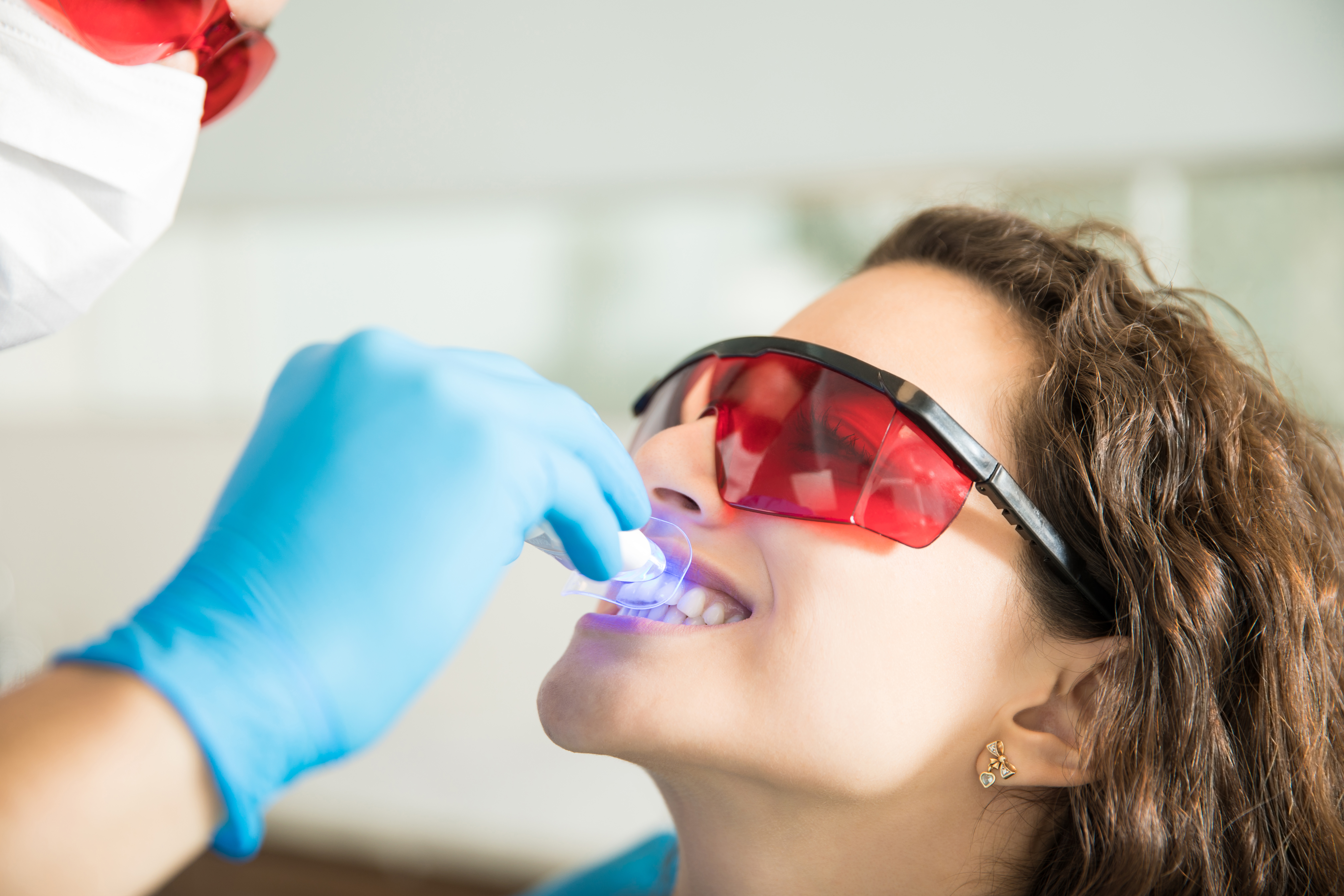
Tooth sensitivity is a sharp and transient pain or a feeling of discomfort when the teeth are exposed to certain stimuli such as hot or cold temperatures, acidic or sweet foods and drinks, or even basic actions like brushing teeth. In this condition, the dentin (a sensitive layer beneath the tooth enamel) becomes exposed, allowing external stimuli to reach the nerve endings inside the tooth.
There are different ways to treat tooth sensitivity such as using white dental fillings, applying bonding material only in sensitive areas, using desensitizing toothpastes, and others. But in this article, we want to know whether we can whiten teeth while experiencing sensitivity or not? Before that, let us briefly explain what tooth discoloration is that requires whitening.
Tooth discoloration is a change in the color of the teeth or staining with colors other than the natural white of the tooth. Factors such as age, genetics, dietary habits, tobacco use, and certain medications can contribute to staining and gradual yellowing of the teeth. Therefore, the desire to achieve a whiter smile has led to the development of many teeth whitening techniques.
Many people suffer from tooth sensitivity, which significantly affects the teeth whitening experience. Between the desire to achieve a brighter smile and the fear of pain resulting from whitening treatments, finding safe solutions becomes essential. In this article, we comprehensively review everything related to “sensitive teeth whitening,” starting from the causes of sensitivity to the latest safe whitening methods, to help you make a sound decision with the help of your dentist.
Understanding tooth sensitivity and its relation to whitening
Tooth sensitivity is an abnormal pain response that occurs when teeth come into contact with external stimuli such as hot or cold foods or drinks, or even exposure to air. This condition is often associated with exposure of the dentin layer due to enamel erosion or gum recession. When teeth whitening is performed, especially with chemical methods that rely on substances like hydrogen peroxide, this sensitivity may increase.
Causes of tooth sensitivity
1. Gum recession:
Gum recession occurs when the gum tissue pulls away from the surface of the tooth, leading to exposure of the tooth roots that are not covered by enamel, making them more sensitive to external factors such as heat, cold, or sweets. This exposure is often caused by:
- Using a hard toothbrush or aggressive brushing technique.
- Chronic gum diseases (such as gingivitis or periodontitis).
- Accumulation of tartar that pushes the gums to recede.
2. Enamel erosion:
Tooth enamel is the hard layer that protects the tooth, but it may wear down over time due to:
- Frequent consumption of acidic drinks (such as soda and citrus juices).
- Excessive use of strong whitening products.
- Brushing teeth immediately after eating, especially after acidic foods.
- Teeth grinding (night grinding or clenching).
With enamel erosion, the dentin becomes exposed, increasing tooth sensitivity.
3. Micro-cracks in teeth:
These tiny cracks occur due to mechanical factors such as:
- Biting on hard objects (like ice or pens).
- Dental trauma.
- Excessive use of unsuitable whitening materials.
These cracks, even if invisible, allow heat or cold to reach the tooth pulp, causing sensitivity.
4. Tooth decay:
Tooth decay is one of the direct causes of tooth sensitivity, especially when it reaches the dentin layer or approaches the pulp. In this case, sensitivity increases and may sometimes turn into continuous pain, and a dentist should be consulted immediately.
5. Incomplete or damaged dental treatments:
Such as old or worn fillings that allow bacteria or air to leak into the tooth, or that expose dentin if they detach from the tooth wall.
6. Genetic factors:
Some people may be born with thinner enamel than usual, making them more prone to sensitivity even without clear external causes.
How does whitening affect sensitivity?
Effect of whitening materials on exposed dentin: When whitening materials containing hydrogen peroxide are used, they may penetrate the enamel and reach the dentin layer, causing irritation to nerve endings.
Temporary increase in sensitivity after whitening: It is common to feel a temporary increase in tooth sensitivity after whitening, especially when using techniques not designed for sensitive teeth.
Latest sensitive teeth whitening techniques
At-home whitening for sensitive teeth:
These contain hydrogen peroxide or carbamide peroxide in a tray specially designed to be placed on the teeth. Different whitening brands offer different concentrations of hydrogen peroxide and carbamide peroxide. Therefore, it is best to consult your dentist first.
At-home whitening kits provide more short-term benefits than long-term ones due to the lower concentration of hydrogen peroxide. Moreover, they are not effective on dark stains or severe discoloration, and it may take weeks or sometimes even months for results to appear properly.
Below are methods for at-home teeth whitening:
- Whitening strips: Ready-to-use whitening strips are best if you want short-term whitening effects. Although they are easy to use and accessible, they do not work well on severe dark stains. They contain very low concentrations of hydrogen peroxide or carbamide peroxide.
- Whitening pens: This product also contains a low concentration of hydrogen peroxide or carbamide peroxide. The only difference is that it comes in a pen form with a brush.
- Whitening toothpaste: People with sensitive teeth should avoid toothpaste containing peroxide because it may irritate the gums and cause hypersensitivity. Silica is a safer ingredient for people with sensitive teeth because it does not cause irritation and helps improve tooth color. Today, specialized types of toothpaste are available that contain gentle materials to whiten sensitive teeth without affecting enamel and help reduce sensitivity during use.
- Low-concentration whitening trays: It is preferable to use lower concentrations of hydrogen peroxide in home trays, which are worn for short periods under dentist supervision.
Safe in-clinic techniques:
The most common and fastest-acting whitening type is in-clinic whitening. Among the different types, this method is more suitable for people with intrinsic stains and deep discoloration.
This method uses hydrogen peroxide or carbamide peroxide, with concentrations ranging from 15% to 40% in dental clinics. Although it is the strongest available treatment, it is the safest, as it is performed by a professional once or twice a year only.
Below are methods used by dentists for whitening in their clinics:
- Gel method without blue light activation, where the material activates chemically upon application to the tooth.
- Gel whitening with laser assistance.
- Gentle laser whitening: relies on activating whitening materials using low-energy laser, allowing reduction of the whitening agent concentration while maintaining effectiveness and reducing irritation.
- Cold plasma technology: this technique uses plasma to activate the whitening gel in a safer and gentler way on sensitive teeth.
It provides fast results and is a relatively short procedure, and its popularity is increasing because it uses the latest technologies.
Modern innovations:
- Fluoride-enhanced whitening gel: helps strengthen enamel during the whitening process, reducing the risk of sensitivity.
- Nanotechnology systems: allow controlled gradual release of the whitening agent, preventing irritation and maintaining patient comfort.
Before starting any whitening procedure, it is essential to consult a dentist. They will evaluate the overall health of your teeth and gums, identify potential risk factors, and guide the most suitable whitening method for your needs. Your dentist may recommend in-clinic whitening or at-home tools.
Options to reduce risks during sensitive teeth whitening
1- Gradual whitening: Gradual whitening is an effective strategy to avoid sensitivity. Instead of choosing intense or high-concentration treatments, consider using milder formulations or lower concentrations of whitening agents, which reduces the likelihood of sensitivity.
2- Desensitizing toothpaste: Using desensitizing toothpaste is a simple yet effective way to prepare your teeth before whitening. These formulations contain ingredients such as potassium nitrate or fluoride, which help soothe nerve endings and strengthen enamel.
3- Extending whitening sessions: Instead of short, intensive sessions, consider extending the duration of whitening treatments.
4- Use whitening trays correctly: If you choose at-home tray whitening, it is essential to use them properly to prevent sensitivity. Overfilling trays with whitening gel may cause contact with gums, leading to irritation and sensitivity. Follow your dentist’s instructions carefully.
5- Take breaks between whitening sessions: Allowing your teeth to rest between sessions can provide relief and reduce sensitivity risk. If you notice signs of increased sensitivity or discomfort during whitening, take a break for a few days or adjust the frequency of treatment. This gives your teeth time to recover and adapt, ensuring a more comfortable experience overall.
6- Maintain good oral hygiene: To reduce sensitivity, practicing good oral hygiene habits is essential during whitening. Brush gently with a soft-bristled toothbrush, floss regularly, and rinse with fluoride mouthwash.
Steps to prepare sensitive teeth before whitening
Identify causes of sensitivity:
The dentist must perform a careful evaluation to determine the source of sensitivity before starting any whitening procedure.
Evaluate enamel thickness:
The thicker the enamel layer, the more capable the teeth are of tolerating whitening, so this factor must be considered.
Safe whitening protocol for sensitive cases
In the clinic:
- Reduce session time: It is recommended to reduce exposure time to whitening agents to avoid irritation of dental nerves.
- Use dentin barriers: Applied to the gums and tooth margins to prevent whitening materials from leaking into sensitive areas.
At home:
- Gradual whitening system: involves using low concentrations of gel for short periods and then increasing them gradually according to tooth response.
- Safe frequency: Avoid repeated use without consulting a dentist to prevent worsening sensitivity.
Post-whitening care tips
- Avoid staining substances: During the first 48 hours after whitening treatment, it is recommended to avoid consuming or using substances that may stain your teeth. This includes coffee, tea, tobacco, and colored foods and drinks.
- Maintain oral hygiene: Keep a consistent and thorough oral hygiene routine. Brush your teeth at least twice daily using a soft toothbrush and fluoride toothpaste.
- Use desensitizing products: Tooth sensitivity is a common side effect of sensitive teeth whitening. If you experience sensitivity, consider using desensitizing toothpaste.
- Avoid acidic or abrasive products: Acidic and abrasive materials can weaken enamel and lead to sensitivity.
- Maintain regular dental checkups.
- Follow a balanced diet rich in fruits, vegetables, and dairy products, as these foods provide essential nutrients to maintain strong and healthy teeth.
How long do whitening results last for sensitive teeth?
Whitening results for sensitive teeth usually last from 6 months to a year, depending on diet and daily habits. Results can be maintained for as long as possible through regular brushing and follow-up visits with the dentist.
Can whitening be done with fillings?
Yes, teeth whitening can be performed with fillings present, but it should be noted that fillings do not change color like natural teeth. Therefore, they may need to be replaced after whitening to match the new tooth color.
What are safe alternatives to chemical whitening?
Common alternatives for sensitive teeth whitening include:
- Dental veneers: cover the tooth surface and provide a bright appearance without the need for whitening.
- Micro-abrasion whitening: removes superficial layers of the teeth without causing sensitivity.
How to choose toothpaste after whitening?
Choose a toothpaste designed for sensitive teeth containing potassium nitrate or potassium citrate, which are effective in reducing pain. It is preferable that it is free from abrasive materials and maintains tooth color without weakening enamel.
Final thoughts
Sensitive teeth whitening is no longer impossible. With advancements in whitening techniques and the availability of safe options, you can now enjoy a brighter smile without pain. It is important to consult a dentist to determine the most suitable method for you and follow post-whitening instructions to maintain oral health and natural tooth color.
Your dentist can analyze the overall health of your teeth and mouth through regular dental checkups.
Do not forget the importance of visiting your dentist regularly, especially every 6 months, to monitor your oral health and determine if you need early treatment for cavities causing sensitivity or if there are other causes such as enamel erosion due to acidic drinks or gum recession, to address these issues early.
Restore your smile with confidence… take your first steps with us at Wonders dentistry. Book your consultation now.
FAQs
Can I whiten my teeth while I already have sensitivity to cold drinks?
Yes, absolutely. Modern protocols at Wonders dentistry rely on “pre-conditioning” the teeth using potassium nitrate materials before starting. We also use Bio-Active whitening materials containing nano-hydroxyapatite, which helps seal microscopic pores in enamel during stain removal, treating sensitivity and whitening teeth at the same time.
Is LED cold light technology safer for sensitive teeth than laser?
In general, yes. LED technology uses cold light to activate the whitening gel without generating heat, unlike traditional laser, which may raise the temperature of the tooth nerve and cause sudden pain. Our technique relies on “cold light activation,” which accelerates the whitening chemical reaction while protecting delicate dental nerves from thermal stress.
What is the “nano-hydroxyapatite” trend in whitening?
Nano-hydroxyapatite (n-HAp) is a revolutionary mineral that mimics the natural composition of your enamel. Instead of just removing stains, whitening materials enhanced with this mineral deposit a new layer that replaces lost minerals. This gives you a smoother, shinier surface and seals micro-cracks that cause pain. It is the new gold standard for what we call “therapeutic whitening.”
How can I maintain white teeth at home without pain?
We recommend a “slow and gentle” approach. We provide custom trays fitted to your teeth with low-concentration carbamide peroxide gel, which releases oxygen slowly and gently compared to fast commercial strips. Combined with remineralizing toothpaste prescribed for nighttime use, you can maintain a bright smile and strong enamel without discomfort.