

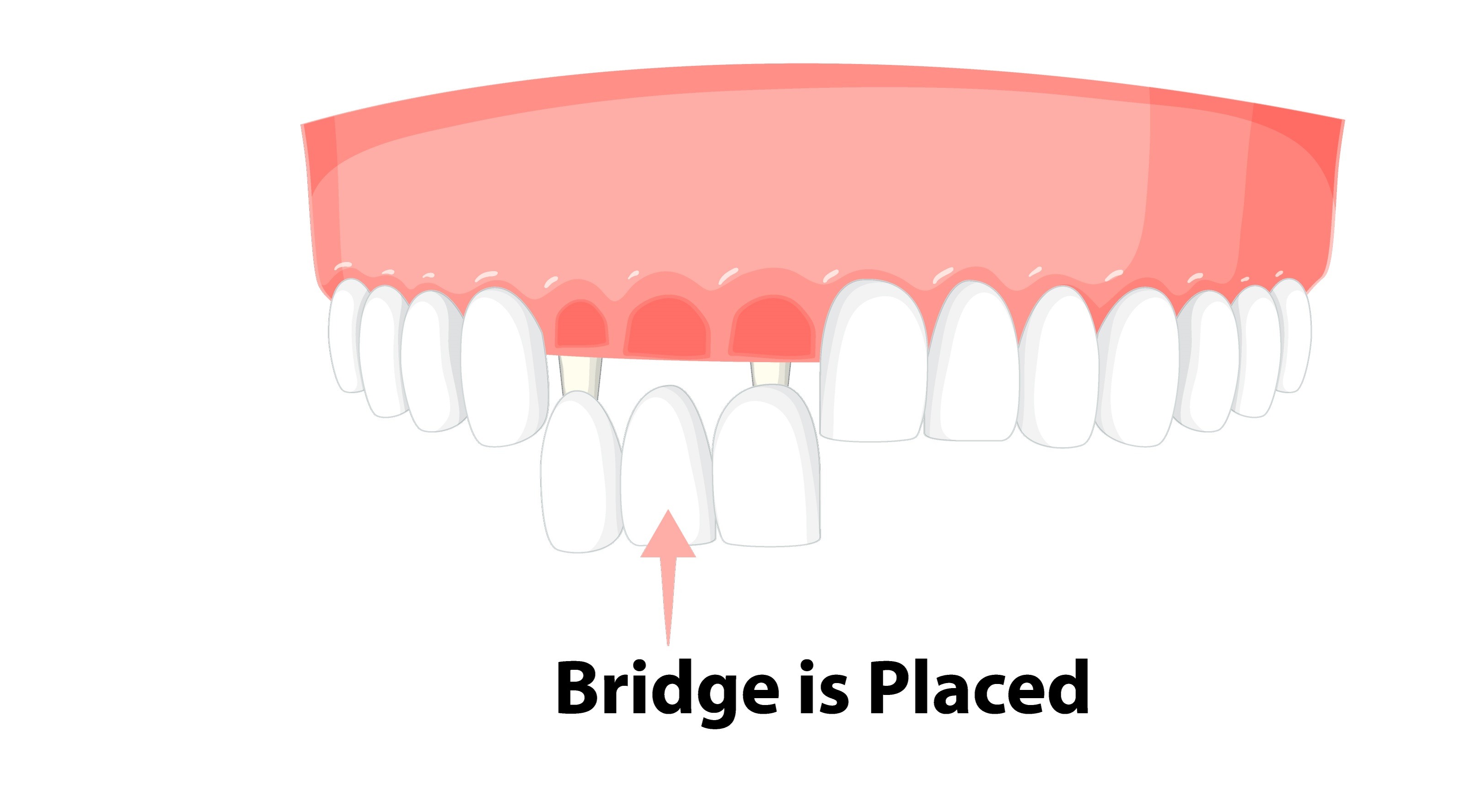
Dental restoration is a branch of dentistry concerned with repairing, replacing, and restoring the function and appearance of damaged or missing teeth from the mouth. Dental restoration is an essential part of cosmetic dentistry, as it contributes to improving the appearance of teeth, the patient’s smile, and their self-confidence. Neglecting appropriate dental restorations can lead to more serious health problems and worsening of the condition of natural teeth and the mouth.
Dental restoration procedures include several branches of dentistry such as: cavity restoration (dental fillings), removable dental prostheses, dental crowns and bridges, root canal treatment, dental implants, gum treatment, and cosmetic dentistry. Different materials are used in dental restoration such as composite (resin), and in the case of traditional dental bridges, ceramics or metals such as gold and stainless steel and other materials are used.
Temporary dental bridges are among the common solutions that dentists resort to when a tooth is lost, with the aim of temporarily restoring the natural appearance of the teeth until the permanent bridge is prepared or dental implants are completed. A temporary dental bridge is placed to fill the gap resulting from missing teeth, prevent adjacent teeth from shifting, and maintain jaw and muscle alignment. This type of dental prosthesis also helps facilitate eating and speaking normally during the transitional treatment period.
What are temporary dental bridges?
Temporary dental bridges are non-permanent dental restorations that are fixed in the mouth to replace missing teeth for a temporary period of time. They are designed from lightweight materials such as acrylic or metal, and the dentist fixes them onto the remaining teeth or prepared teeth temporarily until the final dental bridge is placed or another treatment plan such as dental implants is carried out. These bridges are usually used after tooth preparation, during healing from surgery, or before placing a permanent bridge.
It is a procedure we resort to when we intend to create a permanent bridge, where it is placed to replace the gap of one or more missing teeth or molars and to protect the adjacent teeth that have been prepared to receive the permanent bridge until it is manufactured in the dental lab. The temporary bridge is considered a short-term solution to maintain the aesthetics and function of the teeth and the existing gap during the fabrication of the permanent bridge. The temporary dental bridge is colored to match the adjacent teeth in white.
The temporary bridge is cemented using temporary cement for easy removal when placing the permanent bridge. There are many reasons that make a temporary dental bridge necessary, as it helps maintain spacing by preventing adjacent teeth from moving or drifting into the empty space. It also helps maintain speech if the bridge is anterior, preserves chewing, and restores the natural appearance of the smile.
It is important to note that a temporary dental bridge is not a long-term solution, as it is designed to be worn for a few weeks or months until the permanent bridge restoration is ready. During this time, the patient may need to follow certain precautions, such as avoiding sticky or hard foods, to prevent damage to the temporary bridge (see instructions and guidelines at the end of the article).
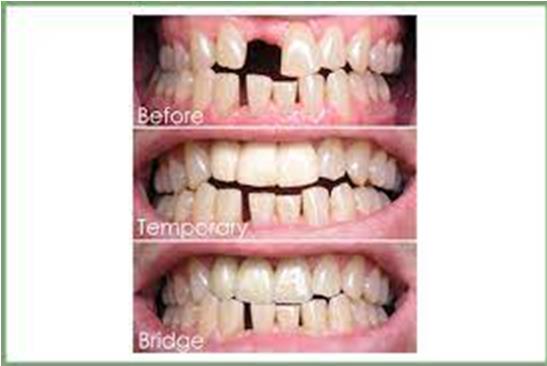
Reasons for using temporary dental bridges during dental restoration
- Maintaining aesthetic appearance: the temporary bridge is made of tooth-colored materials such as composite resin.
- Protecting adjacent teeth to the gap: a temporary dental bridge can help protect adjacent teeth from wear or damage, as the gap resulting from missing teeth may leave remaining teeth prone to food accumulation and thus plaque and tooth decay.
- Stabilizing the position of adjacent teeth: a temporary dental bridge helps prevent adjacent teeth from shifting or changing position.
- Facilitating basic oral functions: a temporary dental bridge helps restore speech and chewing functions.
Types of temporary dental bridges
Temporary dental bridges are available in different shapes and materials, and the dentist chooses the appropriate type based on the patient’s condition and treatment plan.
- Acrylic bridges: one of the most common types, lightweight and easy to shape and adjust, often used for short periods. They improve tooth appearance quickly but may not be as strong and durable as other types.
- Temporary metal bridges: made of lightweight metals and usually used in cases requiring greater support during the treatment period, and they are more resistant to fracture than acrylic bridges.
- Resin-bonded bridges (Maryland): this type is used when a temporary bridge is needed without extensive preparation of adjacent teeth, relying on bonding metal wings to the back of adjacent natural teeth.
How long do temporary dental bridges last?
The duration of using temporary dental bridges varies and depends on several factors, such as the condition of the teeth and the treatment plan. Temporary dental bridges are usually used for a temporary period ranging from a few days to a maximum of two weeks.
Steps for placing temporary dental bridges
The process of placing a temporary dental bridge goes through several sequential stages, starting with tooth preparation and ending with placing the bridge inside the mouth:
- Preparing the supporting teeth: the dentist reshapes or adjusts the teeth adjacent to the missing tooth so they can support the temporary bridge.
- Taking jaw impressions: an accurate impression of the prepared teeth and jaw is taken using special impression material to design the bridge in harmony with natural teeth.
- Fabricating the temporary bridge: the dentist uses the molds made from impressions to produce the custom temporary dental bridge.
- Placing the temporary bridge in the same visit: the temporary bridge is often placed in the same session after preparation, or in a later visit after lab fabrication, where it is fixed with temporary cement for easy removal later, and it is tried on the prepared teeth to ensure proper fit.
- Recovery and post-placement instructions: the patient is advised to avoid hard or sticky foods and maintain daily hygiene to ensure the bridge stays in place without problems.
Advantages of temporary dental bridges
Temporary dental bridges provide several benefits for the patient during the treatment period, including:
- Maintaining the natural appearance of teeth.
- Preventing adjacent teeth from moving toward the missing tooth space.
- They also help improve speech and facilitate eating, and prevent sensitivity in prepared teeth due to exposure to air or cold foods.
- In addition, they allow the dentist to evaluate the function and shape of the bridge before implementing the permanent version.
- Filling the gap: they fill the space next to natural teeth that will support the fixed prosthesis (final bridge), solving aesthetic problems resulting from missing one or more teeth.
- Maintaining the position of adjacent teeth: temporary dental bridges help maintain proper positioning of adjacent teeth.
- Facilitating chewing: temporary bridges allow eating soft or moderate foods, providing comfort during chewing.
Disadvantages of temporary dental bridges
Despite their benefits, temporary bridges have some limitations. They are less durable compared to permanent bridges and may break or detach if not properly cared for. Prolonged use without follow-up may lead to bacterial accumulation or bad odor, especially with poor hygiene. They may also not provide the same level of stability as fixed solutions like dental implants.
Tips for caring for temporary dental bridges
To ensure the effectiveness and longevity of a temporary dental bridge, some important guidelines should be followed, such as brushing teeth twice daily with fluoride toothpaste and using dental floss carefully around the temporary bridge area. It is preferable to avoid hard or tough foods that may break or dislodge the bridge, and regular dental visits are necessary to monitor the condition and ensure the restoration is intact.
There are some potential disadvantages of temporary dental bridges, including:
- Durability issues: temporary dental bridges are usually made of temporary materials that are less durable and strong compared to those used in permanent bridges, making them more prone to fracture under strong forces, unlike permanent bridges such as metal or zirconia types that provide high strength during biting.
- Susceptibility to contamination: they can easily be contaminated with bacteria and food debris, which may cause gum inflammation or bad breath if proper oral hygiene is not maintained or if used for too long.
- Dietary restrictions: you may need to avoid hard, sticky, or even very soft foods while using a temporary bridge.
How long does a temporary dental bridge stay?
A temporary bridge usually remains in the mouth for a period ranging from two weeks to three months, depending on the treatment plan and oral condition. It is placed temporarily until the permanent bridge is ready or a dental implant is completed, and it should not be relied upon for longer than the period specified by the dentist, as this may lead to gum or supporting tooth problems.
Steps for removing temporary dental bridges
- Anesthetizing the mouth: before removing the temporary bridge, the dentist may numb the area using local anesthesia to avoid any pain during removal.
- Removing the temporary bridge: special tools are used to lift the bridge carefully to avoid damaging adjacent or prepared teeth.
- Removing adhesive materials: since the temporary bridge relies on cement, special tools are used to gently remove it.
- Cleaning: after removal, the dentist cleans the area and evaluates adjacent teeth and gums. Additional cleaning may be needed before placing the permanent bridge.
Can a temporary dental bridge be repaired if broken?
If the temporary bridge breaks or becomes loose, the dentist can repair or replace it. It is not recommended to fix it at home or ignore the issue, as this may cause further damage to adjacent or prepared teeth. You should visit the dentist immediately for proper evaluation and management.
Do temporary dental bridges cause bad odor?
A bad odor may come from a temporary bridge if it is not cleaned properly or if food debris or bacteria accumulate around it. This can be avoided by maintaining regular oral hygiene, using a suitable mouthwash, avoiding habits that increase plaque buildup, and visiting the dentist if the odor persists.
Alternatives to temporary dental bridges
In some cases, temporary dental bridges may not be the best option, and alternatives include:
- Immediate dental implants: a permanent and more stable option where the implant is placed in the same session or shortly after extraction, considered an advanced solution for replacing missing teeth.
- Temporary partial denture: used to replace more than one missing tooth, removable and easy to clean, suitable for patients who do not want a fixed temporary bridge.
Tips for caring for temporary dental bridges
- Maintain oral hygiene: gently clean the temporary bridge using a soft toothbrush after each meal. Make sure to clean the front, back, and top surfaces of the bridge and adjacent teeth.
- Avoid excessive pressure: try to avoid placing excessive pressure on the temporary bridge and avoid sticky or hard foods that may damage it. Also avoid bad habits such as nail biting or opening packages with your teeth.
- Protection during sleep: if you suffer from teeth grinding (bruxism), it may be necessary to wear a night guard during sleep.
- Maintain follow-up appointments: regular visits to the dentist are recommended to check and evaluate the temporary dental bridge.
Final thoughts
Ultimately, the goal of temporary dental bridges is to provide a temporary solution for the patient until the permanent bridge is prepared.
A temporary dental bridge is designed to withstand pressure and basic functions such as chewing, speech, and aesthetics, but it may not have the same durability and appearance as permanent bridges, which makes it not a final solution as some patients may think.
It is important to properly care for and maintain the temporary dental bridge during its use. Sticky or hard foods that may damage it should be avoided. Teeth should also be cleaned properly and oral care instructions followed to prevent complications during the wearing period.
Temporary dental bridges are an essential transitional step in replacing missing teeth, helping maintain oral balance, improve appearance, and allow the patient to carry out daily life comfortably until the permanent bridge or implant is completed. It is essential to follow care instructions and maintain regular dental visits to ensure effectiveness and avoid potential issues. If you are considering a temporary bridge, consult your dentist to determine the most suitable option and treatment plan.
Restore your smile with confidence… take your first steps with us at Wonders dentistry. Book your consultation now.
FAQs
Why do I need a temporary dental bridge if I will get a permanent one soon?
A temporary bridge is not just a cover, but a “diagnostic model.” It protects prepared teeth from sensitivity and bacteria, prevents adjacent teeth from shifting (which could ruin the fit of the final bridge), and most importantly acts as a “blueprint” allowing you to “test” the shape and chewing function. If you like the temporary design, it can be digitally scanned and precisely replicated in the final bridge.
Can I eat normally with a temporary dental bridge?
You can eat, but with smart caution. Temporary bridges are made of acrylic or resin and are not as strong as zirconia or final porcelain. It is advised to avoid sticky foods (like caramel) that may pull the bridge out of place, or very hard foods (like nuts) that may break it. Consider it a “soft diet phase” to allow your gums to heal before final placement.
What should I do if my temporary dental bridge falls out suddenly?
There is no need to panic, but you should act quickly. Teeth can shift within 24 hours. If the bridge falls out, clean it, place a small amount of toothpaste or denture adhesive inside, then gently reposition it. After that, contact Wonders dentistry immediately. Professional recementation is necessary to prevent gum overgrowth over prepared teeth.
How long do modern temporary dental bridges last?
Unlike fragile temporary bridges in the past, modern digital (CAD/CAM) temporary bridges designed at Wonders dentistry can last for several months if needed. This is especially useful for patients undergoing full mouth rehabilitation or waiting for gum healing after extraction. They are polished, stain-resistant, and strong enough to maintain your social appearance and confidence until final placement.